The ongoing conflict in the Middle East escalated dramatically as US and Israeli forces launched coordinated attacks on Iran, resulting in the assassination of Iran’s Supreme Leader, Ayatollah Ali Khamenei. This unprecedented strike on the highest level of Iranian leadership has sent shockwaves through the region and beyond.
The operation, reportedly carried out in the early hours of the second day, targeted critical military and intelligence facilities, aiming to disrupt Iran’s command structure. The successful elimination of Khamenei marks a significant and highly provocative development, sending a clear message about US and Israeli intentions to curb Iran’s influence and nuclear ambitions.
In response, Iran has immediately launched a series of retaliatory missile and drone attacks targeting military bases and strategic sites in both Iraq and Israel. The Iranian Revolutionary Guard Corps (IRGC) claimed responsibility for these attacks, stating they are a direct response to the killing of their supreme leader and an assertion of Iran’s resolve not to be intimidated.
These hostilities have pushed the already fragile Middle East region closer to open warfare, raising concerns among global powers about the potential for wider conflict. Neighboring countries have braced for fallout, with many calling for restraint while preparing for possible humanitarian emergencies.
International reactions have varied, with the United Nations and European Union urging both sides to de-escalate tensions and return to diplomatic negotiations. Meanwhile, the US has defended its actions as necessary to prevent further destabilization caused by Iran’s regional activities and alleged development of nuclear weapons.
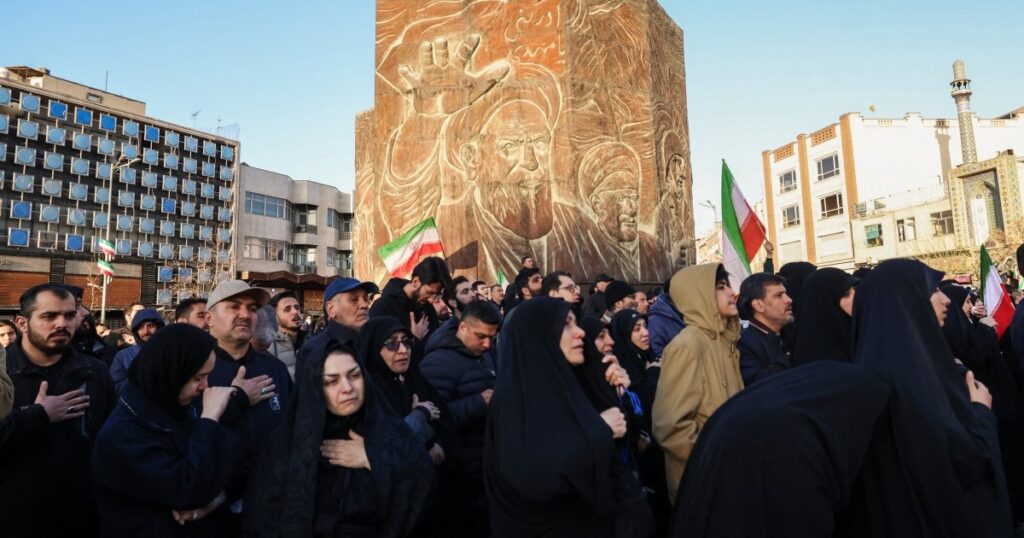
The killing of Khamenei, a figure who has held Iranian leadership for over three decades, creates a significant power vacuum and uncertainty about Iran’s future political landscape. Analysts speculate on the possible successors and the direction Iran’s foreign policy might take in the weeks to come.
This crisis highlights the fragile state of international relations in the Middle East, where long-standing grievances, regional rivalries, and global strategic interests intersect. The coming days will be critical in determining whether the situation spirals into a broader conflict or if diplomatic efforts can restore some measure of peace.
As Iran intensifies its military response, civilians in affected areas endure the immediate dangers of escalating violence, with reports of casualties and infrastructure damage emerging. Humanitarian organizations are mobilizing to provide aid and call for protections of civilian lives amid the hostilities.
The international community watches closely, aware that the outcomes of this confrontation will not only shape regional dynamics but also have profound implications for global security and energy markets.
In summary, the US and Israel’s calculated attacks culminating in the death of Ayatollah Khamenei have ignited a new, dangerous chapter of conflict with Iran’s retaliatory strikes marking the beginning of an uncertain and volatile phase. The world stands at a crossroads, hoping for resolution but preparing for prolonged tension and instability.