In a recent and alarming escalation in regional tensions, Qatar has reported injuries to 16 individuals due to missile debris following a barrage launched by Iran. This development marks a serious incident impacting civilian safety amid ongoing conflicts.
According to an official statement from Qatar’s Interior Ministry, Iran fired a total of 66 missiles, a significant number indicating the scale and intensity of the attack. The missile barrage has caused extensive concern, given the potential for widespread damage.
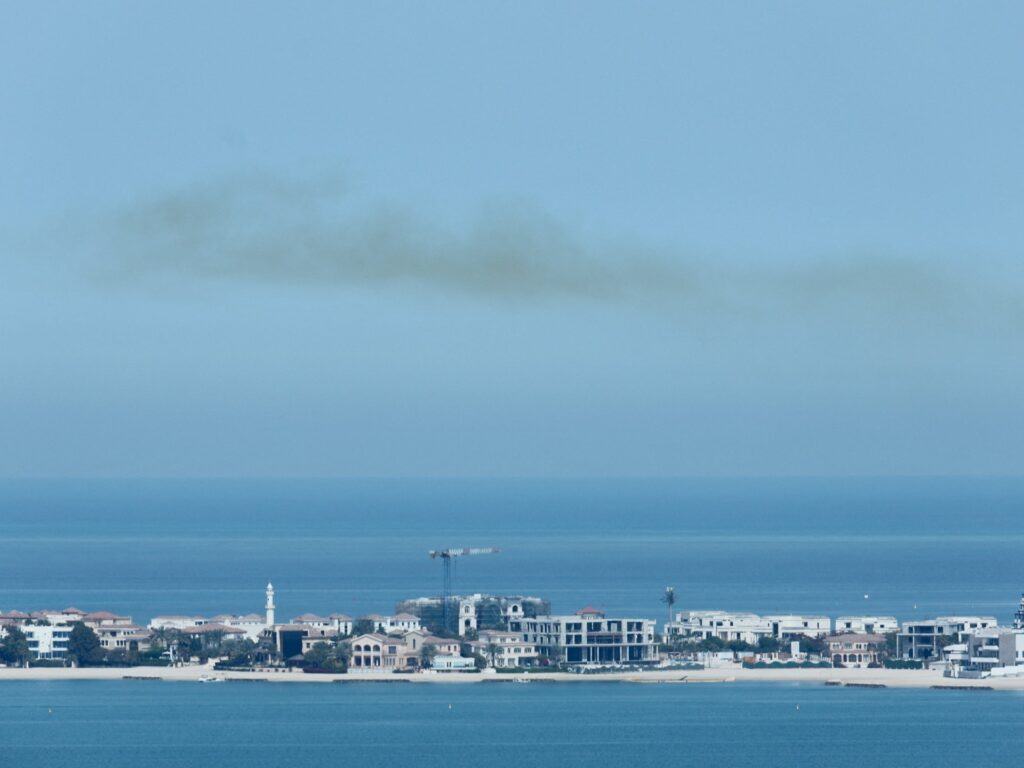
The Interior Ministry further revealed that there were 114 reports of falling shrapnel across various locations within Qatar. The debris from these missiles has led to injuries, underscoring the risks posed to civilian populations in conflict zones, even those indirect to the primary targets of the attacks.
Emergency services in Qatar responded swiftly to the situation, providing medical care to the 16 injured individuals. Authorities are continuing to assess the full extent of the damage and the ongoing risks from unexploded ordinance or secondary explosions.
The incident has raised international attention and condemnation as it highlights the dangerous spillover effects of military aggression in a densely populated region. Qatar, a key player in regional diplomacy and stability, now faces the challenge of managing the aftermath of an attack that threatens its security and the wellbeing of its citizens.
Analysts suggest that the missile attack may be part of broader geopolitical dynamics involving Iran and its regional interests. The use of such a large number of missiles points to increased hostility and a potential escalation in military confrontations.
International bodies and neighboring countries have called for restraint and dialogue to prevent further violence and to protect innocent lives in the region. The attack on Qatar serves as a stark reminder of the human cost of conflicts and the urgent need for diplomatic solutions.
In conclusion, the missile debris injuries in Qatar reflect the wider complexities of Middle Eastern conflicts, where the repercussions of military actions extend beyond direct combatants to impact civilians. The situation remains fluid, with ongoing investigations and efforts aimed at preventing similar incidents in the future.