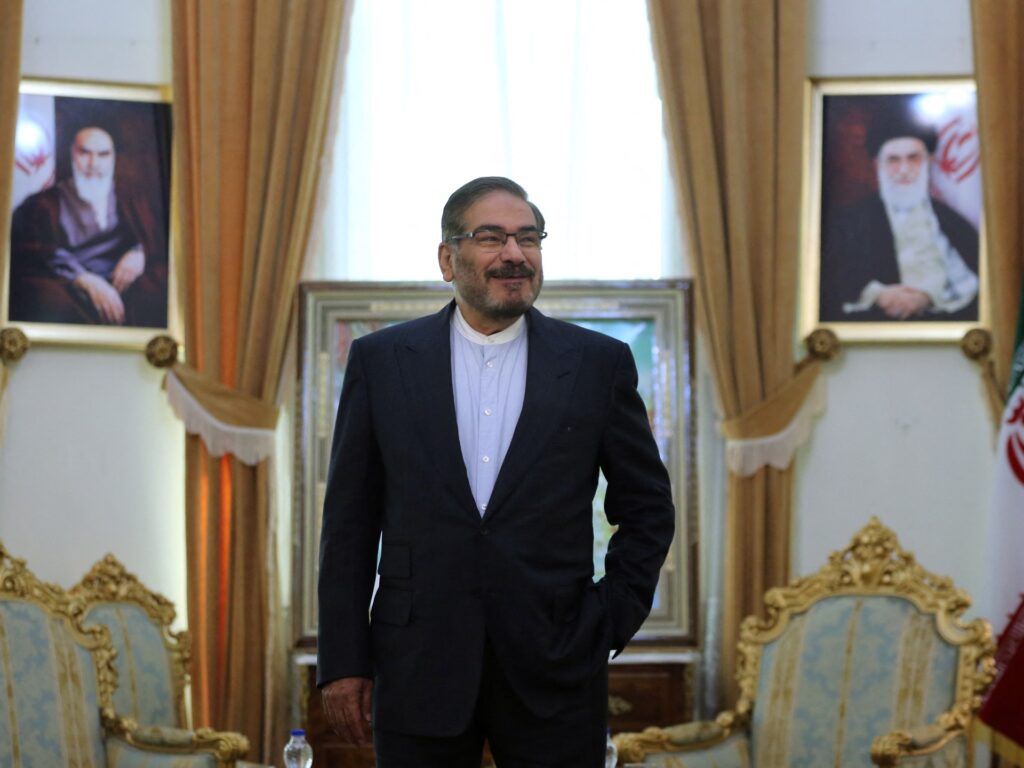
Ali Shamkhani is a prominent Iranian political and military figure who has played a significant role in Iran’s defense and strategic policymaking over the past several decades. He has served as Iran’s Minister of Defence and is currently the secretary of Iran’s Supreme National Security Council, a key position that places him at the heart of the country’s security and defense planning.
Shamkhani’s career began in the Iran-Iraq war during the 1980s, where he was recognized for his military leadership. Over the years, he transitioned into more strategic and political roles within the government. As Defense Minister from 1997 to 2005, he oversaw Iran’s military modernization efforts and was influential in shaping Iran’s defense doctrine.
In recent years, Ali Shamkhani has taken on the role of secretary of the Supreme National Security Council, making him a central figure in Iran’s national security affairs. This council is responsible for coordinating Iran’s defense and security policies, including matters related to nuclear negotiations and military strategy.
Notably, Shamkhani was deeply involved in the diplomatic processes surrounding the Iran nuclear program. He participated in high-level US-Iran nuclear talks, aimed at addressing the international concerns about Iran’s nuclear ambitions and seeking pathways to peaceful resolutions.
His involvement in both military and diplomatic dimensions highlights the multifaceted nature of his influence within the Iranian political system. This dual role has made him a key interlocutor in negotiations as well as a strategic architect of Iran’s defense policies.
Reports have surfaced that Ali Shamkhani was killed in recent US-Israel coordinated attacks. These attacks are part of escalating tensions between Iran and Western powers, particularly over Iran’s nuclear program and regional military activities. The death of such a senior official underscores the severity and intensity of the ongoing conflict and the high stakes involved.
Shamkhani’s demise could have significant implications for Iran’s political and military leadership, potentially affecting the country’s approach to both internal security and foreign diplomacy. His extensive experience, especially in navigating complex nuclear negotiations, represents a substantial loss for Iran’s strategic apparatus.
Throughout his career, Shamkhani was known not only for his hardline military stance but also for his pragmatic engagement in diplomatic efforts. This balance made him a unique figure capable of bridging military and diplomatic spheres—a critical asset in Iran’s tumultuous geopolitical environment.
His reported death may prompt shifts within Iran’s leadership structure, influencing future negotiations and military strategies. The broader geopolitical ramifications could also affect the dynamics of the US-Iran and Israel-Iran relationships, potentially leading to increased volatility in the region.
In conclusion, Ali Shamkhani was a pivotal figure in Iran’s defense and security establishment, known for his roles in both military command and diplomatic engagement. The reported killing of Shamkhani in recent attacks marks a critical moment in regional tensions, illustrating the high stakes and ongoing complexities of Middle Eastern geopolitics.