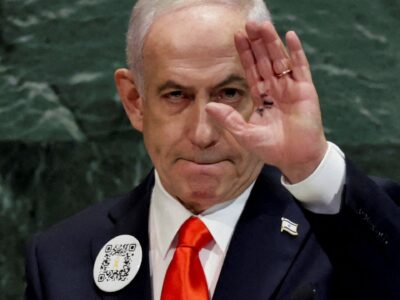
In the wake of a recent wave of joint military strikes launched by Israel and the United States against Iran, the atmosphere inside Israel reflects a complex blend of triumphalism and a prevailing sense of calm. This duality marks a new chapter in Israel’s security landscape, as the nation navigates the aftermath of significant offensive operations while managing ongoing threats.
Since the initiation of these attacks, triggered by escalating tensions and security concerns, Israel has maintained a state of heightened alert. Citizens and officials alike have adapted to this reality, framing the conflict within their broader understanding of security and survival. The joint strikes, reportedly aimed at curbing Iran’s destabilizing activities in the region, have evoked a wave of national pride among many Israelis, who view these actions as necessary defensive measures.
Despite the triumphalist rhetoric echoed by some political and military leaders, there is an undercurrent of calm that characterizes daily life. Israeli society, experienced in prolonged periods of conflict, tends to normalize such episodes of tension. This normalization is reflected in the resilience of everyday routines, market activities, and the steady functioning of urban centers, suggesting an ingrained capacity to withstand repeated security challenges.
The government has assured its citizens of their safety, emphasizing the precision and success of the joint operations. Security officials report that the measures have significantly disrupted Iranian military and paramilitary capabilities, although they remain cautious about potential retaliatory actions. Emergency services and the military remain on standby, underscoring the delicate balance between vigilance and maintaining public confidence.
International reactions to the strikes have been mixed, with various allies expressing support or concern over the escalation in regional hostilities. Israel, however, remains steadfast in its approach, viewing these military actions as critical to its long-term security strategy. Experts suggest that this approach could reshape the regional dynamics, influencing alliances and power structures in the Middle East.
Moreover, Israeli media coverage reflects both the nationalistic pride and the nuanced understanding of the broader implications. Analysis and commentary often highlight the strategic complexity of the situation, recognizing that while the strikes may have achieved immediate tactical successes, the geopolitical ramifications are still unfolding.
Civilians continue to live under the shadow of potential conflict escalation but appear to embrace a stoic attitude, rooted in historical experience with ongoing security threats. Community support networks and public messaging foster a sense of solidarity and resilience, reinforcing the national narrative of endurance.
In summary, the current state inside Israel following the attacks on Iran encapsulates a paradoxical blend of assertive triumphalism and calm endurance. As the nation stays on high alert, the balance of military readiness and societal normalcy defines what has become the ‘new normal’ in Israel’s complex security environment.