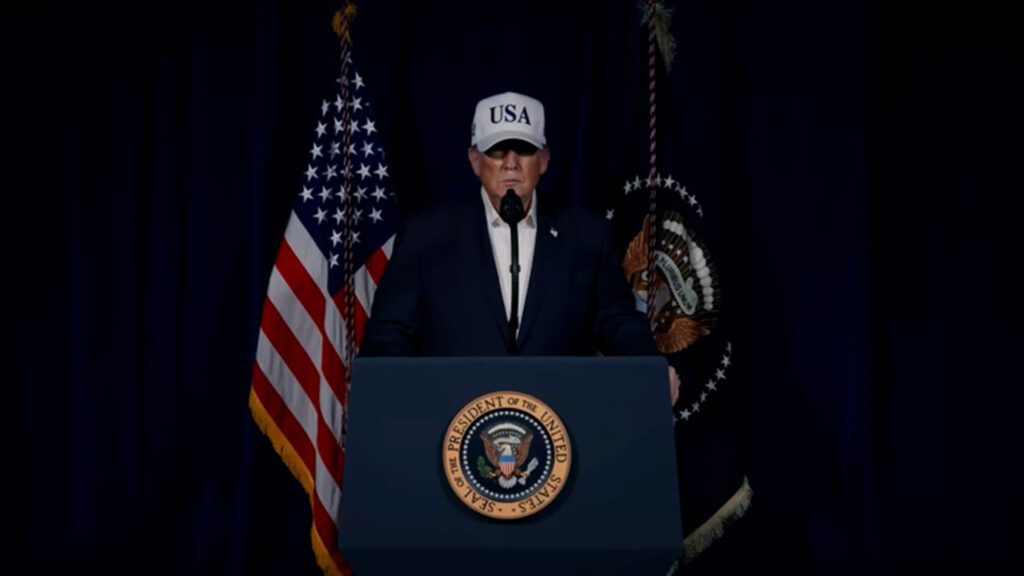
US President Donald Trump has publicly declared that American forces have commenced “major combat operations” in Iran, joining efforts alongside Israel in the escalating conflict. This announcement marks a significant escalation in the tensions between the United States, Iran, and the broader Middle East region.
Over the past years, relations between the US and Iran have been fraught with increasing hostility, driven by disputes over Iran’s nuclear program, regional influence, and its support for various militant groups. The decision to initiate combat operations reflects a critical turning point, underscoring deepening geopolitical divisions and the potential for extensive military confrontation.
The joint operations with Israel represent a unified front against Iran, which both nations perceive as a significant strategic threat. Israel has long expressed concerns about Iran’s missile capabilities and alleged support for proxy groups such as Hezbollah and Hamas, which have engaged in conflicts with Israeli forces. The US and Israel have often coordinated intelligence and military strategies to counter these perceived threats.
Details of the combat operations remain closely guarded by military officials, with limited information released to the public regarding the scale or objectives of the campaign. However, the declaration of “major combat operations” suggests a broad and sustained military engagement rather than isolated skirmishes or limited strikes.
International reactions have been swift, with many world leaders expressing alarm over the potential for a wider regional war. Diplomatic channels are reportedly active as countries seek to de-escalate tensions and prevent further deterioration of the situation. The United Nations and various international organizations have called for restraint and urged all parties to prioritize dialogue and peaceful resolution.
The impact of these operations is likely to reverberate beyond the immediate combat zones. Economic implications include potential disruptions to global oil supplies due to instability in the region, which could affect markets worldwide. Additionally, civilians in affected areas face heightened risks, including displacement and humanitarian crises.
Analysts suggest that the operations could be aimed at curbing Iran’s military capabilities and deterring future aggression. Yet, the complexity of Middle Eastern geopolitics means that outcomes remain uncertain, with risks of unintended consequences.
Ultimately, the commencement of major combat operations signals a new and dangerous chapter in US-Iran relations and Middle Eastern security dynamics. The international community watches closely as the situation unfolds, hoping for rapid de-escalation and a return to dialogue to avoid further instability and loss of life.