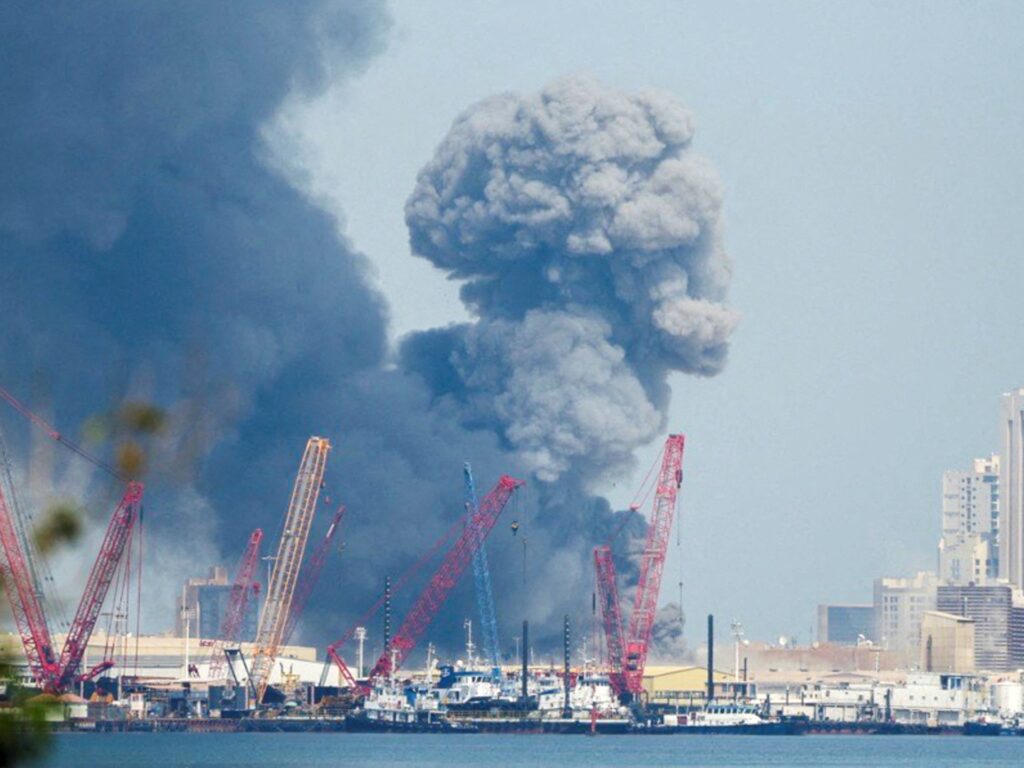
Tensions in the Middle East have escalated as Iran confirmed targeting US military bases across the region, specifically in multiple Gulf Arab states that host American assets. This move marks a significant intensification in the ongoing geopolitical conflict between the two adversaries.
According to verified reports, the Iranian government launched coordinated missile and drone strikes on several US military installations located in Gulf countries, which have long served as strategic locations for American defense and intelligence operations. These attacks come as a direct response to prior confrontations and represent Tehran’s assertion of its military capabilities and influence in the region.
The Gulf Arab states affected by these strikes include Bahrain, the United Arab Emirates, and Qatar, all of which maintain close security ties with the United States. The targeted bases are critical hubs for regional security operations and house thousands of US troops and sophisticated defense systems.
This development has heightened security concerns among the coalition forces operating in the Gulf and has prompted emergency consultations between US officials and their Gulf counterparts. There is a growing apprehension that this cycle of retaliation could spiral into broader conflict, destabilizing an already volatile region.
Iran’s military action underscores its strategic objective to deter further US presence and interference in Middle Eastern affairs. Iranian officials have warned that continued foreign military deployments in their perceived sphere of influence will provoke persistent retaliations.
The US Department of Defense has not disclosed detailed damage assessments but confirmed that the attacks caused limited casualties and infrastructural harm. In response, the US has pledged to reinforce its defensive posture in the region and has called for international support to de-escalate tensions.
Analysts suggest that this escalation reflects broader regional dynamics, including proxy rivalries, energy security concerns, and the struggle for influence between the US and Iran. The Gulf Arab states remain crucial players due to their strategic locations and resources, which makes them focal points in the overarching geopolitical contest.
The international community continues to urge restraint from all involved parties, emphasizing the risks of military conflict on global energy markets and regional stability. Diplomatic channels remain cautiously open to negotiate a de-escalation, but with current rhetoric and actions, prospects for immediate peace seem limited.
This latest bout of violence reiterates the fragile nature of peace in the Middle East and the complex web of alliances defining contemporary international relations. Observers watch closely as the situation develops, hoping for a peaceful resolution but preparing for possible further confrontations.