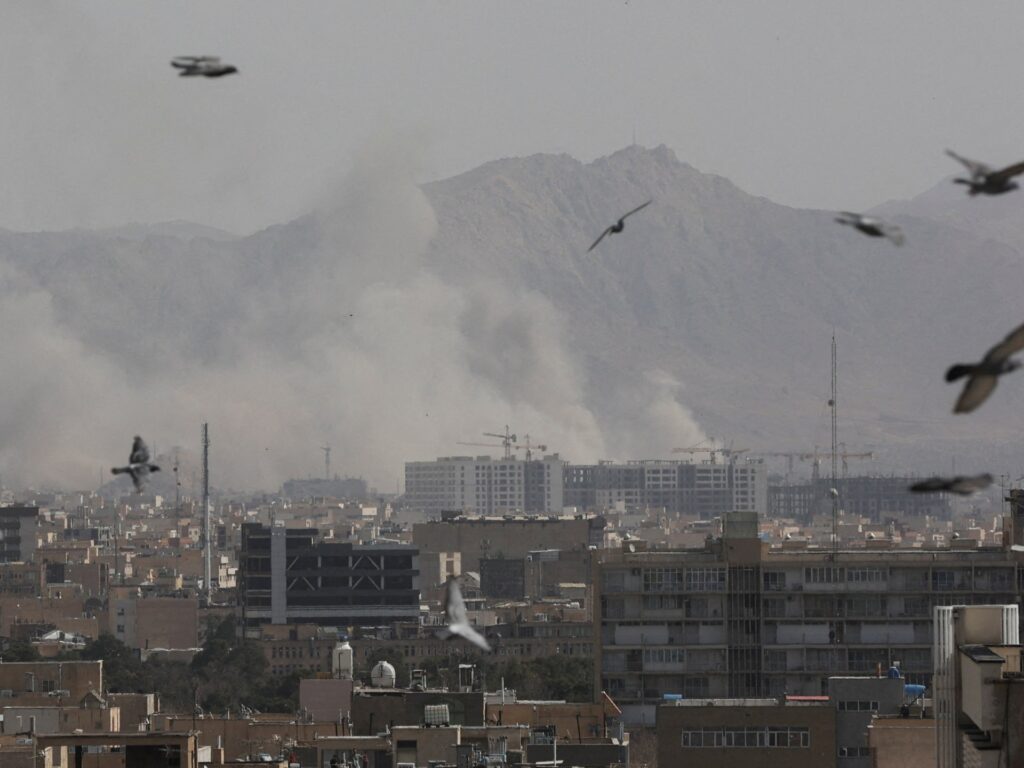
In an unprecedented move reflecting the escalating tensions in the Middle East, at least eight countries, including Iran, Israel, Jordan, and Qatar, have closed their airspace, leading to a significant disruption in global air travel. This development follows coordinated attacks by the United States and Israel, which prompted swift retaliatory actions by Iran, setting off a chain of security measures and air traffic suspensions.
The closure of airspace by these nations is a precautionary decision aimed at safeguarding civilian flights amid ongoing military confrontations. Airlines operating in and around these regions have either halted flights or rerouted them to avoid the affected airspaces, causing widespread delays and cancellations globally.
The impact on international travel has been immediate and profound. Major international carriers have reported suspension of flights, especially those connecting through Middle Eastern hubs, significantly affecting passenger movement and cargo transport. The closures have led to logistical challenges for airlines and increased safety concerns for passengers, with the airspace shutdown reflecting heightened geopolitical risks.
Countries enforcing closures have cited the deterioration of security conditions and the unpredictability of military engagements as primary reasons. The action encompasses a broad swath of airspace over critical regions, effectively isolating air routes and complicating navigation for aircraft.
Among the affected airlines are some of the world’s largest carriers, which have expressed their commitment to passenger safety while working to minimize service disruptions. Efforts to find alternative air routes are ongoing, but with the conflict showing no signs of immediate de-escalation, the situation remains volatile.
The Iranian government’s response to the US and Israeli operations has been forceful, involving both military maneuvers and strategic communication aimed at consolidating regional support. Meanwhile, Israel and its allies maintain heightened alert levels and continue their operations, emphasizing national security.
Jordan and Qatar, as key players in the region, have taken the precautionary step of closing their skies to prevent any inadvertent escalation or threats to civilian aviation, along with other countries that have followed suit.
The global aviation community is closely monitoring the situation, as prolonged airspace closures could have lasting effects on international travel dynamics, airline financial health, and regional economies.
International bodies such as the International Civil Aviation Organization (ICAO) and the International Air Transport Association (IATA) are urging all parties to ensure the safety of civillian air travel and to seek diplomatic solutions to restore normalcy to the skies.
Passengers are advised to check with their airlines for the latest flight information, as schedules are subject to rapid change due to the evolving security situation.
In summary, the ongoing military actions by the US and Israel and the corresponding response from Iran have dramatically altered the airspace accessibility over a strategic region. The closures enforced by at least eight countries, including major regional players, underscore the severity of the conflict and its far-reaching implications on global air travel and safety.