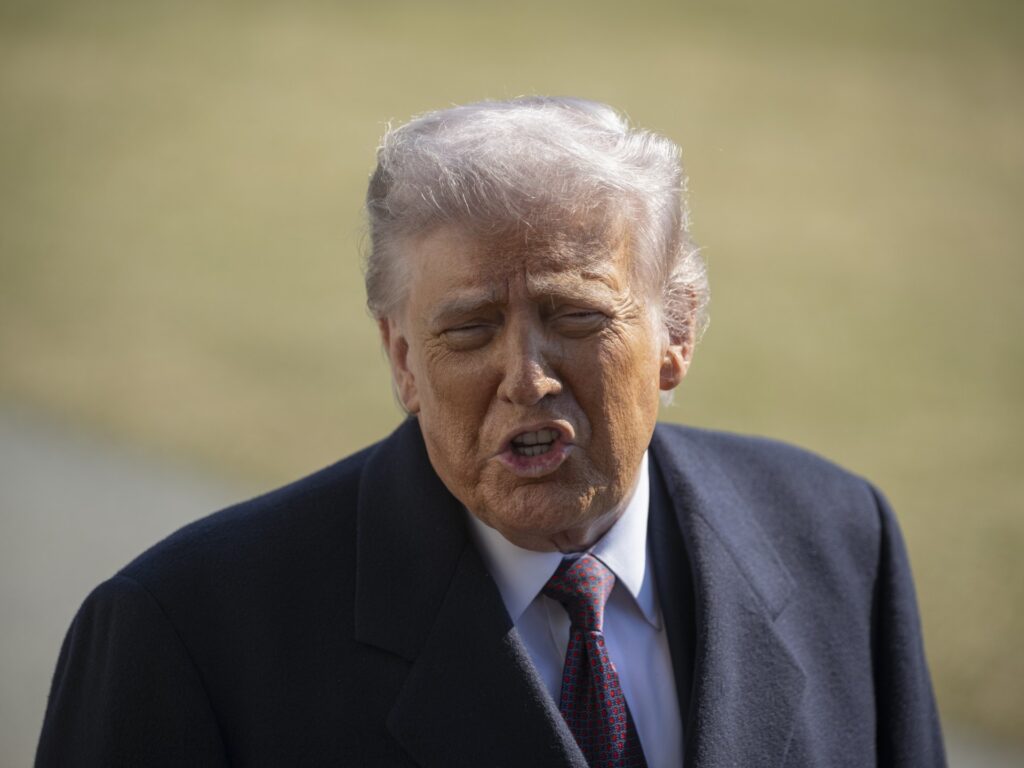
In a recent series of strong statements, former US President Donald Trump expressed alarming rhetoric about the ongoing conflict involving the US, Israel, and Iran. Trump spoke of ‘annihilation’ and ‘elimination’ in the context of military actions against Iran, escalating tensions in a volatile region. These declarations came as the US and Israel have been reported to launch coordinated attacks targeting Iranian assets.
Trump’s comments have raised eyebrows due to their severe tone and lack of accompanying concrete evidence presented publicly to support his claims. Despite the gravity of the statements, no official intelligence or detailed justification has been shared that explicitly confirms the basis for such declarations.
Meanwhile, Iran has vocally condemned the attacks and Trump’s rhetoric, threatening retaliation. Iranian officials have vowed to respond decisively to what they describe as aggression by US and Israeli forces. The situation is contributing to heightened fears of further conflict in the Middle East.
Analysts note that the rhetoric and military movements could lead to a dangerous cycle of escalation, with each side responding to perceived threats with stronger measures. The international community is watching closely, urging restraint and dialogue to prevent the situation from deteriorating into a larger confrontation.
Trump’s remarks echo his historical style of blunt and provocative statements, which often polarize opinions both domestically and internationally. Supporters argue that such toughness is necessary to confront hostile nations, while critics warn that incendiary language can inflame conflicts and undermine diplomatic efforts.
The US government under President Biden has taken a different approach toward Iran, focusing on diplomatic channels such as negotiations over Iran’s nuclear program. However, the involvement of Israel and the hardline stance from factions within the US complicate the political landscape.
Amidst the turmoil, the Iranian population is caught in the crossfire, with fears of escalation causing concern for civilian safety and regional stability. Human rights advocates emphasize the importance of protecting innocent lives and promoting peaceful solutions.
International organizations have called for an immediate de-escalation to prevent further violence and loss of life. They stress the need for renewed diplomatic efforts to address the root causes of the conflict rather than resorting to military action.
As the situation develops, the global community remains apprehensive about the potential ramifications of continued aggression and the use of stark language that signals total destruction. The events highlight the fragile nature of peace in the Middle East and the urgent need for sustainable conflict resolution mechanisms.
In summary, Trump’s remarks about ‘annihilation’ and ‘elimination’ amid US and Israeli military actions against Iran underscore an intensifying crisis. The lack of publicly available evidence supporting these claims and Iran’s vow of retaliation add layers of complexity to an already precarious geopolitical environment. The hope is that cooler heads will prevail to avoid a broader conflict and prioritize diplomacy for lasting peace.