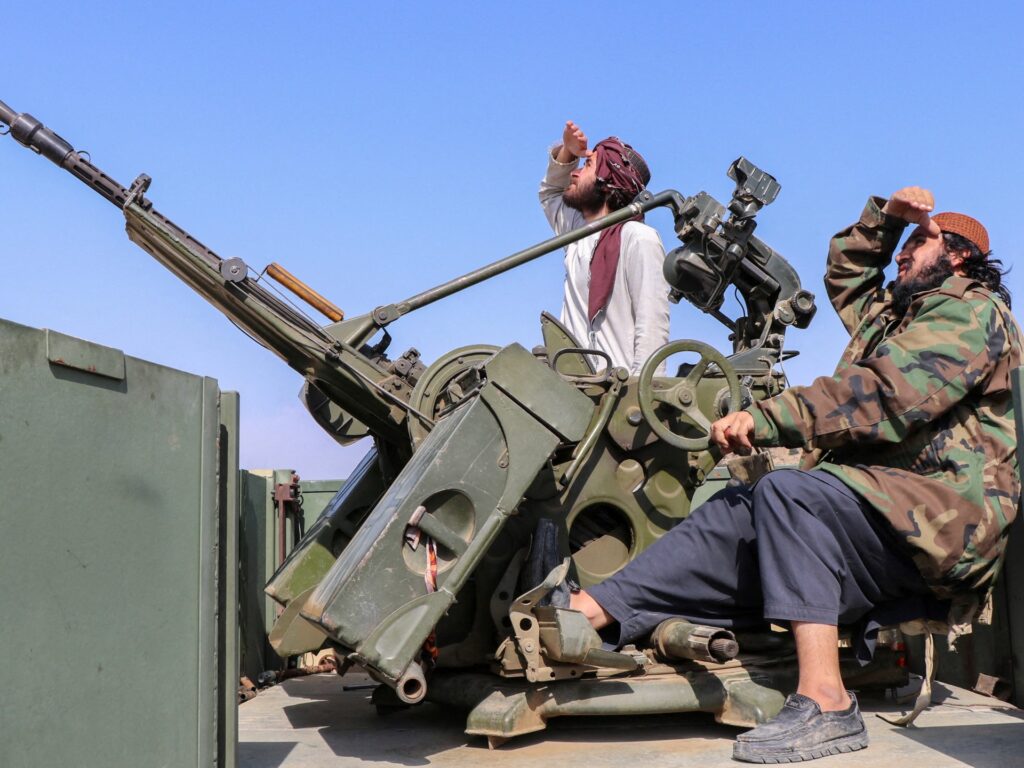
Amid escalating tensions and deadly clashes along the Pakistan-Afghanistan border, international entities including Iran and the European Union are urging both sides to engage in dialogue to de-escalate the conflict. Recent reports state that Pakistan has targeted Taliban forces situated in Afghanistan’s Kabul and adjacent border regions. These military engagements have sparked a humanitarian concern as the United Nations Secretary-General has highlighted the adverse impact on civilians in the affected areas.
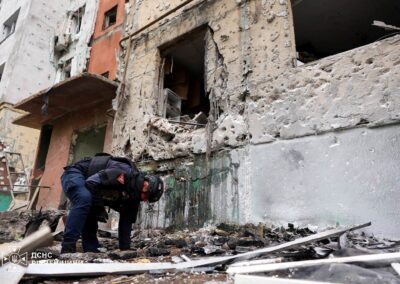
The situation has rapidly intensified following exchanges of fire and military actions that have exacerbated already fragile relations between the two nations. Pakistan’s military operations against Taliban targets aim to neutralize perceived threats, yet they have also resulted in casualties beyond combatants, affecting innocent civilians.
Iran and the EU have called for restraint, emphasizing the importance of dialogue to prevent further violence and to seek a peaceful resolution. Both parties stress that peaceful negotiations are paramount to ensuring the safety and stability of the region, which has historically been volatile due to geopolitical and ethnic complexities.
The United Nations Secretary-General’s intervention underscores the urgency of addressing humanitarian concerns. The organization is focusing on providing aid and protecting civilians caught amid the crossfire. Their efforts are complemented by regional calls for ceasefires and peaceful negotiations to restore calm.
The border regions between Pakistan and Afghanistan have long been a flashpoint for conflict, often influenced by disputes over territory, insurgency, and political differences. The current clashes mark a significant escalation, with both sides expressing their intent to resolve the conflict but resorting to military means amid rising tensions.
International observers warn that continued violence could destabilize the broader South Asian region, affecting trade, security, and refugee movements. Therefore, diplomatic efforts by Iran, the EU, and the UN play a crucial role in pushing for dialogue and mediation.
Pakistan emphasizes its right to defend its borders and combat groups it labels as threats to national security. However, Afghan Taliban leaders and officials have condemned the attacks as violations of sovereignty and have called on Pakistan to cease military actions.
The situation remains volatile, with the potential for further escalations if dialogue stalls. Stakeholders advocate for immediate ceasefire agreements and the initiation of talks that can pave the way for peaceful coexistence and long-term stability.
In conclusion, the Pakistan-Afghanistan border conflict represents one of several critical security challenges in the region. With Iran and the EU urging dialogue and the UN highlighting civilian risks, the international community’s attention is focused on facilitating peaceful solutions to prevent further loss of life and to promote regional peace.