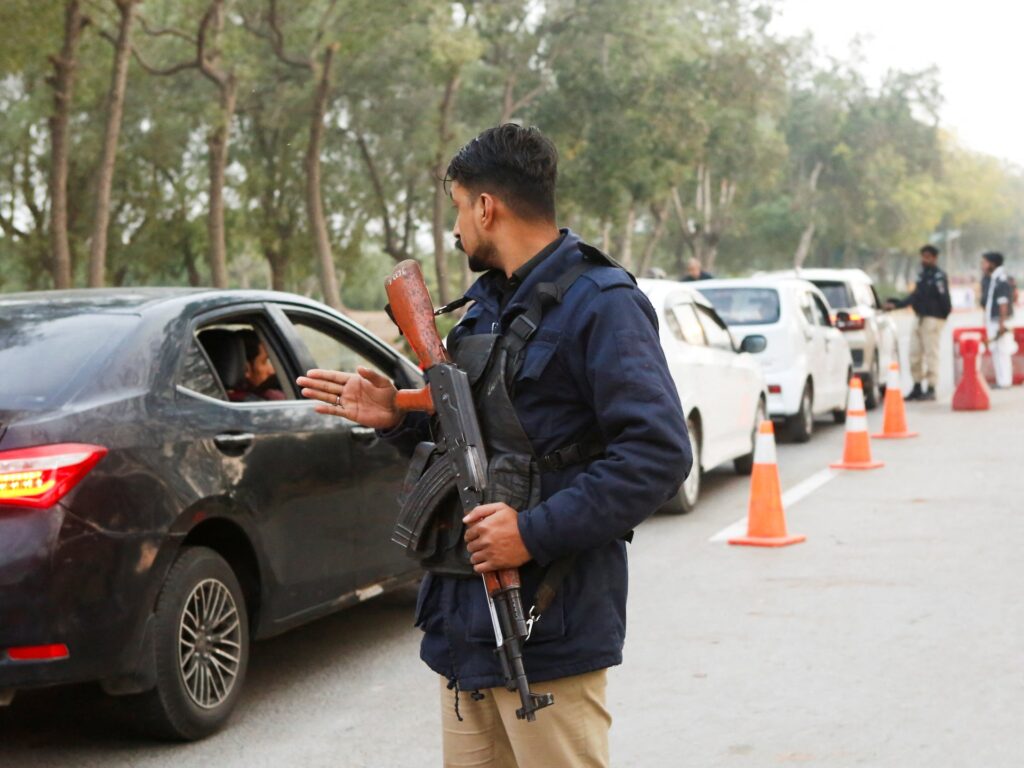
Tensions between Pakistan and Afghanistan have escalated as Pakistan officially announced there will be ‘no dialogue’ with Afghanistan due to persistent cross-border attacks. The situation remains volatile following recent incidents, including a reported drone strike that targeted a mosque in Bannu, a city near the Pakistan-Afghanistan border.
Pakistani media sources reported that the drone strike on the mosque in Bannu injured at least five people, intensifying the already high level of unrest in the region. This incident marks a significant deterioration in relations between the two neighboring countries, which have long dealt with border security challenges and militant activities.
The Pakistani government’s statement signals a hardening stance, rejecting talks or negotiations amidst the continuing violence. Security officials in Pakistan have repeatedly decried what they describe as militant groups operating from Afghan territory, carrying out attacks within Pakistan’s border regions.
Bannu, located in Khyber Pakhtunkhwa province, has historically been vulnerable to cross-border militants due to its proximity to the porous frontier with Afghanistan. The mosque drone incident has raised concerns about civilian safety and prompted calls for stronger defensive measures along the border.
Pakistan’s refusal to engage in dialogue could further complicate efforts to stabilize the region. Past attempts at diplomatic rapprochement have been fragile, often undermined by incidents of violence and mutual accusations of harboring militants.
Regional experts warn that continued hostilities might exacerbate the humanitarian situation in border districts, affecting civilians who are caught in the crossfire. Both Pakistan and Afghanistan face challenges stemming from extremist violence, but without communication channels, these issues risk becoming entrenched.
International observers have urged restraint from both sides and called for renewed diplomatic efforts to address security concerns and promote peaceful coexistence. Support for dialogue and conflict resolution has been a recurring theme among neighboring countries and global powers interested in regional stability.
The current impasse highlights the broader geopolitical complexities in South Asia, where historical animosities, political instability, and security dilemmas intersect. The absence of dialogue coupled with ongoing attacks suggests a period of uncertainty and heightened danger for peace prospects.
In the coming weeks, monitoring developments along the Pakistan-Afghanistan border will be critical. The international community continues to watch closely, seeking ways to encourage dialogue and reduce violence for the benefit of civilians and regional harmony.
As the situation evolves, the priority remains to protect lives and foster conditions that could eventually lead to meaningful negotiations between the two neighbors. Until then, Pakistan’s decision to suspend talks signals a challenging phase in Afghanistan-Pakistan relations amid an environment of continuous violence and mistrust.