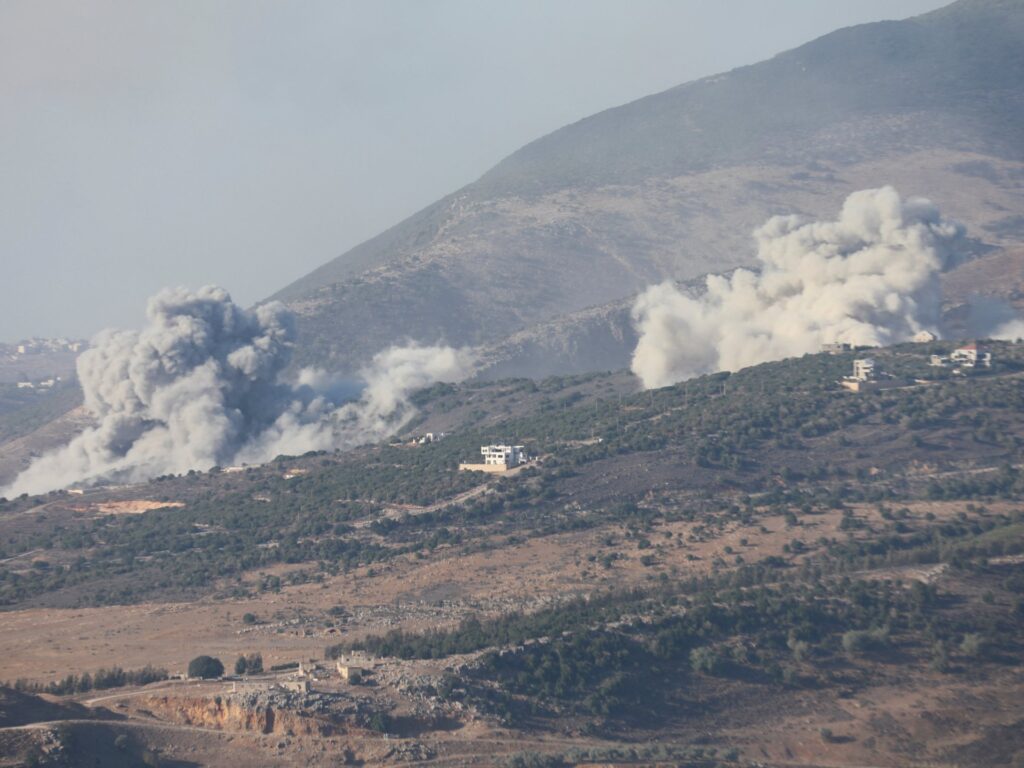
In a recent escalation of conflict, the Israeli military has launched strikes targeting the Iqlam al-Tuffah region in southern Lebanon. The military asserts that these actions are aimed at Hezbollah sites, a key militant group and political party based in Lebanon. This development marks a significant intensification in the hostilities between Israel and Hezbollah, which have a long history of conflict and periodic violence.
The Israeli Defense Forces (IDF) have declared their intention to dismantle what they describe as Hezbollah’s strategic and military infrastructure. However, reports from the ground indicate that the strikes have also resulted in damage to civilian infrastructure and have affected non-combatant populations repeatedly. Such collateral damage has raised concerns among international observers and human rights organizations regarding the proportionality and discrimination of these military operations.
The Iqlam al-Tuffah area, known for its agricultural importance and dense population, has suffered infrastructural degradation as a result of the conflict. Power outages, water supply disruptions, and damage to homes and public buildings highlight the human cost of these ongoing strikes. Local residents express growing anxiety and insecurity, with many fearing that the violence could escalate further.
This recent surge in hostilities adds to the longstanding tension in the border areas between Israel and Lebanon. Hezbollah maintains a significant presence in southern Lebanon and views Israel as an occupying force, justifying their armed resistance. Conversely, Israel cites security threats posed by Hezbollah’s arsenal and military capabilities, which include rockets and tunnels aimed at Israeli territory.
International actors have called for restraint from both sides to prevent a wider conflict that could engulf the already volatile region. The United Nations and various countries have urged dialogue and de-escalation, highlighting the importance of protecting civilian lives and infrastructure.
The situation remains fluid, with heightened military alertness on both sides and the potential for further exchanges of fire. The strikes on Iqlam al-Tuffah underscore the fragile nature of peace in the region and the grave risks posed to civilian populations caught in the crossfire. As diplomatic efforts to mediate between the parties continue, the hope is for a cessation of hostilities and a return to stability in southern Lebanon and beyond.