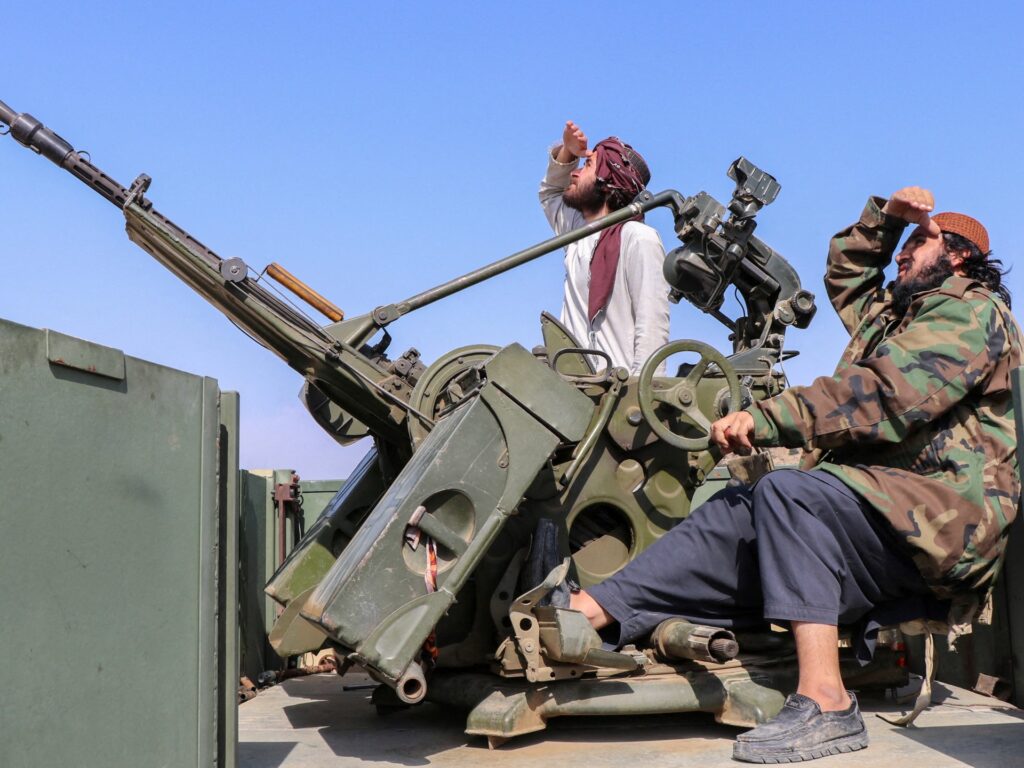
Tensions between Pakistan and Afghanistan have escalated to deadly clashes along their shared border, prompting urgent calls for dialogue and peaceful resolution. Pakistan reported targeting Taliban forces located within Afghanistan’s Kabul and adjacent border regions, intensifying the conflict further.
The situation has sparked international concern, with the United Nations Secretary-General highlighting the severe impact on civilians caught in the crossfire. The ongoing skirmishes threaten the fragile stability of the region, where cross-border attacks and militant activities have historically strained relations.
Pakistan’s military operations reportedly aimed at Taliban militants who have carried out attacks across the border. However, these actions have exacerbated tensions with Afghanistan, where the Taliban holds significant control.
The border area has seen sporadic violence over time, but recent clashes are among the deadliest in recent memory. The fighting has resulted in casualties on both sides, including among civilians, humanitarian agencies report.
The United Nations has called for an immediate ceasefire, warning both parties about the escalating human toll and urging respect for international humanitarian laws. “The ongoing violence only serves to deepen mistrust and hinders the much-needed political dialogue,” the UN chief stated.
Local communities along the border face displacement, loss of livelihoods, and insecurity as a result of the clashes. Aid organizations warn that without prompt intervention, the humanitarian situation could deteriorate further.
Diplomatic channels are reportedly engaged in backdoor talks to de-escalate the crisis. Regional powers and international actors emphasize the importance of dialogue, stressing that militarized responses may only lead to prolonged conflict.
Experts note that a sustainable peace process should address underlying issues such as border demarcation, security cooperation, and counterterrorism efforts while ensuring protections for civilian populations.
Pakistan and Afghanistan share a complex history marked by political and ethnic ties, but also mutual suspicion and unresolved border disputes. The porous nature of their border has often facilitated militant movements, complicating security efforts.
Analysts suggest that renewed dialogue could pave the way for confidence-building measures and eventual normalization of relations. Previous attempts at dialogue have faltered, largely due to mistrust and divergent political agendas.
In the meantime, humanitarian organizations call for increased assistance to affected populations, urging the international community to prioritize aid delivery and protection initiatives.
Amid the volatile situation, voices within both countries advocate for peaceful negotiations and caution against actions that could escalate the conflict further.
The international community continues to monitor developments closely, advocating for restraint and emphasizing the need for a comprehensive political solution to ensure long-term peace and stability in the region.