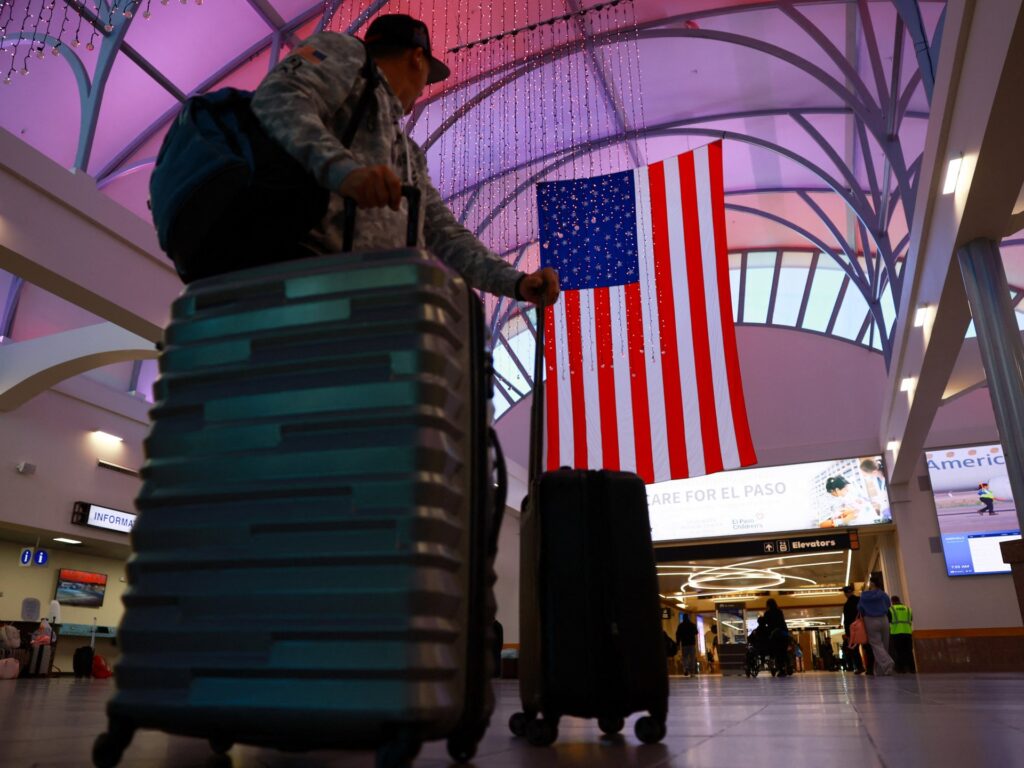
In a concerning development, a second incident involving the use of a US military laser against drones occurred this month, leading to the closure of airspace in Texas. The latest episode took place over El Paso, where the military deployed an anti-drone laser system that inadvertently disrupted civilian aviation in the region.
The incident has sparked significant criticism from lawmakers who have expressed frustration over what they describe as mismanagement of military operations affecting civilian airspace. The closure of the El Paso airspace caused disruption for commercial and private flights, raising questions about the safety protocols and communication between military and civilian authorities.
According to official sources, the military’s anti-drone laser was activated to neutralize perceived threats from unmanned aircraft in the vicinity. However, the exact circumstances leading to the broader airspace closure remain unclear, as investigations are ongoing.
This is the second time this month that a US military laser system intended for drone defense has caused unintended consequences. The first incident reportedly took place in another part of Texas, triggering concerns about the operational safety of such laser systems.
Lawmakers have called for a thorough review of the procedures governing the deployment of military technologies in civilian airspace. They emphasize the need for improved coordination between the Department of Defense, the Federal Aviation Administration, and local authorities to ensure public safety is not compromised.
The El Paso closure highlights the challenges faced by authorities in balancing national security measures with the safety and convenience of civilian air travel. Experts warn that as drone technology becomes more ubiquitous, the methods to counter threats must be carefully regulated to prevent collateral disruptions.
Civil aviation stakeholders have urged the military to adopt more stringent safeguards and to increase transparency in their operations. Airlines operating in Texas have temporarily rerouted flights to avoid the affected airspace, leading to logistical complications and increased operational costs.
In response, the Department of Defense has pledged to cooperate fully with ongoing investigations and to implement any necessary changes to their protocols. Officials stress the importance of maintaining effective defense capabilities while minimizing impact on civilian infrastructure.
This series of incidents draws attention to the evolving landscape of drone threats and the complexities involved in deploying countermeasures. As technology advances, the integration of military defensive systems within civilian domains necessitates comprehensive oversight and community engagement.
The Texas airspace closure serves as a reminder of the potential risks when military operations intersect with everyday public activities. Moving forward, stakeholders across the government and private sectors will be tasked with finding solutions that safeguard both security interests and civil liberties.
As details continue to emerge, the public awaits clarity on how such incidents can be prevented in the future, ensuring that advancements in defense technology do not come at the expense of civilian safety and mobility.