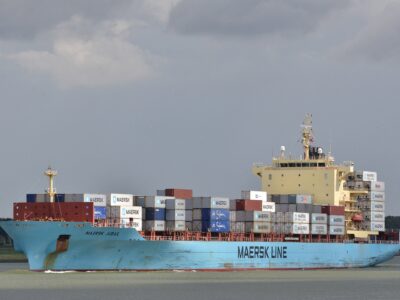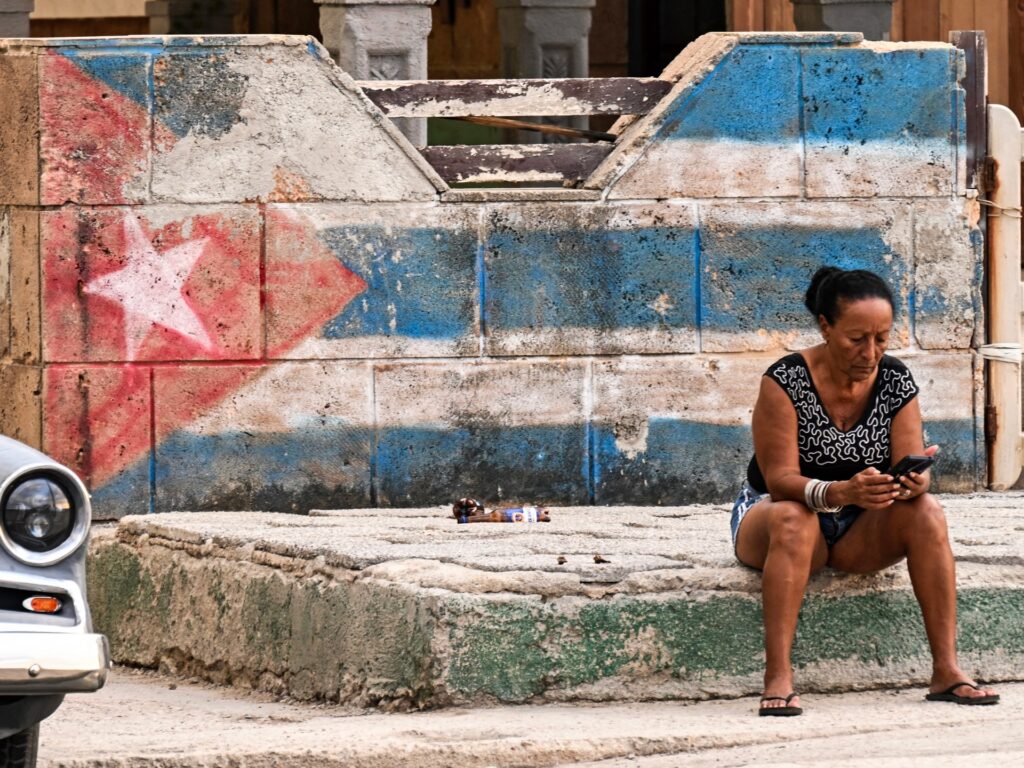
Cuba is currently facing a significant humanitarian challenge due to a US-imposed fuel embargo that jeopardizes its already vulnerable energy grid. The country’s energy infrastructure is heavily reliant on fossil fuels, making the embargo’s impact particularly concerning. In response to this emerging crisis, Russia has signaled consideration of providing fuel support to Cuba, aiming to alleviate the pressure on the island nation’s energy supply. This potential fuel assistance from Russia comes at a critical time as Cuba grapples with maintaining essential services and preventing widespread hardship among its population.
Simultaneously, Canada has pledged food aid to Cuba to help address the looming humanitarian needs. The Canadian government’s commitment reflects growing international concern about the potential for food shortages and other hardships as a result of the fuel embargo. The combined efforts of Russia’s potential fuel support and Canada’s food aid underscore the complexities of the situation, where geopolitical tensions intersect with urgent humanitarian needs.
The US embargo has intensified concerns about Cuba’s capacity to sustain its energy grid, which powers water systems, healthcare facilities, transportation, and other vital services. A disruption in fuel supply can trigger cascading effects that further undermine public health and economic stability. By contemplating fuel supply to Cuba, Russia not only extends economic and political support but also helps avert a deepening of the crisis.
Canada’s food assistance is expected to provide critical relief as food production and distribution in Cuba are also vulnerable to energy shortages. Food security is intricately linked with energy availability, with transportation and refrigeration requiring reliable power. The Canadian aid initiative is thus an essential complement to any fuel support efforts.
International observers highlight this scenario as a demonstration of how sanctions and embargoes, while tools of foreign policy, can have far-reaching humanitarian consequences. The potential intervention by Russia and Canada raises questions about the future dynamics of international relations surrounding Cuba, the US, and other global powers.
This unfolding situation in Cuba serves as a reminder of the delicate balance between political strategies and humanitarian imperatives. As more countries consider their roles in the crisis, coordinated efforts may be necessary to ensure that aid reaches those in need without exacerbating geopolitical tensions.
The humanitarian crisis threat in Cuba highlights the critical need for a sustainable and reliable energy supply, as well as sufficient food resources. While the US maintains its embargo stance, the supportive measures from Russia and Canada bring a glimmer of hope for mitigating the hardships faced by ordinary Cubans. Continued monitoring of this situation will be essential as the international community seeks pathways to address Cuba’s immediate needs while navigating complex political landscapes.