In recent events, tensions and demands for justice have intensified after the killing of another US citizen by Israeli settlers. This incident has sparked widespread outrage and calls from human rights advocates for accountability and renewed scrutiny of the Israeli-Palestinian conflict, especially regarding treatment of American nationals within the region.
The victim was reportedly shot by Israeli settlers under unclear circumstances that authorities are currently investigating. This marks yet another tragic chapter in a series of violent encounters in an already volatile environment. For years, the Israeli-Palestinian conflict has been a hotbed of tension, with repeated incidents involving settlers and Palestinians drawing international concern.
Rights groups have criticized the US government’s response, particularly highlighting the role of US envoy Mike Huckabee. They argue that he has not done enough to pursue accountability or to push Israeli officials to address abuses against American citizens living or traveling in the contested territories.
“The recent killing is a stark reminder of the dangers faced by civilians caught in the crossfire, and it calls for urgent action from US policymakers,” said a spokesman for one of the human rights organizations involved. The call for justice includes demands for impartial investigations, justice for victims, and stronger diplomatic pressure to prevent such incidents in the future.
The US government has traditionally maintained a strategic alliance with Israel, balancing its support with calls for peace negotiations. However, critics say that this alliance sometimes leads to overlooking serious violations against individuals, particularly those holding US citizenship.
International response has also been varied. While some nations have condemned the violence and urged calm, others emphasize the complex historical and political factors contributing to the ongoing conflict.
This latest killing has renewed debates on Capitol Hill and among foreign policy watchers about the adequacy of current measures to protect American citizens abroad, especially in conflict zones. Calls for a more robust diplomatic strategy, incorporating human rights concerns, are gaining momentum.
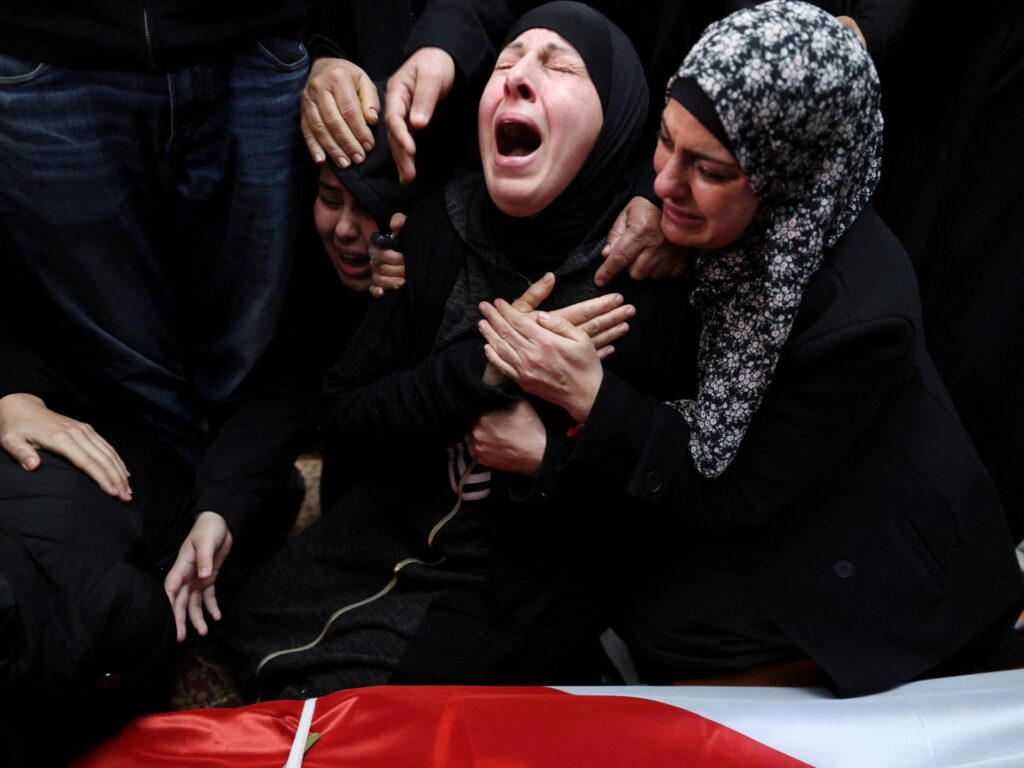
Meanwhile, local communities affected by the violence continue to grapple with fear and uncertainty. The constant threat of violence has a deep social and psychological impact on residents, exacerbating mistrust and hostility.
As investigations proceed, the international community watches closely, hoping for a transparent process that may help prevent further such tragedies. Advocates urge the US government to reassess its approach and enhance protections for its citizens, including more rigorous accountability mechanisms for perpetrators of violence.
The incident shines a light on the broader need for durable peace initiatives that address security, human rights, and mutual respect. Only through comprehensive dialogue and cooperation can there be hope to reduce violence and build a safer environment for all individuals in the region.
In summary, the killing has intensified calls for justice and accountability while spotlighting ongoing challenges in US-Israeli relations and the broader geopolitical landscape. The global community remains watchful, hoping for meaningful progress towards peace and the protection of all civilians regardless of nationality or background.