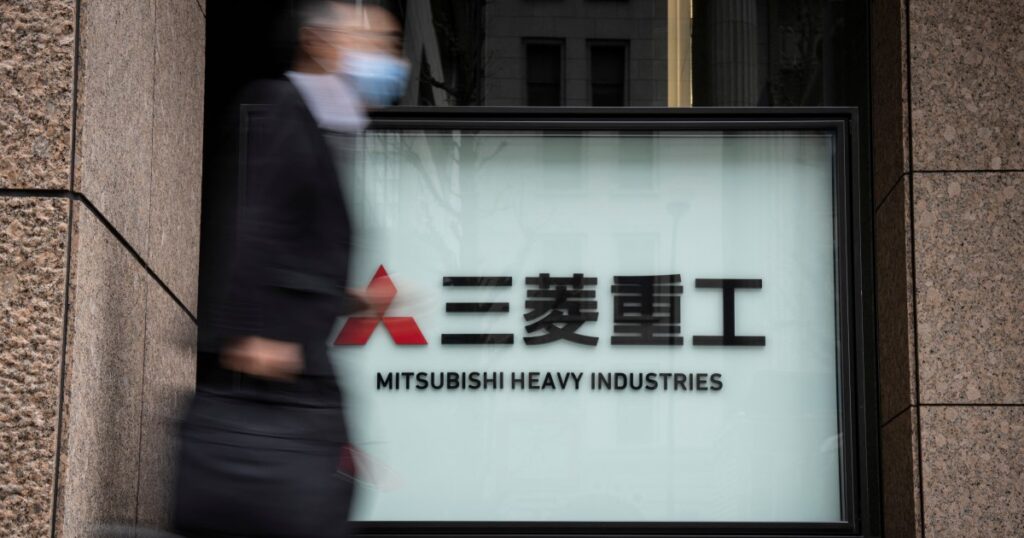
Tokyo has lodged a formal protest against China following the latter’s recent move to block exports of ‘dual-use’ goods to 20 Japanese companies. China’s Commerce Ministry stated that this measure aims to prevent the remilitarisation of Japan, highlighting the sensitive geopolitical tensions in the region.
The term ‘dual-use’ refers to materials and technologies that can be employed for both civilian and military purposes. This blockade by China is seen as a strategic maneuver amid ongoing concerns about Japan’s military developments and regional security dynamics.
The affected Japanese firms operate in various sectors, including technology and manufacturing, which are crucial to Japan’s industrial and defense capabilities. The stoppage of exports from China, a major supplier of essential components, could have significant impacts on the supply chains and operations of these companies.
Japan’s government has expressed strong opposition to the restrictions, emphasizing the importance of free trade and the peaceful use of technology. Officials in Tokyo argue that Japan’s military is defensive in nature and complies with international regulations.
This event comes amid increasing geopolitical rivalry between China and Japan, where historical disputes and current strategic interests frequently lead to diplomatic strains. Both countries have been expanding their military capabilities, with Japan seeking to enhance its defense in response to regional threats.
Experts suggest that China’s export controls are not only regulatory but also a political signal to Japan, underscoring Beijing’s concerns about the potential escalation of militarization in the region.
Economic analysts warn the move could disrupt the economic ties between the two countries, which have been significant despite political differences. Japan depends heavily on China for raw materials and components, making the blockade a potential risk to industrial output and economic stability.
The international community is closely monitoring the situation as it reflects broader tensions in East Asia, involving key global powers and impacting regional security architectures.
Japan might consider diplomatic negotiations or seek support from allies to mitigate the impact of China’s export restrictions. The incident adds a complex layer to Japan-China relations, influencing not only trade but also broader strategic alliances.
In summary, China’s blockade of dual-use exports to 20 Japanese companies has sparked significant protests from Tokyo, highlighting ongoing national security concerns and economic interdependencies. The situation remains fluid as both countries navigate this politically sensitive issue amidst wider regional and international implications.