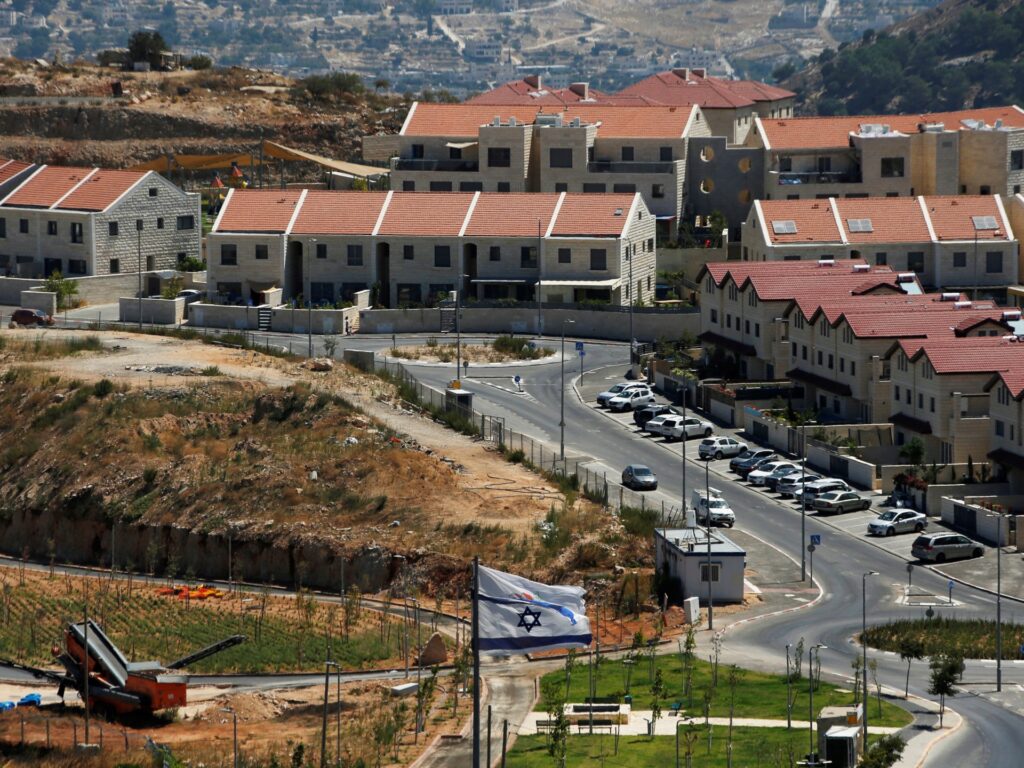
The United States government has announced that its embassy services will be extending to the Israeli settlement of Efrat in the West Bank, beginning February 27. Efrat is considered an illegal settlement under international law, which has generated significant controversy and diplomatic discussions.
This decision marks a notable shift in US policy regarding the Israeli-Palestinian conflict, where the status of settlements in the West Bank has been a persistent point of tension. The Palestinian Authority and many international actors regard settlements like Efrat as violations of international law and obstacles to peace negotiations.
The US embassy has traditionally operated in Jerusalem and other recognized Israeli cities, but the expansion of consular services to Efrat indicates a new level of engagement within areas of disputed status. This move has been met with mixed reactions globally, with some viewing it as an affirmation of Israel’s claims, while others see it as a provocative step undermining peace efforts.
Consular services typically facilitate visa processing, assistance to US citizens, and diplomatic communication. By establishing these services in Efrat, the US aims to provide better support to Americans residing or traveling in that region.
Critics argue that this development could exacerbate tensions between Israelis and Palestinians, potentially impacting ongoing peace talks and negotiations. Supporters, however, contend that providing consular services is a practical measure to enhance diplomatic presence and protect American interests.
The US government has not fully elaborated on the broader implications of this change, but the move will likely influence regional dynamics. The settlement of Efrat itself is home to thousands of residents and has seen significant growth since its establishment.
International law, including United Nations resolutions, generally considers Israeli settlements in the West Bank illegal, asserting that the territory is occupied land. The US position on settlements has varied across administrations, making this decision a significant policy statement.
The announcement comes amid ongoing conflict and evolving US foreign relations in the Middle East. Observers will be closely monitoring the impact of this decision on US relations with both Israel and the Palestinian territories.
Overall, the extension of US embassy services to Efrat signals an important development in the complex geopolitical landscape of the Israeli-Palestinian conflict, reflecting shifting priorities and alliances in the region.