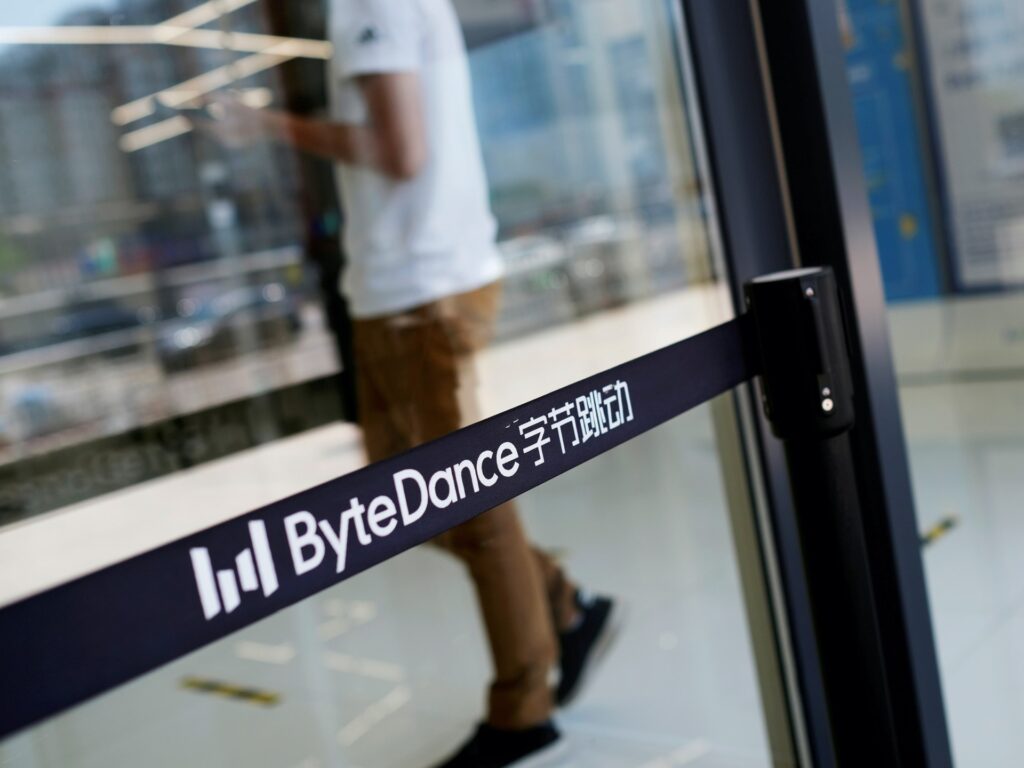
ByteDance, the parent company of popular platforms like TikTok, has pledged to address significant issues with its AI video generator, Seedance 2.0, after receiving criticism and copyright claims from Hollywood groups. These groups accuse the technology of using the likenesses of actors and industry professionals without securing the necessary permissions, raising legal and ethical red flags.
Seedance 2.0, ByteDance’s latest AI-powered video creation tool, has been touted as a groundbreaking platform capable of generating realistic video content by replicating human features and performances. However, this capability has sparked controversy over unauthorized use of personal likenesses and intellectual property, a concern strongly voiced by Hollywood agencies and unions.
These industry stakeholders have warned that Seedance 2.0 could potentially exploit the work and identities of actors, infringing on their rights and violating copyright laws. The technology’s ability to mimic real individuals without consent threatens both privacy norms and professional livelihoods within the entertainment sector.
In response to these mounting criticisms, ByteDance has announced a series of fixes and enhancements aimed at ensuring greater compliance with copyright and privacy standards. The company is working on implementing stronger safeguards to prevent illegal reproduction of protected likenesses and is actively engaging with legal experts and industry representatives to shape policy updates.
Key measures ByteDance plans to adopt include:
1. Stricter content moderation and review processes to filter out unauthorized likeness usage.
2. Improved transparency in how AI models are trained and what source materials are used.
3. Mechanisms to allow individuals to report misuse of their likeness and seek rapid remediation.
4. Partnerships with entertainment industry bodies to define acceptable use frameworks and licensing agreements.
Hollywood’s reaction to these promises has been cautiously optimistic, as stakeholders emphasize the need for enforcement and accountability beyond company pledges. They advocate for regulatory oversight to ensure that AI technologies do not undermine creative rights or cause harm to actors and other artists.
Meanwhile, the broader AI community is closely watching this development as a pivotal moment in balancing innovation with respect for intellectual property. The case highlights the complex challenges AI creators face in navigating copyright laws designed for traditional media but strained by the capabilities of modern synthetic media tools.
Experts suggest that ByteDance’s steps to rectify the issues in Seedance 2.0 could set important precedents for other companies developing similar AI content generation platforms. Clear policies and ethical use standards may emerge, fostering trust and legal clarity in this rapidly evolving technology space.
In conclusion, while Seedance 2.0 represents exciting technological progress in AI-driven video generation, it also underscores the critical need for responsible design and compliance with legal and moral standards. ByteDance’s ongoing efforts to address Hollywood’s copyright concerns will be closely monitored as a test case for the future integration of AI into creative industries.