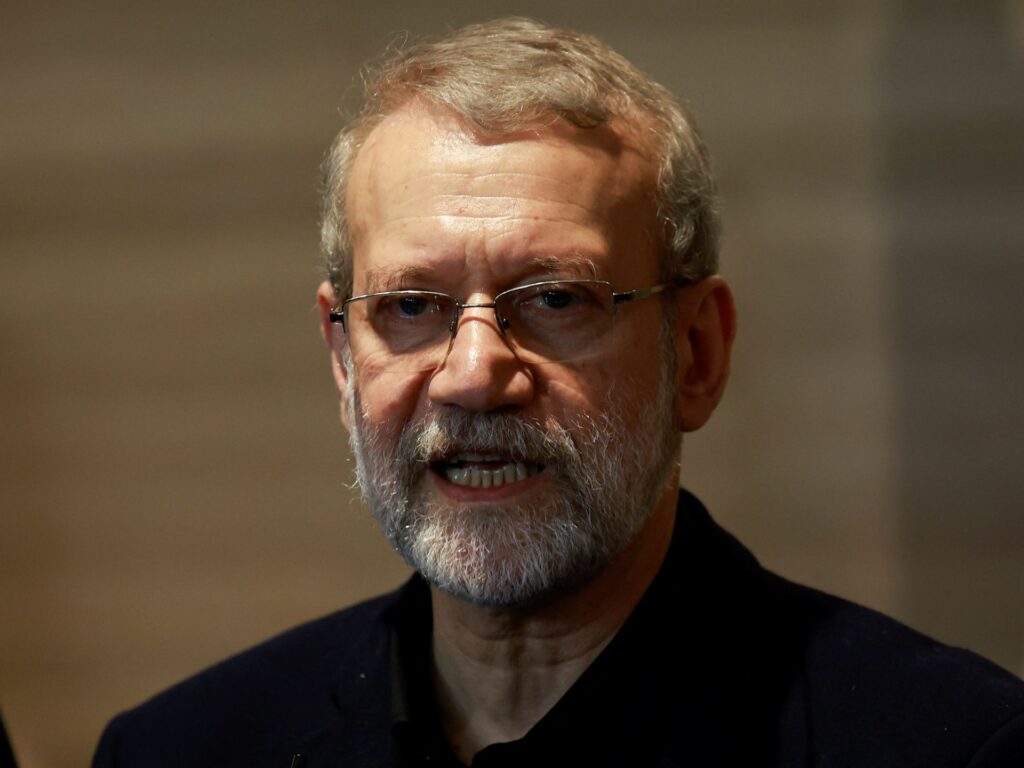
In a significant development amidst ongoing geopolitical tensions, Iran’s security chief Ali Larijani has publicly accused Israel of attempting to sabotage the United States’ nuclear negotiations with Tehran. Larijani claims that Israel’s alleged interference aims to trigger a destabilizing war in the region, undermining efforts to reach a peaceful resolution.
The backdrop of these accusations is the sensitive nuclear talks currently taking place, where the US and Iran are engaged in complex discussions to address Iran’s nuclear program. The US-led negotiations intend to prevent Iran from developing nuclear weapons, a matter of critical concern to international security.
Ali Larijani, a top intelligence official in Iran, has voiced concerns that Israel is deliberately working behind the scenes to derail the negotiations. According to Larijani, Israel perceives a successful agreement as a strategic loss, and therefore is trying to create conditions that would make talks collapse and possibly ignite conflict.
This accusation adds a new layer of tension to an already volatile region where multiple conflicting interests converge. Israel has repeatedly expressed strong opposition to any nuclear deal that would ease sanctions on Iran, fearing it would embolden Tehran’s regional influence.
The purported sabotage, as articulated by Larijani, involves covert operations designed to provoke instability and derail diplomatic efforts. While Israel has not directly commented on these allegations, the accusation reflects deep mistrust and the high stakes of the ongoing negotiations.
The international community views the US talks as a crucial opportunity to reduce nuclear risks and stabilize the Middle East. However, accusations like those from Larijani illustrate the challenges faced in navigating geopolitical rivalries.
Experts warn that if these tensions escalate, the likelihood of a broader regional conflict increases, which could have severe consequences for global peace and security. The situation demands cautious diplomacy to prevent escalation and to foster conditions conducive to constructive dialogue.
This development underscores the delicate balance in Middle East diplomacy, where actions by state and non-state actors can significantly influence the course of peace or conflict. As talks continue, all parties involved face the difficult task of overcoming mistrust and sabotage to achieve a sustainable resolution.
In summary, Ali Larijani’s accusations highlight the fragility of the US-Iran nuclear negotiations and the potential disruptive role of external actors such as Israel. The international community remains watchful, hoping for a diplomatic breakthrough that averts renewed conflict and promotes regional stability.