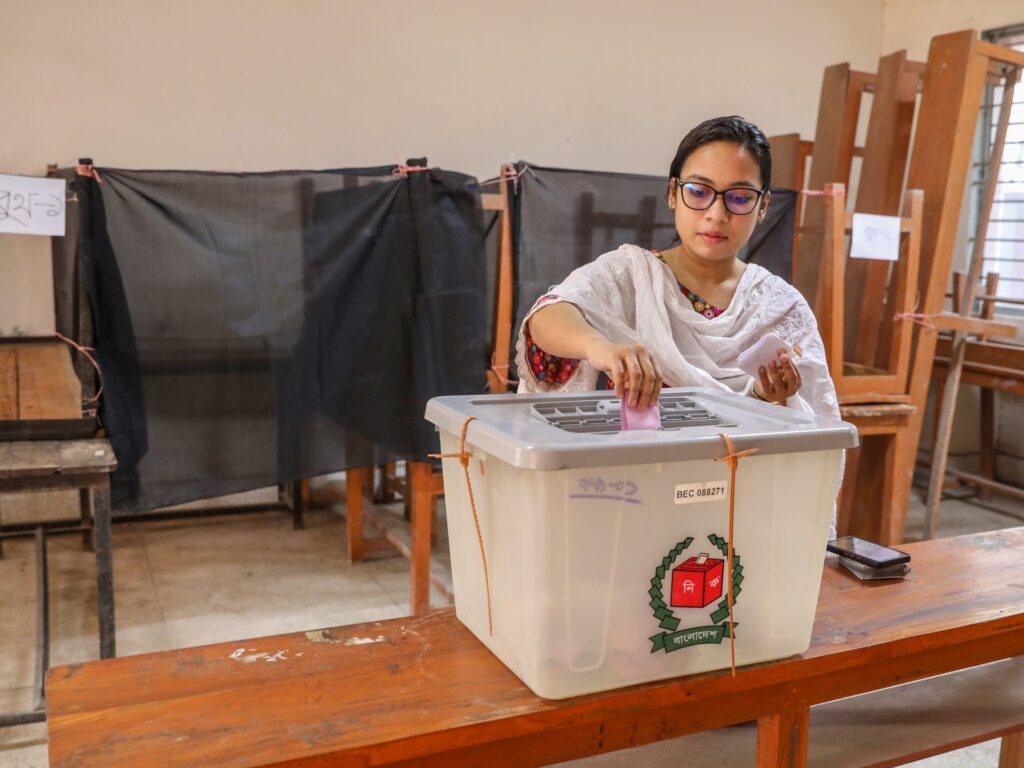
The Bangladesh General Elections of 2026 have entered a critical phase as voters across the nation head to the polls. A significant highlight today has been the voting of prominent political figures Shafiqur Rahman and Tarique Rahman, both key players in the current electoral battle.
The election has crystallized into a direct contest between Tarique Rahman’s Bangladesh Nationalist Party (BNP), widely regarded as the frontrunner, and a robust coalition led by Jamaat-e-Islami involving 11 allied parties. This coalition aims to challenge BNP’s dominance and possibly reshape the political landscape.
Shafiqur Rahman, a senior leader, also cast his vote, signaling active participation from notable figures across the political spectrum. His vote is symbolically important as it reflects the stakes for the coalition parties competing against the BNP.
The Bangladesh Nationalist Party’s campaign, spearheaded by Tarique Rahman, has focused on promises of political stability, economic reforms, and enhanced social welfare. Tarique Rahman, who enjoys substantial backing from various demographic groups, is seen as a polarizing yet influential figure.
On the other side, the Jamaat-e-Islami-led coalition has capitalized on alliances with 11 parties, presenting a united front. Their shared platform emphasizes conservative values, anti-corruption measures, and stronger governance frameworks, aiming to attract voters disillusioned with the status quo.
Election day has seen a high voter turnout, with citizens optimistic about shaping the future through their ballots. The Electoral Commission has taken stringent measures to ensure transparency and fairness, deploying observers and utilizing technology to monitor polling stations nationwide.
Security has been ramped up to prevent incidents of violence or intimidation, particularly given the heightened tensions between the competing parties. Both BNP and the coalition supporters have been urged to maintain peace and respect the democratic process.
The international community is closely watching Bangladesh’s elections, viewing them as a litmus test for democracy in the region. Observers from multiple countries and organizations are on-site to monitor proceedings and report on the election’s credibility.
As results trickle in, early indications suggest a tight race, highlighting the deeply divided electorate. Analysts predict that the outcome will have significant implications for Bangladesh’s domestic policies and international relations.
In summary, the 2026 Bangladesh elections have underscored the dynamic and evolving nature of the country’s democratic process. With key figures like Shafiqur Rahman and Tarique Rahman actively voting and the contest between BNP and the Jamaat-e-Islami-led coalition, the political future remains uncertain but promising.
Citizens await the final results with hopeful anticipation, understanding that these elections could chart a new course for Bangladesh’s development and governance in the coming years.