The United States has reopened its airspace over El Paso following a temporary closure prompted by claims of drone infiltration by a drug cartel. The closure, enacted during the Trump administration, was a rapid response to alleged threats posed by the use of drones for illicit activities near the border. However, the swift reversal of this decision has raised questions about the validity and legitimacy of the initial claims made regarding foreign drone incursions.
The initial closure was intended to safeguard against potential dangers posed by unmanned aerial vehicles allegedly operated by drug cartels to surveil or smuggle contraband across the US-Mexico border. The federal government’s move sought to mitigate risks to public safety, law enforcement operations, and national security interests in the border region.
Critics and experts have since expressed skepticism about the evidence supporting these drone infiltration claims. Some have questioned whether the threat was exaggerated or whether the closure was more of a political maneuver rather than a necessary security measure. The debate intensifies, highlighting how border security concerns often intersect with political and public perception.
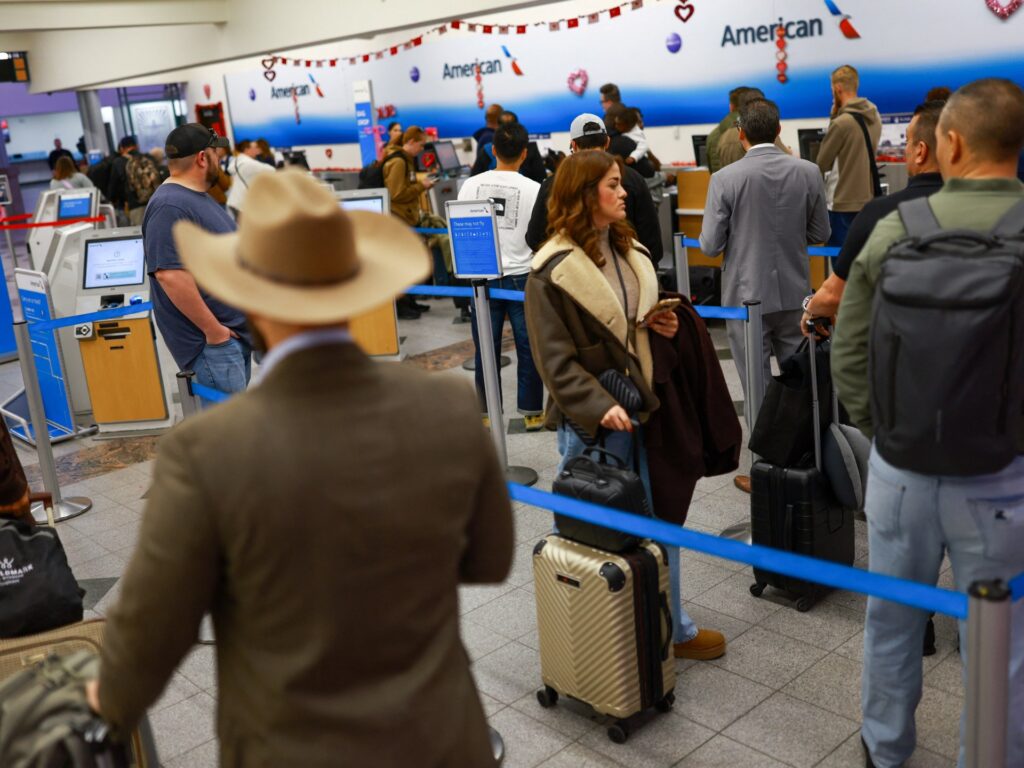
The reopening of airspace over El Paso signals a rollback to normal operations and brings relief to commercial aviation, general aviation pilots, and travelers who were affected by the restriction. Authorities stress that they continue to monitor border security closely and evaluate technologies for effective detection and countermeasures against illicit drone activities.
This incident underscores the complexities of border security between the United States and Mexico, illustrating the challenges in balancing national security with commerce and everyday life. As drone technology evolves, so too do the tactics of those attempting to exploit it, necessitating adaptable and evidence-based policy responses.
While the immediate threat has been downplayed through the reopening of airspace, officials maintain that vigilance remains paramount. They emphasize cooperation among federal agencies, local law enforcement, and border security personnel to address ongoing and emergent security issues.
The brief closure and prompt reversal also highlight the importance of transparency and accuracy in public communication regarding security threats. The case serves as a reminder that policy decisions, particularly those impacting public mobility and perception, must be grounded in verified intelligence and assessed risks.
As the US continues to address border concerns, the integration of advanced surveillance and detection technologies will likely play a critical role in preventing illicit cross-border activities. Meanwhile, policymakers and the public alike remain attentive to how emerging threats are managed and communicated.
In conclusion, the reopening of the airspace above El Paso following the disputed cartel drone infiltration claim illustrates a dynamic intersection of security, politics, and technology. It provides an opportunity to reassess strategies and ensure that future responses are calibrated to both the realities on the ground and the imperatives of ensuring safety and open airspace for all.