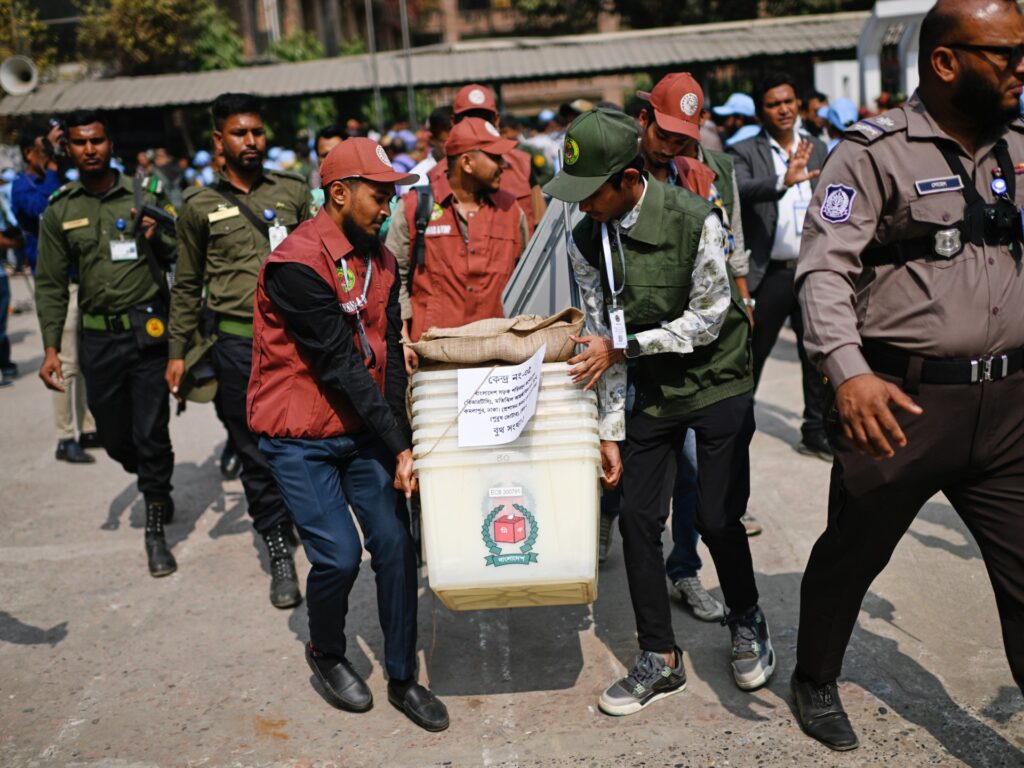
Bangladesh is preparing for a pivotal moment in its political history as it tightens security measures ahead of the forthcoming national election. This election is particularly significant as it is the first to be held since a major mass uprising in 2024, which led to the end of Prime Minister Sheikh Hasina’s 15-year rule.
The 2024 uprising was a watershed event in Bangladesh’s political landscape, marking the conclusion of a long tenure by Hasina and ushering in a period of considerable change. The movement, driven by widespread demand for reform and greater political accountability, galvanized citizens across the country to advocate for democratic renewal.
In the lead-up to the election, authorities have increased security across key regions to ensure a peaceful voting process. This includes deploying additional police forces, establishing secure voting stations, and monitoring potential hotspots for unrest. The government has emphasized the importance of maintaining order and protecting citizens’ rights to vote freely and safely.
Election officials have also been coordinating with international observers to oversee the electoral process, aiming to bolster the election’s credibility and transparency. This cooperation is intended to reassure both the domestic population and the international community about the integrity of the vote.
Political parties are actively campaigning, with candidates debating on a variety of critical issues such as economic development, education reform, and anti-corruption measures. The political climate is charged yet hopeful, as many citizens look forward to participating in a democratic process that reflects their aspirations for change.
Civil society organizations have been instrumental in voter education efforts, ensuring that people are informed about the voting process and the significance of their participation. These initiatives have been particularly focused on encouraging youth and marginalized communities to engage in the electoral process.
Experts note that this election could set the tone for Bangladesh’s future political direction and governance style. The outcome may influence policies that address longstanding socio-economic challenges and the country’s role on the global stage.
As Bangladesh navigates this historic election, the world watches closely. The successful execution of a free and fair election could reinforce the country’s commitment to democracy and provide a model for other nations undergoing political transitions.
In summary, Bangladesh’s heightened security measures and inclusive preparations underscore a national determination to conduct an election that is peaceful, transparent, and reflective of the people’s will. The election stands as a critical milestone in the nation’s democratic evolution following a transformative uprising.