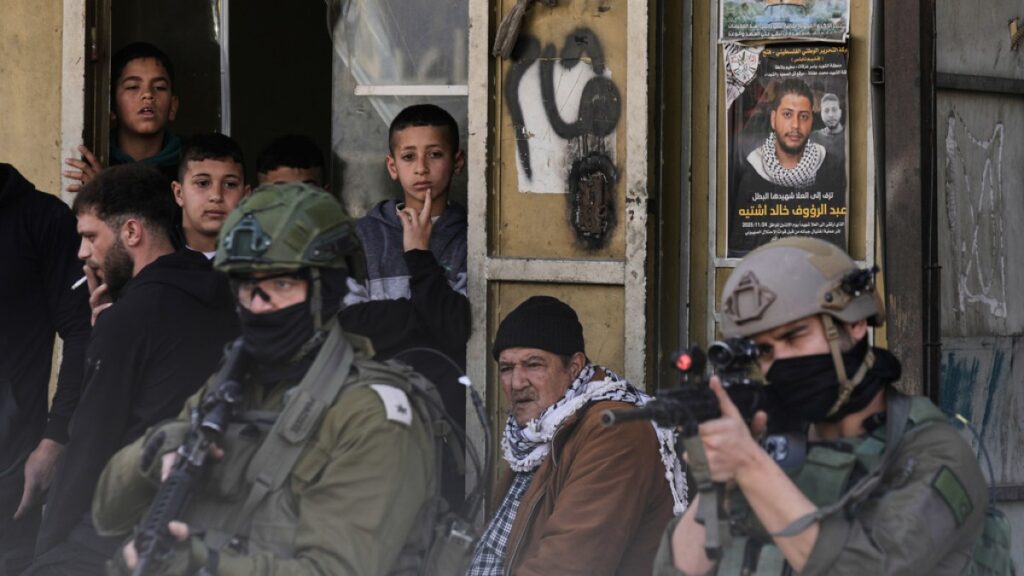
In a recent appeal to the international community, Palestinian authorities have urged influential global partners to intervene and prevent Israel’s ongoing efforts to annex parts of the West Bank. This move, they argue, threatens to exacerbate instability and violence in the already volatile region.
The situation escalated during a session at the United Nations, where representatives from the group of Islamic nations highlighted concerns about Israel’s expanding control in the occupied territories. They warned that such actions could derail peace efforts and further entrench conflict.
Palestine views the annexation push as a violation of international law and a direct challenge to the Palestinian quest for statehood. The contested areas in the West Bank have long been a focal point of Israeli-Palestinian tensions, with settlements and territorial claims frequently sparking disputes.
The Islamic nations group, representing a coalition of countries with vested interests in Middle Eastern affairs, called upon the UN and the global community to adopt stronger measures to discourage any unilateral moves by Israel. They emphasized that the annexation could ignite widespread violence, affecting not just the immediate area but the broader region.
Israeli officials have defended their policies, asserting security concerns and historical claims as justification for their actions. However, international observers and many countries have expressed alarm over the potential implications for peace negotiations and regional stability.
Analysts note that the annexation could further complicate the two-state solution framework, which has been the cornerstone of diplomatic efforts for decades. The move could alienate moderate voices and embolden extremist factions on both sides.
Human rights organizations have also condemned the annexation plans, citing the impact on Palestinian communities, including displacement, restrictions on movement, and access to resources. They call for renewed dialogue and respect for international agreements.
The UN Security Council has been urged to convene and address the issue with urgency, but divisions among member states have so far hindered decisive action. The prospect of vetoes by permanent members complicates efforts to reach a unified stance.
Regional leaders have expressed concern over the potential for escalating violence, fearing a new cycle of conflict that could spill over into neighboring countries. Humanitarian groups warn of worsening conditions for civilians caught in the crossfire.
In response to the call from Palestine and allied Islamic nations, several countries have reiterated their support for Palestinian rights and condemned unilateral actions undermining peace. Diplomatic channels remain active, seeking ways to de-escalate tensions.
The international community faces a critical juncture as it confronts the implications of Israel’s West Bank policies. The coming weeks are likely to see intensified diplomatic efforts, debates at the UN, and possibly increased grassroots activism.
Ultimately, the peace and stability of the Middle East hinge on resolving these disputes with respect for sovereignty, justice, and mutual recognition. The world watches closely as powerful partners are called upon to act decisively to prevent further annexation and foster a durable peace.