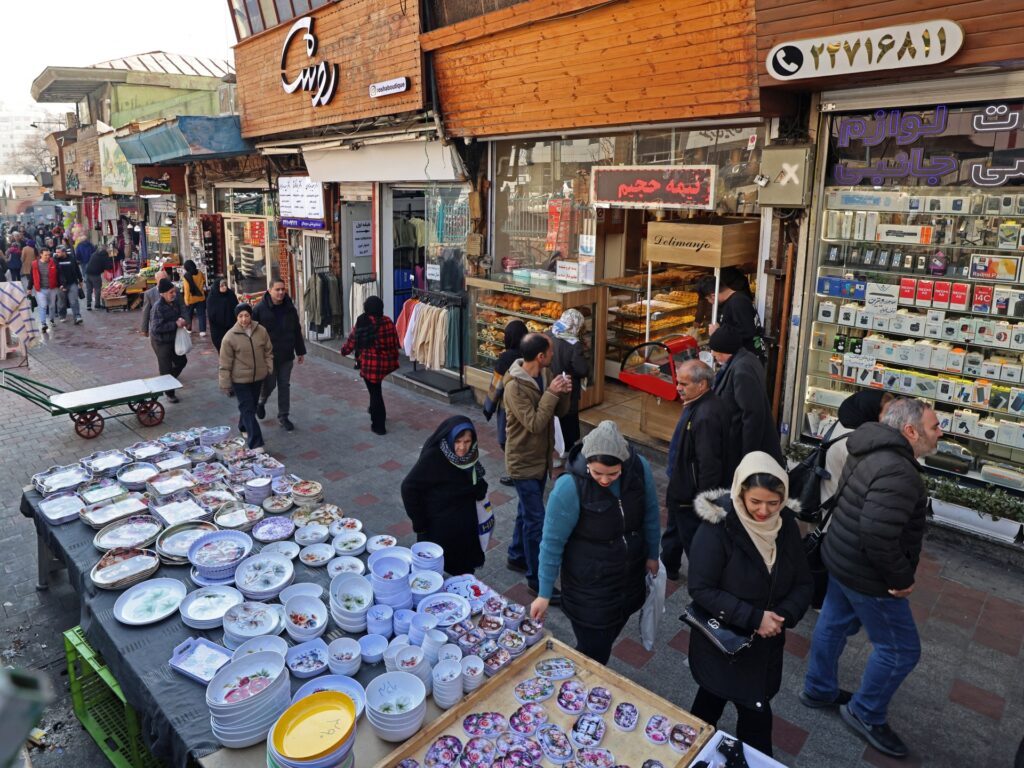
In response to ongoing nationwide protests, Iran has taken a stringent step by shutting down numerous private businesses, especially those that either participated in strikes or showed solidarity with the protests through online support. This decision marks a significant escalation in the government’s efforts to stifle dissent amid a deepening economic crisis. The protests have been fueled by widespread frustration over economic hardship, including high inflation, unemployment, and diminishing living standards, which have severely impacted everyday life in the country.
The closures signal an attempt by the authorities to clamp down on the momentum of the protests which have garnered significant public and international attention. Many of the businesses affected were small to medium enterprises that played a crucial role in the national economy and local communities.
Economic experts warn that this shutdown could exacerbate the already fragile economic condition, potentially leading to further business failures, job losses, and decreased consumer confidence. The move has sparked concern among international observers about the stability of Iran’s economic and political future.
The Iranian government maintains that the actions are necessary to maintain public order and national security, viewing the protests as a threat to stability. However, human rights organizations have criticized the shutdowns as punitive measures aimed at suppressing free expression and economic freedom.
This development comes at a time when Iran’s economy is struggling under the weight of international sanctions, reduced oil exports, and internal challenges. With private businesses playing a key role in economic resilience, their closure could hinder efforts to revive and stabilize the economy.
As the situation unfolds, both domestic and global stakeholders are watching closely, recognizing that the economic and social implications of this crackdown may resonate far beyond Iran’s borders. The shutdown of private businesses in response to civil unrest is a stark reminder of the complex interplay between economic conditions and political stability in the region.