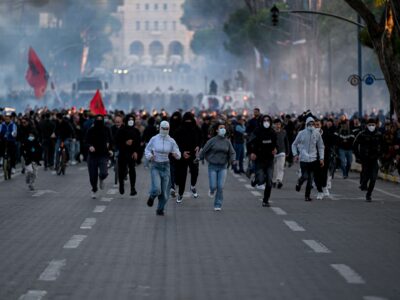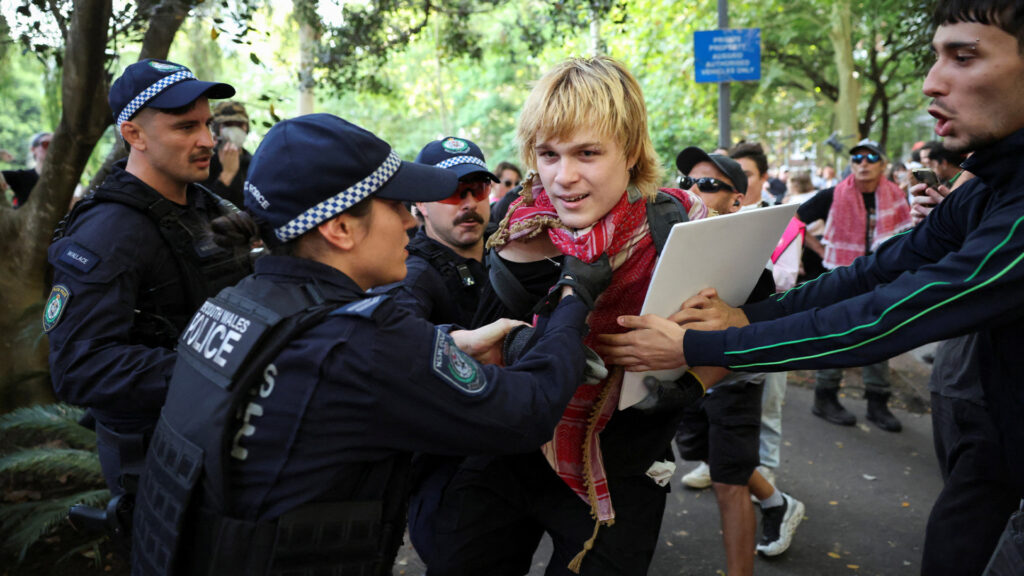
Australian police have come under intense scrutiny following a forceful crackdown on pro-Palestinian protests that took place recently. The demonstrations, held in various cities across the country, aimed to show solidarity with Palestinians amid ongoing conflicts in the Middle East. However, the police response has sparked widespread criticism and raised questions about the use of force and the protection of citizens’ rights to peaceful assembly.
The protests, which drew thousands of participants, were initially peaceful but escalated when police intervened aggressively. Video footage circulating on social media shows officers using batons, physical force, and in some cases, reportedly kicking and beating protesters. Several individuals were injured and detained during these confrontations.
Human rights groups and community leaders have condemned the police actions, calling for an independent investigation into the incidents. Critics argue that the police response was disproportionate and infringed upon the protesters’ right to express their views without fear of violence.
Officials from the Australian government have acknowledged the concerns and stressed the importance of maintaining law and order while respecting civil liberties. The police department has pledged to review their tactics and ensure accountability for any excessive use of force.
This incident has intensified the ongoing debate about law enforcement’s role in managing public demonstrations and the balance between security and freedom of expression. Many activists warn that such measures may deter legitimate protests in the future and undermine public trust in the police.
In the broader context, these events reflect global tensions surrounding the Israeli-Palestinian conflict and demonstrate how international issues can spark domestic unrest and legal challenges. Australia, known for its multicultural society and democratic values, now faces the challenge of navigating these complex dynamics while upholding human rights standards.
As investigations proceed, the public awaits clarity on the facts and accountability for the actions taken during the protests. The outcome may set important precedents for how police handle demonstrations and how citizens engage in advocacy within a democratic framework.
The situation remains fluid, with additional protests and community reactions expected in the coming days. Stakeholders continue to call for dialogue, restraint, and a commitment to peaceful resolution in light of these troubling developments.