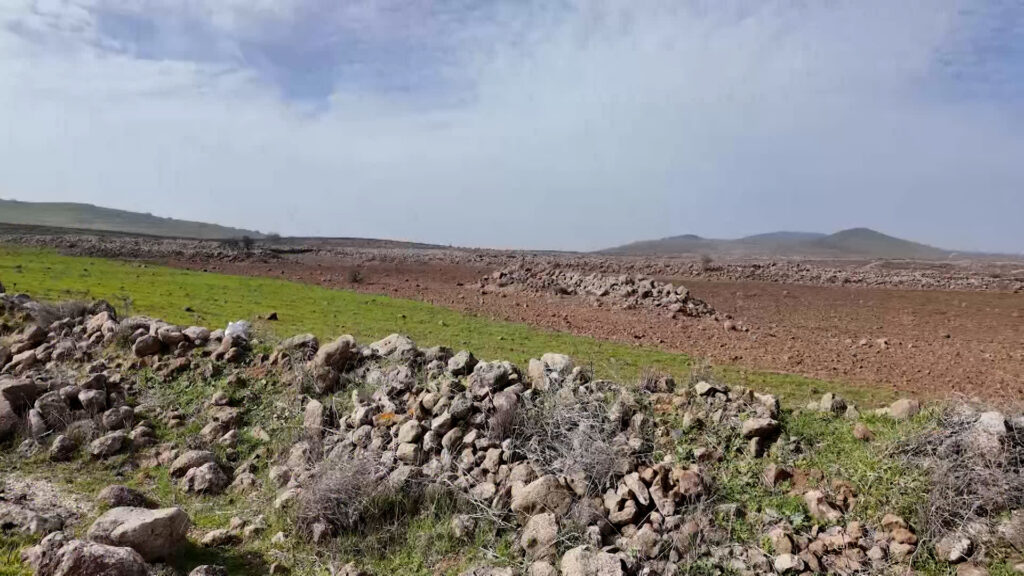
Recent accusations have emerged against Israel, claiming that it is engaging in the spraying of chemicals on farmland located within Syrian and Lebanese territories. These actions allegedly aim to destroy crops and plants, significantly impacting the agricultural landscape of the affected regions. The accusations have raised concerns among local communities, who rely heavily on farming for their livelihood and food security.
Reports state that Israel’s purported chemical spraying is not only a direct attack on the agricultural economy but also poses environmental hazards, potentially leading to soil degradation and long-term damage to the ecosystem. The affected areas in Syria and Lebanon encompass fertile lands that have historically been essential for both subsistence and commercial agriculture.
The allegations come amid ongoing regional tensions, where agricultural sabotage is viewed as a tactic to weaken neighboring states economically and socially. Local authorities and farmers have condemned the alleged actions, highlighting the detrimental effects on their ability to sustain crops and maintain healthy soil conditions.
International response has been mixed, with calls for investigation into the matter to verify the claims and assess the extent of the damage. Environmental experts warn that the use of harmful chemicals without proper regulation can lead to a cascade of ecological problems, such as water contamination and loss of biodiversity.
Humanitarian organizations have also expressed concern regarding the impact on food security in the region. With agriculture being a critical sector for many rural communities in Syria and Lebanon, disruption caused by chemical spraying could exacerbate existing economic hardships and contribute to food shortages.
While Israel has not officially confirmed or denied the accusations, the situation underscores the broader conflict dynamics in the region, where environmental warfare tactics potentially add another layer of complexity to the ongoing disputes.
In summary, the accusations against Israel highlight a grave concern over the environmental and humanitarian consequences of chemical spraying on farmland in Syria and Lebanon. The international community awaits further investigations and hopes for a resolution that safeguards the agricultural livelihoods and ecological health of the affected areas.