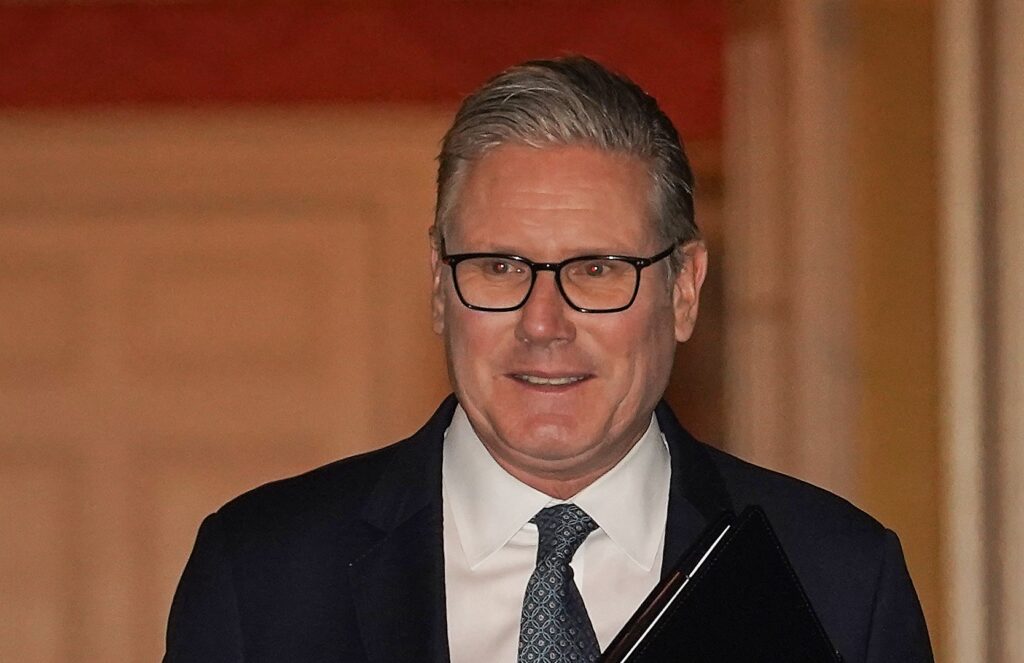
In a dramatic turn of events, UK Labour Party leader Keir Starmer recently confronted a significant leadership challenge that, at one point, seemed poised to unseat him. The episode, however, eventually unraveled, revealing a complex web of political intrigue and fallout that extended far beyond the borders of the United Kingdom.
The controversy reportedly began within the ranks of Starmer’s senior colleagues, with whispers of dissent escalating into a full-blown push to overthrow the party leader. Surprisingly, a senior aide was implicated in attempting to orchestrate a coup against Starmer, shaking the Labour Party’s leadership to its core. The failed attempt not only exposed deep divisions within the party but also highlighted the immense pressures Starmer faces as he navigates Britain’s challenging political landscape.
Adding to the turmoil, several top aides loyal to the coup plotters have tendered their resignations in the wake of the failed bid. These departures have left the party scrambling to maintain cohesion and stability as questions mount about the motivations and consequences of the internal power struggle.
The ripple effects of this political crisis have extended well beyond the UK, linked in part to ongoing revelations from the highly sensitive and controversial Jeffrey Epstein file investigations. These files, which have rocked political establishments across the globe, have contributed to a climate of suspicion and mistrust within the Labour Party’s upper echelons.
Experts suggest that the Epstein files have impacted the UK political scene by casting a shadow over influential figures, some of whom are believed to have connections to the scandal. The involvement of these files in the narrative surrounding Starmer’s leadership challenge demonstrates how global scandals can have far-reaching domestic repercussions.
Political analysts argue that the party’s instability highlights the vulnerabilities of party leaders in times of widespread political and social unrest. Starmer’s ability to survive the leadership challenge, despite the internal dissent, may ultimately reinforce his position but also underscores the ongoing challenges of navigating political alliances and public perception.
The Labour Party’s struggle is emblematic of broader tensions affecting democratic institutions worldwide, where political leaders often face challenges not only from their opponents but also from within their own parties, particularly in the shadow of major scandals.
As the dust settles, all eyes will be on Starmer to see how he manages to restore confidence within his party and among the British public. His next steps will be critical in determining whether the Labour Party can regain its footing and present a unified front ahead of future elections.
This episode serves as a stark reminder of the fragile nature of political leadership in an era marked by rapid information flow, heightened public scrutiny, and the intricate entanglements of international scandals. It also reinforces the need for transparency and accountability in political leadership to maintain public trust in democratic processes.
In conclusion, the attempted coup against Keir Starmer, though never fully realized, has exposed vulnerabilities within the Labour Party and the wider UK political environment. The influence of external scandals like the Epstein files demonstrates the complex interplay between global and domestic politics. Moving forward, the Labour Party and its leader face the formidable task of rebuilding trust and stability to navigate the uncertain political landscape ahead.