Tensions are rising as Russia issues a warning about the critical fuel situation facing Cuba, while the Cuban government has harshly criticized the United States’ tactics, describing them as ‘cruel’. This development marks a significant chapter in the ongoing geopolitical struggle influencing Cuba’s economic stability.
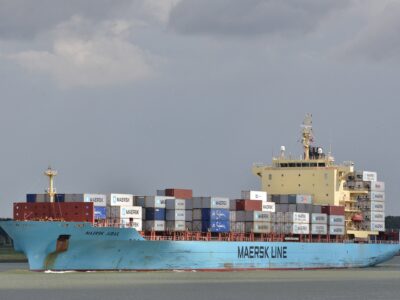
Russia, a longtime ally of Cuba, has highlighted that Cuba is currently grappling with a severe shortage of fuel, which threatens essential services and impacts the daily lives of Cuban citizens. This fuel crisis has put considerable strain on the island nation’s infrastructure, including transportation, electricity generation, and overall economic productivity.
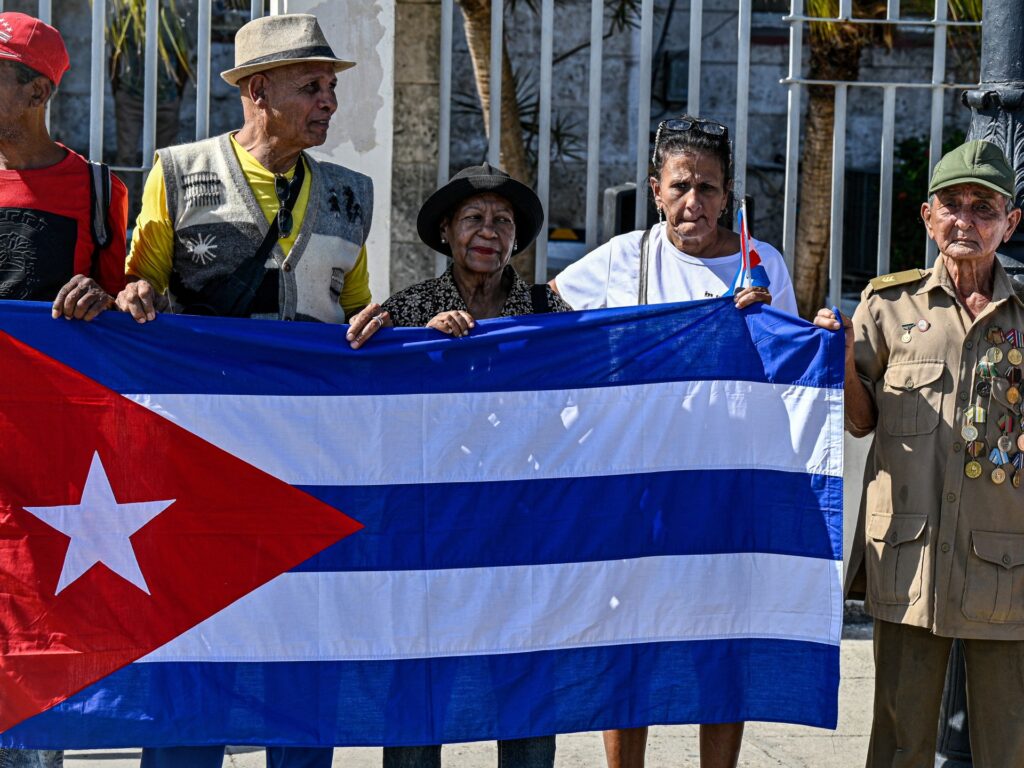
In response, the Cuban foreign minister has publicly accused the United States of employing aggressive and punitive measures aimed at undermining the sovereignty and political resolve of the Cuban people. The minister specifically referred to what Havana terms “cruel” tactics, implying that economic sanctions and other restrictive policies have exacerbated the fuel shortage and broader economic hardships.
The geopolitical context of these events stems from decades of strained relations between Cuba and the United States, with economic embargoes being a principal tool used by the US to pressure the Cuban government toward political reforms. However, Cuba’s leadership remains defiant, asserting that such external pressures only strengthen their political will and sovereignty.
Despite the harsh rhetoric, the Cuban foreign minister has hinted at a possible opening for diplomacy with Washington. This suggestion indicates a potential shift toward dialogue, although no concrete steps or timelines have been announced. The prospect of diplomatic engagement could be a critical development amid the ongoing humanitarian and economic challenges Cuba faces.
Experts note that Cuba’s dependence on external fuel supplies, primarily from allies like Russia and Venezuela, makes it vulnerable to fluctuations in geopolitical alliances and economic conditions. The current crisis underscores the fragility of Cuba’s energy security.
The international community watches closely as these developments unfold, given Cuba’s strategic position in the Caribbean and the broader implications for US-Cuba relations. Any movement toward dialogue could pave the way for easing tensions and possibly restoring assistance that alleviates the dire fuel shortage.
In conclusion, Russia’s warning about the critical fuel shortage and Havana’s accusations against the US highlight the complex interplay between geopolitics and economic survival for Cuba. While tensions remain high, the hinted diplomatic overture offers a glimmer of hope for resolving some of these issues through negotiation rather than confrontation.