Somalia and Saudi Arabia have signed a significant Memorandum of Understanding (MOU) aimed at enhancing military cooperation between the two nations. This agreement marks a pivotal step in strengthening defense collaboration, intelligence sharing, and joint military exercises, as Somalia seeks to bolster its regional alliances.
The timing of the MOU is especially critical in light of recent geopolitical developments. Somalia has been facing increased challenges following Israel’s recognition of Somaliland, a breakaway region in northern Somalia. This move by Israel has stirred political tensions and forced Somalia to seek support from strategic partners to uphold its sovereignty and territorial integrity.
Somaliland declared independence from Somalia in 1991, but it has not been internationally recognized as a sovereign state. The recognition by Israel is viewed by Somalia as an infringement on its national unity and has complicated regional dynamics.
In response, Somalia’s government has been actively pursuing regional cooperation to counterbalance the diplomatic setback. The agreement with Saudi Arabia underscores Somalia’s intention to leverage regional partnerships to reinforce its military capabilities and security infrastructure.
Saudi Arabia, a key player in the Middle East and Africa, has expressed its commitment to supporting Somalia’s efforts to maintain stability and security. The MOU includes provisions for capacity building, military training, joint operations against common threats, and enhanced communication channels between the armed forces of both countries.
Experts view this partnership as a strategic move that aims to underscore Somalia’s resilience against external pressures and enhance its regional security. The collaboration also reinforces Saudi Arabia’s role as a stabilizing influence in the Horn of Africa, a region of strategic importance due to its proximity to critical maritime routes and ongoing conflicts.
Additionally, the military cooperation agreement is expected to facilitate counter-terrorism efforts against extremist groups operating in Somalia, including Al-Shabaab, which continues to pose a significant threat to the country’s peace and security.
The MOU also reflects a broader trend of increased military and diplomatic engagements between African nations and Gulf countries, addressing mutual security concerns and fostering economic and political ties.
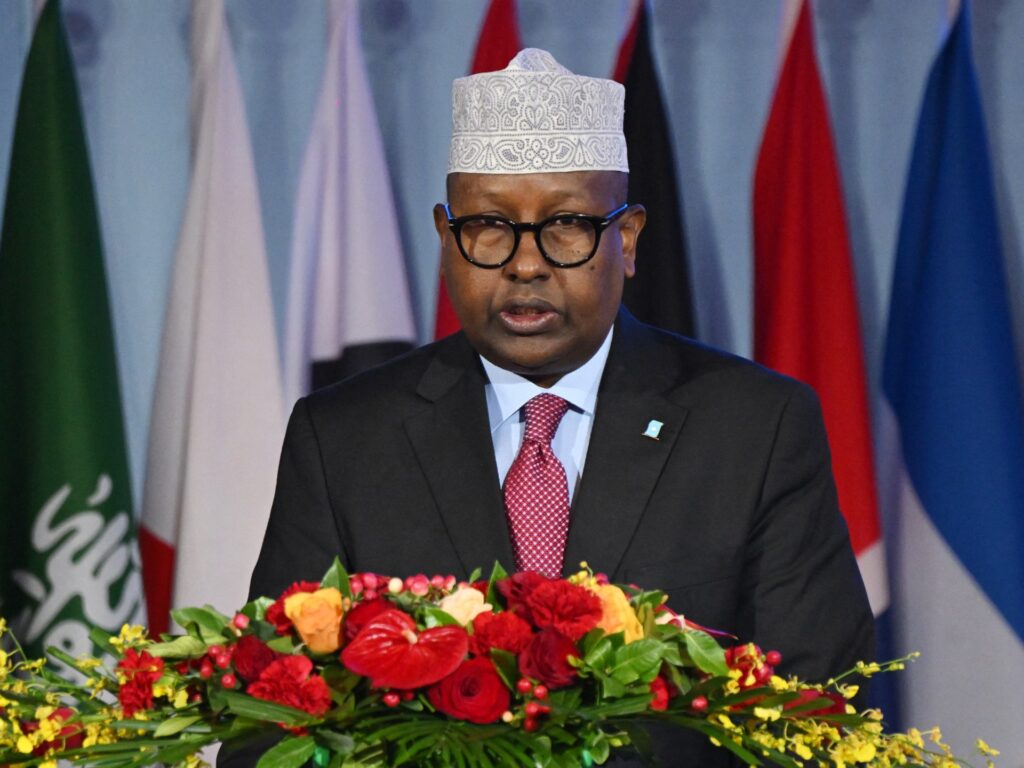
Somalia’s foreign minister stated that the agreement with Saudi Arabia sends a clear message of regional solidarity in the face of external diplomatic challenges and internal security threats. The move is anticipated to pave the way for more robust cooperation frameworks in the future.
This development is being closely monitored by neighboring countries and international partners, as it may influence the balance of power and diplomatic alignments in the Horn of Africa region.
In conclusion, the signing of the military cooperation agreement between Somalia and Saudi Arabia is a strategic step aimed at reinforcing Somalia’s defense potential amid rising geopolitical tensions. It highlights the importance of regional collaboration in addressing security challenges and upholding national sovereignty in complex international environments.