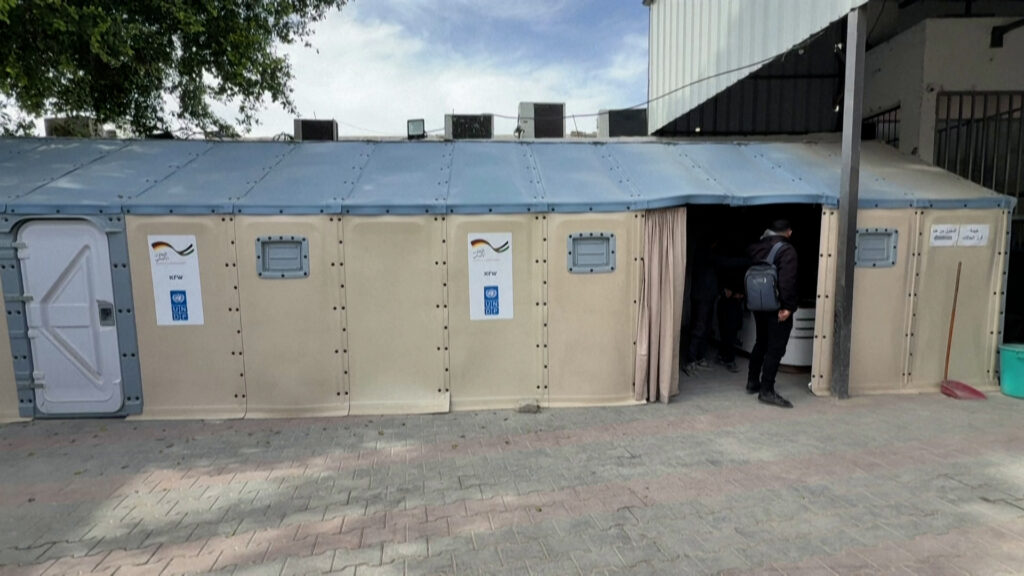
The United Nations has taken a significant step in addressing the humanitarian needs of displaced Palestinians in Gaza City by installing the first batch of relief housing units. This initiative aims to provide immediate shelter and support to families uprooted by ongoing conflicts and instability in the region. These modular housing units are designed to offer safety, privacy, and dignity to those forced to leave their homes.
The installation of these housing units marks a crucial milestone in the UN’s broader relief efforts, which focus on not only meeting urgent housing needs but also ensuring access to essential services such as water, sanitation, and healthcare. The displaced families, many of whom have lost everything, now have a temporary but stable place to live as they await longer-term solutions.
The situation in Gaza remains challenging, with recurrent escalations contributing to widespread destruction and displacement. The UN’s relief housing units provide a beacon of hope amid uncertainty, allowing families to rebuild their lives with a semblance of normalcy.
Each unit is equipped to withstand the local climate and includes basic amenities designed for comfort and functionality. The UN and its partners are working closely with local authorities and communities to identify the most vulnerable households and ensure that aid reaches those in greatest need.
This deployment comes amidst an urgent call for increased international support to aid Gaza’s population. The UN continues to advocate for sustained humanitarian access and protection of civilians to prevent further displacement.
Relief housing units not only address immediate shelter needs but also symbolize a commitment to uphold the rights and dignity of displaced persons. They provide a foundation upon which families can begin to restore their livelihoods and plan for the future.
The ongoing conflict has left many families homeless and struggling. The UN’s intervention is vital in bridging the gap between emergency relief and durable solutions. Alongside the housing units, efforts to restore infrastructure, provide psychosocial support, and rebuild community services are underway.
The success of this initiative depends on continued collaboration among international agencies, donors, and local stakeholders. With adequate funding and support, the UN aims to scale up the provision of relief housing across Gaza, ensuring that thousands more displaced families can benefit.
In conclusion, the installation of these first relief housing units by the United Nations represents hope and resilience for Gaza’s displaced families. While temporary, these shelters are a critical lifeline, providing stability and security in a time of profound uncertainty. The international community’s ongoing commitment will be essential in transforming this relief effort into lasting recovery and peace for the people of Gaza.