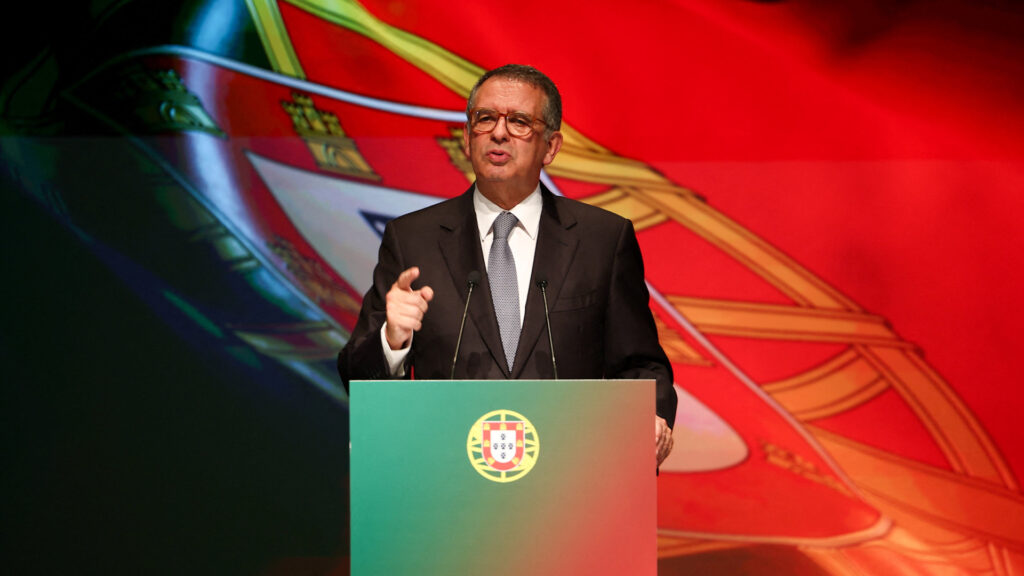
In a significant political development, Portugal has elected Antonio Jose Seguro, a candidate from the centre-left Socialist Party, to a five-year presidential term. This election result marks a clear victory for the Socialist Party and a setback for far-right movements in the country.
The election was closely watched both domestically and internationally, as Portugal’s political landscape has witnessed growing polarization between centre-left and far-right factions. Seguro’s victory reflects the electorate’s preference for moderate and progressive policies over the more extreme positions advocated by far-right candidates.
Antonio Jose Seguro is a seasoned politician known for his commitment to social justice, economic reform, and strengthening Portugal’s ties within the European Union. His campaign emphasized the importance of unity, social cohesion, and addressing economic inequalities, themes that resonated deeply with voters concerned about the future direction of the country.
The defeat of the far-right candidate signifies waning support for nationalist and populist ideologies that have gained traction in parts of Europe in recent years. Analysts suggest that Portuguese voters prioritized stability and pragmatic governance amid ongoing challenges such as economic recovery, healthcare, and education reforms.
This electoral outcome could have broader implications for Portuguese politics and the European political landscape. It suggests a potential consolidation of centre-left politics in Portugal and a pushback against the surge of far-right influences seen elsewhere.
Political observers highlight that the election result demonstrates the resilience of democratic institutions in Portugal and the capacity of voters to endorse moderate leadership committed to inclusive policies.
Antonio Jose Seguro’s presidency is expected to focus on enhancing social welfare programs, environmental sustainability, and fostering economic growth while maintaining Portugal’s active role in the European Union.
The election also underscores the importance of voter engagement and the impact of grassroots campaigning in shaping the country’s political future.
As President Seguro assumes office, expectations are high for him to guide Portugal through the complexities of the 21st century with a vision that promotes equity, innovation, and international cooperation.
This election result has been welcomed by many as a positive step toward stability and progressive change in Portugal, contrasting with the rise of far-right parties in other parts of Europe.
In summary, Portugal’s decision to elect Antonio Jose Seguro of the Socialist Party marks a pivotal moment, reflecting the electorate’s desire for moderate leadership and signaling a defeat for far-right politics in the country.