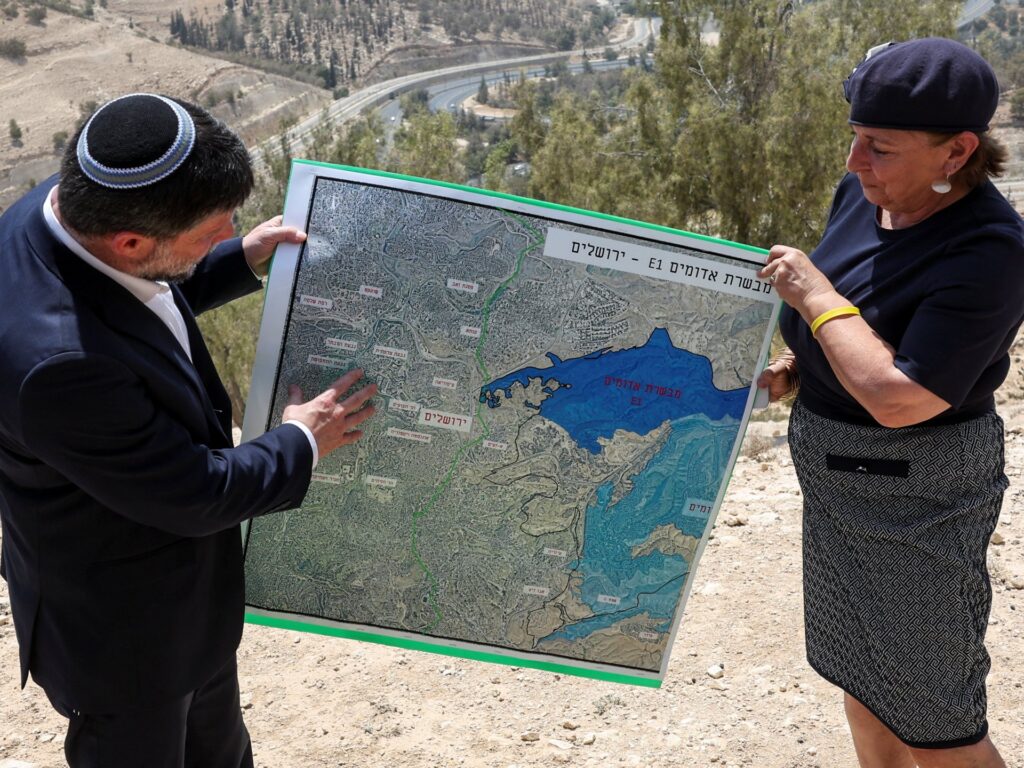
The Israel security cabinet has recently approved a set of new rules aimed at increasing Israeli control over the West Bank. This decisive move comes as part of Israel’s efforts to strengthen its security measures in the contested territory, which has long been a focal point of Israeli-Palestinian tensions.
The approved regulations are designed to provide Israeli authorities with enhanced powers to govern activities in the West Bank, potentially impacting settlement expansion and administrative control in the region. The exact nature of the rules includes more stringent security protocols and adjustments to the legal framework concerning settlement regulations.
This development has sparked immediate reactions from Palestinian leadership. The Palestinian presidency condemned the decision, describing it as a “dangerous” attempt by Israel to “legalize settlement expansion.” According to Palestinian officials, this move represents an escalation in policies that undermine Palestinian claims and rights in the West Bank.
International observers have also expressed concern, noting that the new rules could complicate efforts toward peace negotiations and further destabilize the already tense relations between Israel and the Palestinians. The issue of settlements has historically been one of the most sensitive and contentious topics in peace talks.
For years, the West Bank has been a disputed territory with both Israelis and Palestinians asserting claims. Israel controls significant portions of the land, including settlements that many in the international community consider illegal under international law, though Israel disputes this.
The Israeli government argues that these new measures are crucial for security and maintaining order in a region that has experienced frequent violence and unrest. They assert that controlling settlement activities and fine-tuning administrative controls will help reduce tensions and prevent attacks.
Meanwhile, Palestinian residents and leadership fear that these rules will entrench Israeli presence and further limit the possibility of establishing a sovereign Palestinian state. They worry that the expansion of settlements, now potentially bolstered by legal changes, diminishes the territorial contiguity needed for a future independent state.
Human rights organizations and activists have also voiced concerns. They interpret the Israeli security cabinet’s decision as a step that could accelerate dispossession and displacement of Palestinian communities.
The new rules reportedly include tighter restrictions on Palestinian construction and land usage, expanded authority for Israeli military and civil administrators, and streamlined processes to approve settlement projects. This may lead to an increase in settlement activities under the protection of new legal endorsements.
Diplomatic responses from various countries have ranged from cautious statements encouraging dialogue to outright condemnation of the legal adjustments. The United Nations and the European Union have reiterated their support for a two-state solution and emphasized the importance of respecting international laws regarding settlements.
On the ground, the new measures are expected to shift the status quo, challenging the delicate balance of control between Israeli security forces, settlers, and the Palestinian population. Security forces may increase their presence to enforce the new protocols, which could lead to heightened confrontations.
Local Palestinian communities express fear and frustration, anticipating further hardships in daily life, restrictions on movement, and potential displacement. Settler groups, on the other hand, welcome the changes, viewing them as validation and protection of their presence in the West Bank.
The long-term impacts of these rules remain to be seen. Analysts suggest that this could either harden divisions or push stakeholders toward renewed negotiations if accompanied by broader diplomatic initiatives.
In summary, the approval of new rules by the Israeli security cabinet aimed at enhancing control in the West Bank has heightened tensions and sparked international concern. It marks another pivotal moment in the complex and ongoing dispute between Israelis and Palestinians over land, security, and sovereignty. The situation requires careful monitoring as developments unfold, and responses from international actors and local communities continue to shape the future of the region.