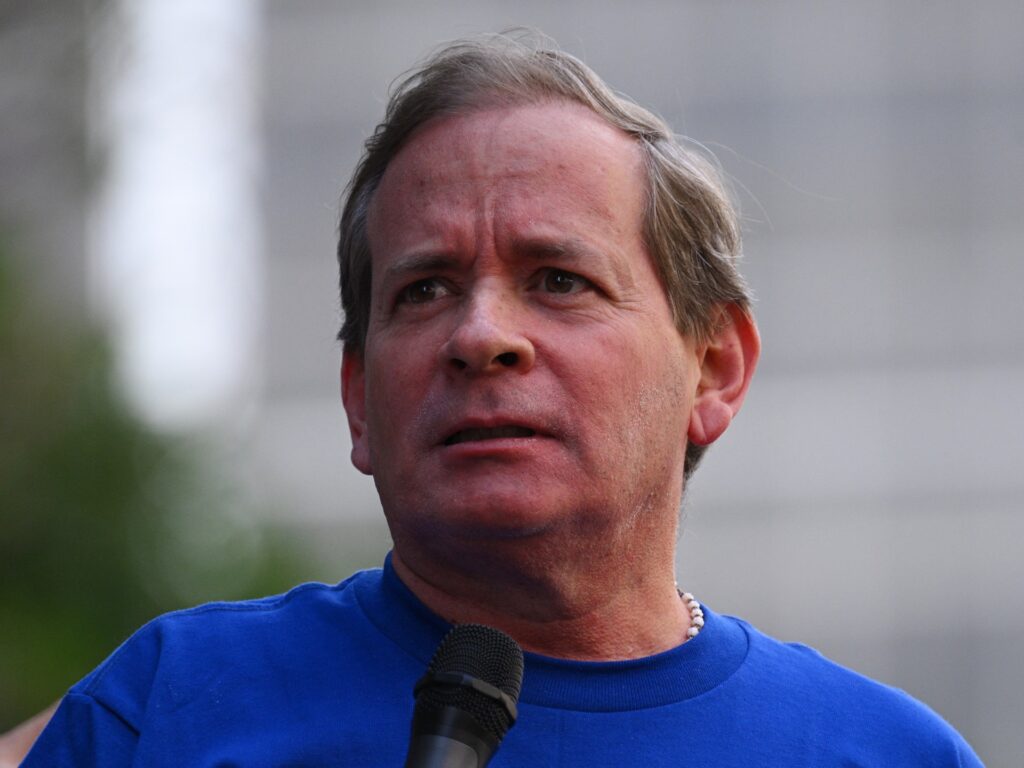
Juan Pablo Guanipa, a prominent opposition politician in Venezuela, has been released, sparking renewed discussion and cautious optimism about the country’s political future. Guanipa’s release is seen by many as a significant development within Venezuela’s ongoing political turmoil, where opposition figures often face detention and legal challenges.
Guanipa’s release comes after a period of detention that highlighted the tense and polarized political climate in Venezuela. It has been met with widespread attention both domestically and internationally, as observers watch closely to see if this event might signal a shift toward dialogue and potential reconciliation between the government and opposition forces.
An ally of opposition leader Maria Corina Machado, who has been vocal in calling for democratic reforms in Venezuela, commented on the release stating, “There’s a lot to talk about regarding the present and future of Venezuela.” This statement underscores the complexity of the political situation and the opportunities that could arise from Guanipa’s freedom.
The political landscape in Venezuela has long been marked by challenges including economic hardship, humanitarian issues, and a government facing allegations of authoritarianism. Opposition leaders like Guanipa and Machado have faced significant repression, including arrests, exile threats, and political marginalization.
Guanipa’s release could open doors for important conversations about Venezuela’s direction, including the possibility of negotiations or new strategies for opposition engagement. His role as a key opposition figure means his voice will likely play a critical part in shaping upcoming political discussions.
Furthermore, the timing of Guanipa’s release is notable as Venezuela is experiencing pressure for reforms amid economic and social crises. International actors have called for inclusive dialogue to resolve long-standing conflicts and to prepare the country for future democratic processes.
The statement from Machado’s ally suggests a willingness among some opposition factions to engage constructively with the current political realities. Such engagement may focus on addressing electoral integrity, human rights, and social justice issues that have contributed to Venezuela’s instability.
However, skepticism remains regarding the government’s intentions and the sustainability of any potential dialogue. Past experiences have shown that opposition achievements can be quickly undermined by political repression or lack of genuine governmental commitment.
Despite these uncertainties, Guanipa’s release has injected a degree of hope for those advocating for democratic renewal and political pluralism in Venezuela. It symbolizes a possible turning point where opposition leaders might regain a platform to participate more actively in shaping the country’s future.
Venezuela’s citizens, exhausted by years of crisis, look to these developments with cautious hope. Whether Guanipa’s release will lead to tangible political progress depends on the willingness of all parties to engage in meaningful dialogue and the international community’s role in supporting democratic principles.
In conclusion, the release of opposition politician Juan Pablo Guanipa represents a pivotal moment that could influence Venezuela’s path forward. With allies ready to discuss the present and future of the nation, the coming months will be crucial in determining whether this event serves as a stepping stone toward reconciliation and reform or remains a fleeting moment in the country’s ongoing political struggles.