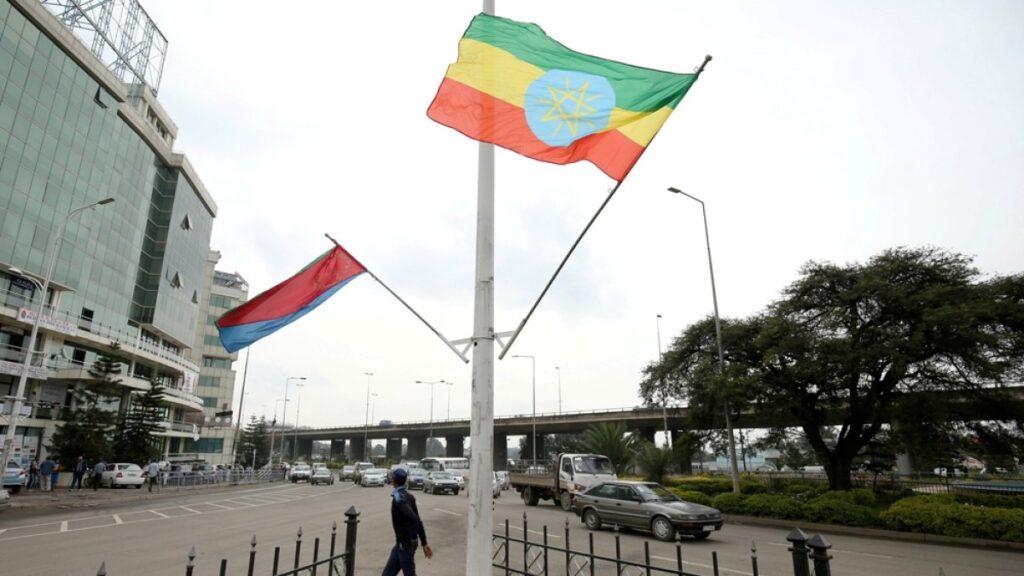
In a significant escalation of tensions between Ethiopia and Eritrea, the Ethiopian government has issued a stern demand for Eritrean troops to immediately withdraw from Ethiopian territory. This move follows increasing accusations from Addis Ababa that Eritrea has been supporting rebel fighters operating within Ethiopia’s borders.
The relationship between Ethiopia and Eritrea has been complex, marked by periods of conflict and cooperation. However, recent developments have reignited old hostilities. Ethiopian officials assert that Eritrean forces have crossed into Ethiopian soil and are actively assisting rebel groups destabilizing the region.
Addis Ababa’s accusations come amid reports of escalating violence in certain Ethiopian regions, where rebel movements have intensified their activities. The Ethiopian government holds Eritrea responsible not only for the presence of foreign troops but also for enabling insurgent groups to carry out attacks that threaten national security.
Eritrea, on the other hand, has not officially acknowledged the presence of its troops in Ethiopia nor the support to rebel factions. The Eritrean government has historically maintained a cautious stance, often rejecting allegations of interference in Ethiopia’s internal affairs.
Experts note that the renewed tension risks reversing the fragile peace and cooperation that both nations had been building after the landmark peace agreement signed in 2018, which ended a two-decade-long border conflict between the neighbors.
The international community has expressed concern over the rising conflict, emphasizing the need for dialogue and peaceful resolution. The African Union and the United Nations have called for restraint from both sides to prevent further escalation that could destabilize the broader Horn of Africa region.
As the situation develops, the demand by Ethiopia for Eritrea to pull out its troops is seen as a critical juncture. Analysts suggest that without swift diplomatic intervention, the conflict could deepen, impacting not only bilateral relations but also regional stability and security.
Meanwhile, humanitarian organizations warn that increased hostilities could exacerbate the plight of civilians caught in conflict zones, resulting in more displacement and hardships.
The Ethiopian government is expected to continue pressing its demands at international forums, seeking broader support to compel Eritrea to comply. Diplomatic efforts are underway, but the pathway to de-escalation remains uncertain as both countries navigate this complex and sensitive dispute.
This development highlights the fragile nature of peace efforts in the Horn of Africa and underscores the importance of sustained diplomatic engagement to address underlying issues driving the conflict. The coming weeks will be critical in determining whether dialogue can prevail or if tensions will spiral into further conflict.