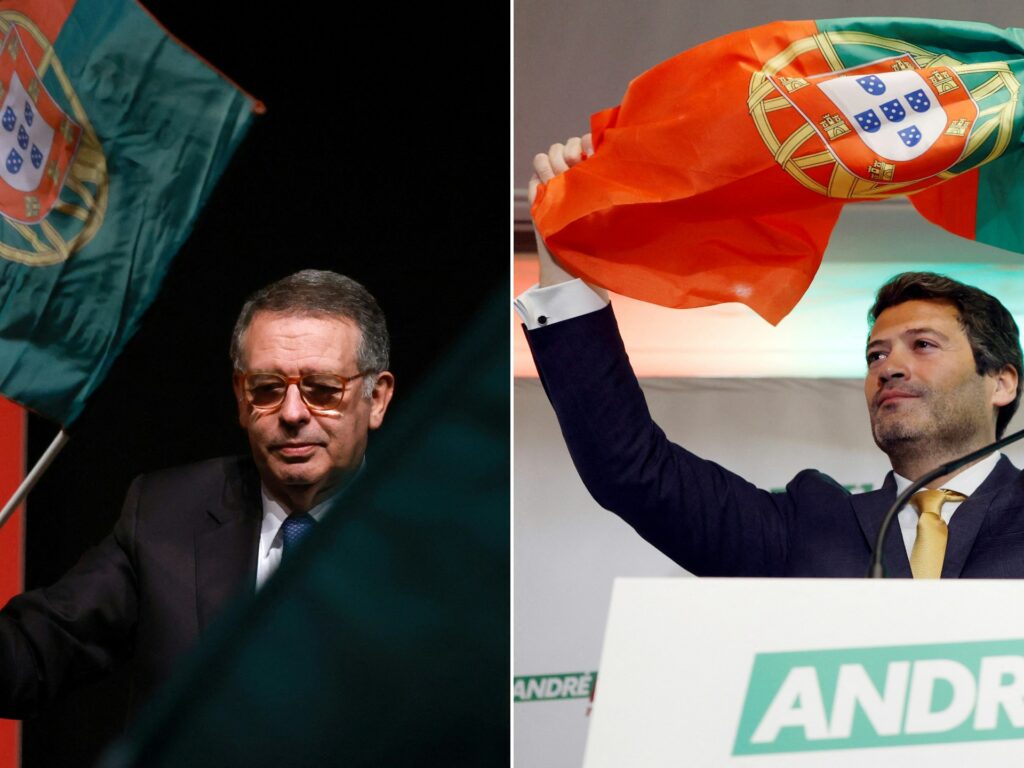
Portugal is currently witnessing a significant political event as it holds its first presidential run-off in four decades. The election marks a pivotal moment for the nation’s political landscape, drawing intense attention from both local and international observers.
This run-off comes after the initial round failed to produce a candidate with an outright majority, leading voters to choose between the top two contenders. The stakes are high, with the outcome expected to influence Portugal’s direction in the coming years.
One of the key aspects gaining heightened scrutiny is the performance of the far-right candidate. In recent years, there has been a global surge in far-right political movements, and Portugal is no exception. Analysts and citizens alike are keenly watching how this faction fares in the run-off, as it could signal shifts in public sentiment and future policy directions.
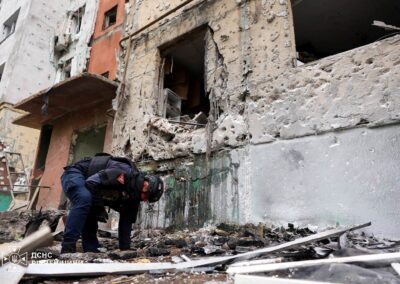
Adding to the gravity of the election day is the impact of severe weather conditions sweeping across the country. Heavy storms have been battering Portugal, posing logistical challenges and potentially affecting voter turnout. Authorities have been working diligently to ensure polling stations remain accessible and safe for all voters despite the adverse conditions.
Election officials have emphasized their commitment to maintaining the integrity and transparency of the voting process. Measures have been taken to mitigate the effects of the storm, including extended hours at polling stations and additional support facilities for voters in affected areas.
Citizens have expressed mixed feelings about heading to the polls under such inclement weather. However, many recognize the importance of their participation, understanding that the presidential election could significantly shape national policy, international relations, and social cohesion.
Political analysts suggest that the outcome of this run-off will not only determine Portugal’s presidency but also reflect broader trends within European politics. The balance between progressive policies and conservative influence hangs in the balance, with the voting patterns offering insights into public priorities.
In the backdrop of these events, the storm itself symbolizes a metaphor for the tumultuous times Portugal faces. As the country navigates environmental challenges and political uncertainty, the electorate’s decision tomorrow will be pivotal.
This election stands out as a historic moment, marking the first time in 40 years that Portuguese voters engage in a run-off to select their president. It underscores the dynamic nature of democracy and the continuous evolution of political processes in response to societal changes.
Observers from across the world are monitoring the situation closely, eager to see how Portugal balances the challenges of severe weather and political fervor. The results are expected soon, potentially reshaping the trajectory of the nation.
In sum, Portugal’s presidential run-off election is a critical juncture, encompassing political, social, and environmental dimensions. The far-right’s performance, voter turnout amidst storms, and the final outcome will collectively define this historic moment in Portuguese democracy.