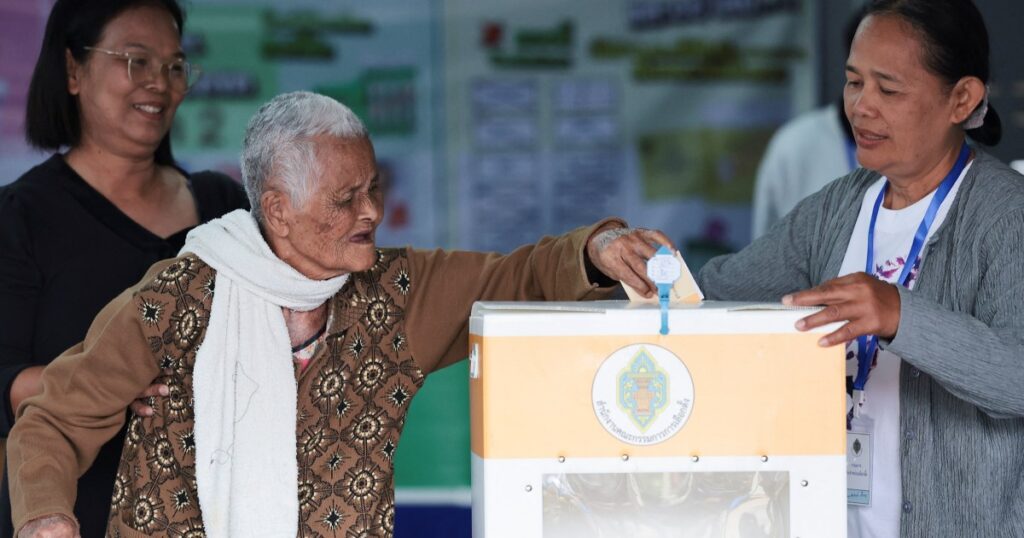
Thailand held a significant parliamentary election on Sunday, with no single political party expected to win a clear majority. This outcome has heightened concerns about the potential for political instability in the country. The election was marked by intense competition between reformist groups pushing for change and conservative forces aiming to maintain the status quo. Analysts note that the fragmented results could lead to a complex coalition-building process, putting pressure on political leaders to find common ground. Historically, Thailand’s political landscape has been divided, and the current vote underscores ongoing tensions between progressive reform agendas and traditional conservative policies. The reformists are advocating for greater democracy, transparency, and social reforms, appealing largely to younger voters and urban populations. Meanwhile, conservative parties emphasize stability, economic growth, and preserving cultural values, drawing support from rural and older demographics. Observers warn that the inability of any party to secure a decisive mandate may trigger a period of negotiation and uncertainty, potentially affecting governance and policy implementation. The election results also reflect broader societal divides, with varying regional preferences shaping the outcome. Media coverage highlighted the high voter turnout, demonstrating public engagement despite the uncertainties. International observers closely monitored the vote, recognizing Thailand’s importance in the Southeast Asian political landscape. Political analysts suggest that the next weeks will be crucial in determining how alliances are formed and which political factions will hold influence. The government formation process is expected to be closely watched, as it will signal the direction of Thailand’s domestic and foreign policy. Some experts caution that prolonged political deadlock could lead to instability, while others believe compromise is possible. The election is a pivotal moment for Thailand as it grapples with demands for reform and the desire for continuity. Civil society groups have called for peaceful cooperation among the elected representatives to ensure stability. The public’s message through this election indicates a desire for change, but also an acknowledgment of the complexity of Thailand’s political environment. The outcome will likely shape the nation’s trajectory for the coming years, impacting economic policies, social programs, and international relations. Political commentators underscore the importance of dialogue and effective leadership in navigating this challenging period. Overall, Sunday’s vote reflects a crucial juncture for Thailand, where reformists and conservatives are vying for power amid an uncertain future.