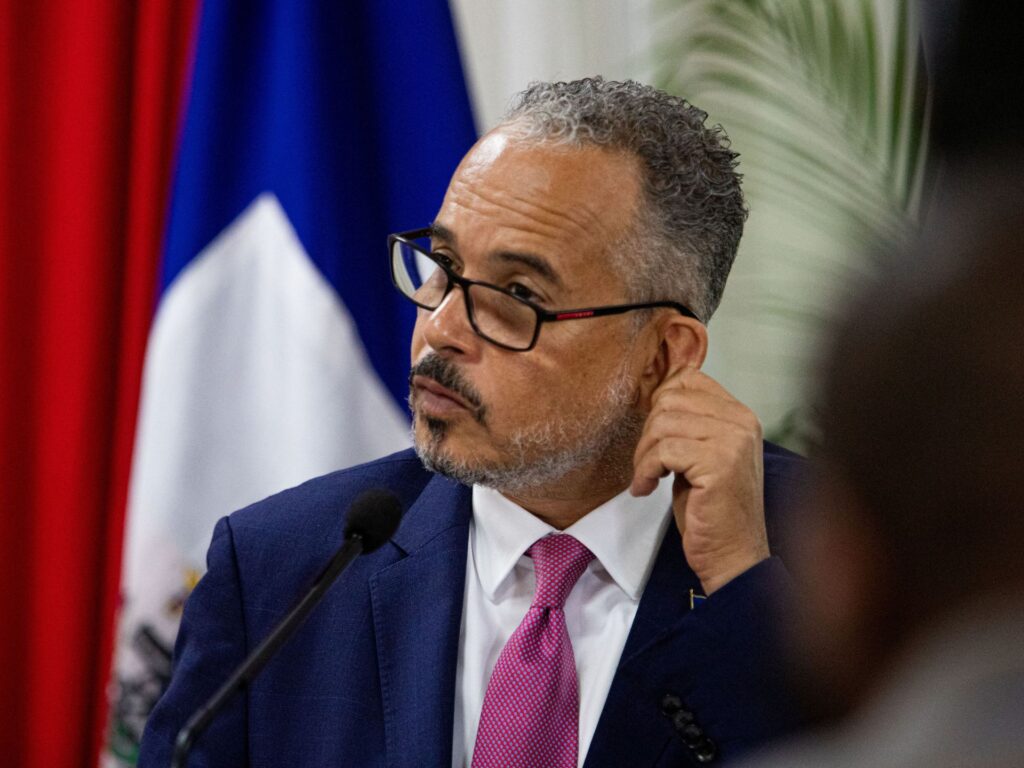
In a significant development in Haiti’s ongoing political crisis, the country’s transitional council has formally handed power to the US-backed Prime Minister, a move that follows a contentious period marked by attempts to oust the incumbent Premier, Ariel Henry Fils-Aime. This transition arrives amidst heightened tensions both within Haiti and on the international stage, further complicated by the recent deployment of a US warship to waters near Haiti’s capital, Port-au-Prince.
The transitional council, established to govern Haiti during this unstable period, had faced internal discord and external pressure. In recent weeks, there was an attempted coup within the council aimed at removing Prime Minister Fils-Aime. However, the council ultimately decided to affirm the Prime Minister’s authority, signaling a consolidation of power that aligns with US interests.
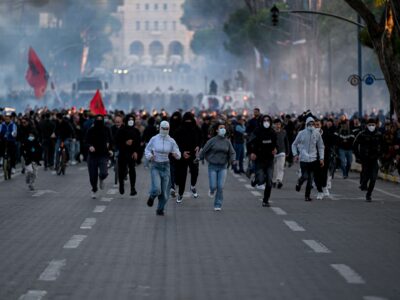
Haiti has been grappling with political instability exacerbated by widespread violence, economic hardships, and the aftermath of natural disasters. The political vacuum following the assassination of President Jovenel Moïse in July 2021 has led to competing factions vying for control, creating a complex environment for governance.
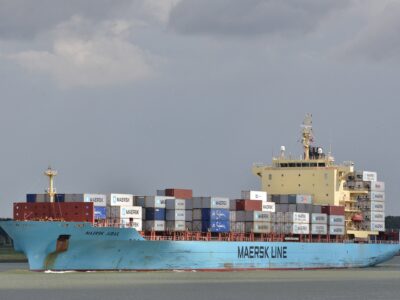
The US government’s involvement in Haiti has been a subject of controversy, with critics arguing that American influence in Haitian affairs could undermine the country’s sovereignty. The deployment of the US warship is seen by many as a demonstration of military presence intended to support the installed Prime Minister and safeguard American interests in the region.
Proponents of the US-backed government argue that this support is crucial for restoring stability and combating the rampant gang violence that has plagued the nation. The transitional council’s endorsement of Fils-Aime is expected to bring a measure of continuity and potentially open pathways for international aid and economic recovery.
Nevertheless, opposition groups remain skeptical about the legitimacy of the transitional government and the role of foreign powers in Haiti’s internal affairs. There are growing calls for inclusive dialogue that involves all political factions and civil society to foster genuine democratic governance.
As Haiti navigates this precarious political landscape, the international community watches closely. The evolving situation underscores the complex interplay of domestic actors and foreign interests in shaping the country’s future.
In summary, Haiti’s transitional council’s decision to hand power to the US-backed Prime Minister marks a pivotal moment in the nation’s tumultuous political saga. It reflects ongoing struggles between sovereignty, external influence, and the urgent need for stability and unity amid crisis. The coming weeks will likely be critical in determining whether Haiti can move towards peaceful governance or descend further into chaos.