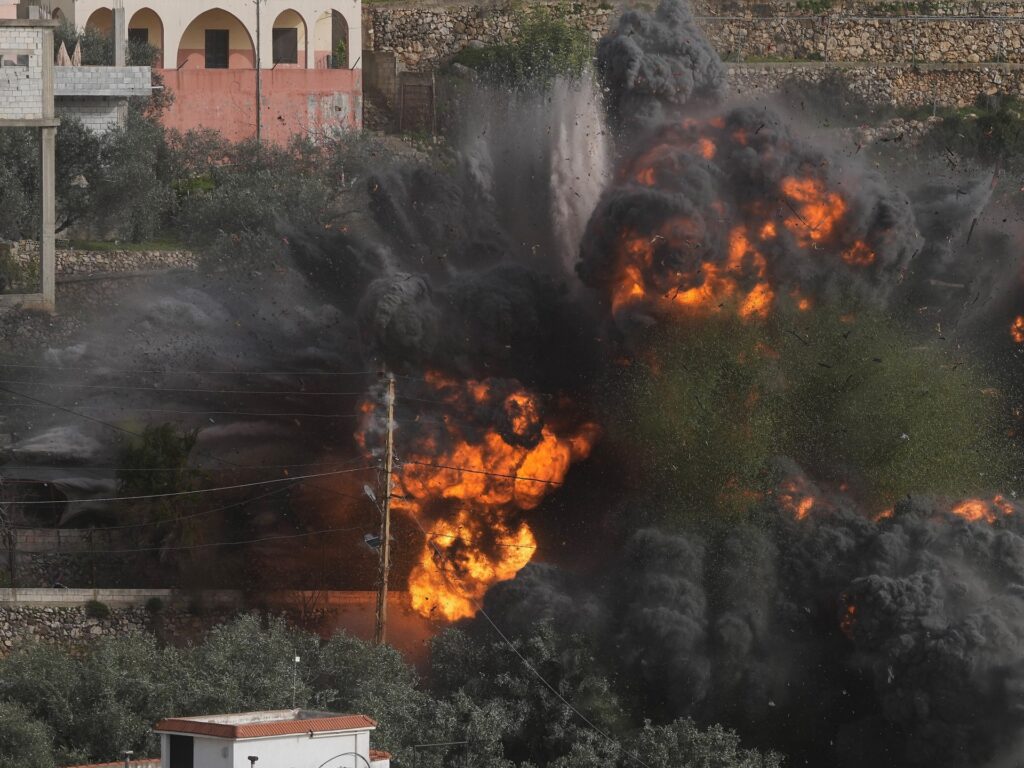
In a significant escalation of hostilities, Israeli warplanes conducted more than 50 air raids on Lebanon last month, marking the highest level of such attacks since the ceasefire was established. The surge in Israeli air strikes represents a sharp rise in military activity and has raised tensions in an already volatile region.
According to reports from refugee and humanitarian organizations operating in Lebanon, the increasing frequency and intensity of the air raids have had severe impacts on civilian populations. These groups highlight the growing humanitarian concerns, including displacement of families, damage to infrastructure, and heightened fears among local communities.
The raids targeted various locations in southern Lebanon, a region that has historically been a flashpoint for conflicts between Israel and Lebanese factions, including Hezbollah. Israeli officials justify the attacks as necessary measures against militants and security threats purportedly originating from Lebanese territory.
This escalation follows a period of relative calm after a ceasefire agreement was reached, aimed at preventing further military engagements that have previously resulted in significant casualties and destruction.
The refugee NGO warns that such a sharp increase in military actions risks undermining fragile peace and stability in Lebanon. The group urges international actors and peace-keeping bodies to intervene and encourage restraint on both sides.
Lebanese authorities also express concern over the rising air raids, emphasizing the need for diplomatic efforts to de-escalate tensions and protect the sovereignty of Lebanon. Civil society groups within Lebanon echo these calls, emphasizing the devastating impact on ordinary citizens caught in the crossfire.
The international community watches closely, with many nations calling for renewed dialogue and adherence to peaceful resolutions to prevent a wider conflict in the region. As of now, there is no indication that the air attacks will cease, raising fears of a potential spiral into more intense hostilities.
The situation remains fluid, with ongoing monitoring by humanitarian and security organizations. The latest surge underscores the fragile nature of peace agreements and the persistent risks that political and militant disputes pose to regional security.
Overall, the reported increase in Israeli air raids on Lebanon last month is a troubling development that highlights the complex dynamics at play in Middle Eastern geopolitics. The humanitarian consequences and security challenges posed by these attacks call for urgent attention and action from the global community.