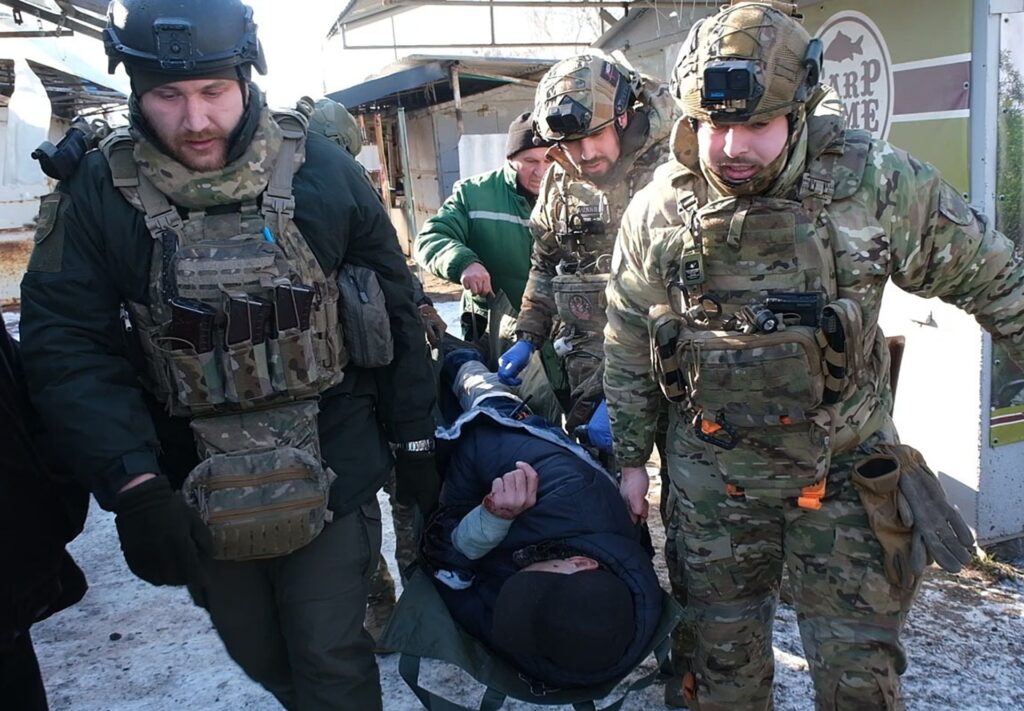
The conflict between Russia and Ukraine continues to dominate global headlines as intense fighting persists on the ground. Amidst this turmoil, a significant diplomatic development has emerged, with the United States announcing a planned exchange of 314 prisoners between the two nations. This announcement comes as Ukrainian and Russian negotiators engage in ongoing talks, brokered by the US, in the United Arab Emirates (UAE).
The prisoner exchange marks a hopeful step in the broader dialogue aimed at de-escalating tensions and exploring pathways to peace. According to officials, the agreement to swap 314 prisoners was reached fairly quickly, indicating a potential willingness on both sides to cooperate on humanitarian issues despite the broader conflict.
These negotiations in the UAE follow a ‘productive’ first day, suggesting that both Ukrainian and Russian representatives may be seeking a resolution, or at least a freeze in hostilities. The choice of the UAE as a venue underscores the international community’s increased involvement in resolving the crisis.
Since the invasion began, the conflict has resulted in significant casualties and displacement, drawing widespread condemnation and sanctions on Russia from Western nations. The US has played a pivotal role in supporting Ukraine through military aid and diplomatic efforts, aiming to balance pressure on Russia while facilitating dialogue.
The announcement of the prisoner exchange was welcomed by humanitarian groups, emphasizing the critical importance of addressing the plight of individuals caught in the crossfire of war. Families of those detained on both sides have expressed cautious optimism, hoping the exchange may pave the way for further negotiations.
While the fighting continues in several hotspots, the current talks represent a rare moment of constructive engagement. International observers remain watchful, as any progress in negotiations could lessen the violence and open avenues for more comprehensive peace talks.
The broader context includes fierce battles over territorial control, strategic cities, and resource-rich regions. Both Russia and Ukraine have blamed each other for ceasefire violations, complicating peace efforts. However, the presence of US-mediated dialogue signifies a mutual recognition of the devastating cost of prolonged conflict.
Opposition and support within both countries shape the political landscape, influencing the scope and tone of diplomatic initiatives. In Ukraine, the government faces pressure to secure safety and sovereignty, while in Russia, internal and external narratives about the conflict impact public perception.
The US continues to advocate for a resolution that respects Ukraine’s territorial integrity while addressing security concerns. The prisoner exchange and talks in the UAE could be stepping stones toward a broader agreement, potentially involving ceasefire arrangements and humanitarian relief.
Moving forward, the international community is poised to monitor the developments closely, ready to respond with diplomatic and humanitarian support as needed. The coming days will be critical in determining whether these negotiations can translate into tangible peace or simply remain a temporary respite amid ongoing hostilities.