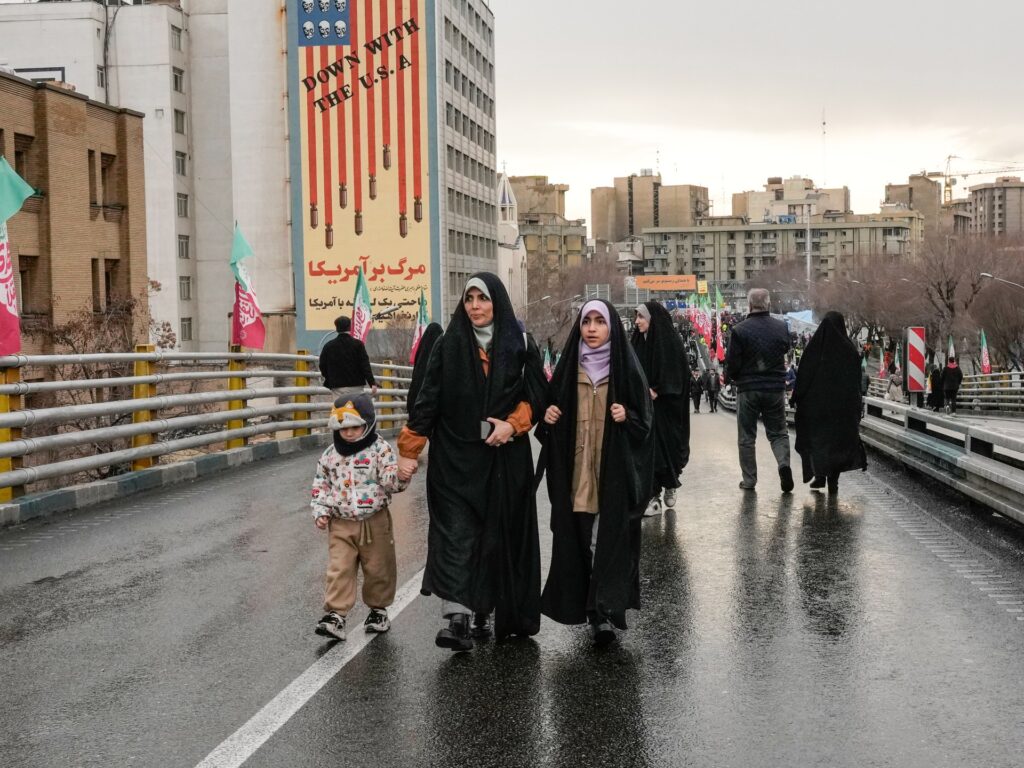
In a significant diplomatic move, the United States and Iran are scheduled to hold talks in Oman on Friday, marking a critical step towards mitigating escalating tensions. This scheduled meeting comes on the heels of a barrage of threats exchanged between the two nations, signaling a potential shift from confrontation to dialogue.
The decision to engage in direct talks reflects a shared urgency to address pressing issues that have strained relations, including nuclear activities, regional security concerns, and economic sanctions. Oman, known for its neutral stance and history as a mediator in Middle Eastern conflicts, provides a strategic and discreet venue for these sensitive discussions.
Details about the agenda remain closely guarded; however, it is expected that both sides will explore pathways to de-escalate hostilities and possibly resume broader negotiations that have stalled in recent years. Observers suggest that the talks could lay the groundwork for more comprehensive agreements or at least create a framework for continued engagement.
This development is pivotal as it demonstrates a mutual willingness to communicate despite previous hostilities, offering a glimmer of hope for improved relations. The international community watches closely, hopeful that the outcome of this meeting will contribute to regional stability, reduce the risk of conflict, and potentially pave the way for economic and diplomatic normalization.
The outcome of these talks will likely resonate far beyond the immediate participants, influencing geopolitical dynamics across the Middle East and impacting global markets responding to regional stability concerns. Both Iran and the United States face internal and external pressures, making this dialogue a delicate balancing act that could determine the future course of their relationship for years to come.