The United Nations has issued a stark warning about an impending humanitarian crisis in Cuba, highlighting the risks of a potential collapse due to severe shortages of essential resources. This alarming development comes amid escalating tensions involving the United States, which has threatened to impose punitive tariffs on any country that continues to supply oil to the Caribbean island nation.
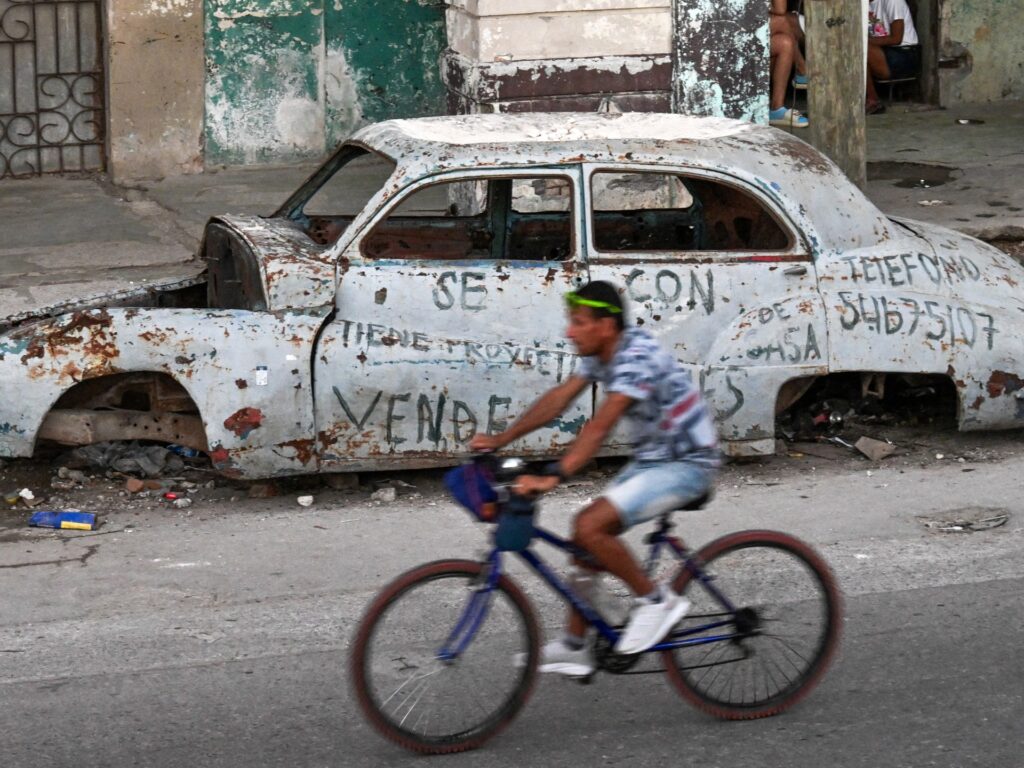
Cuba, already grappling with economic strain and shortages exacerbated by the COVID-19 pandemic and longstanding sanctions, now faces an acute energy crisis. The threat of disrupted oil supplies has cast a dark shadow over the country’s ability to maintain basic services such as electricity, transportation, and food production—critical sectors that directly affect the daily lives of Cuban citizens.
The US government has made it clear that it intends to enforce strict measures to cut off Cuba’s access to petroleum imports, aiming to pressure the Cuban government politically. This stance includes aggressive economic tactics targeting nations and companies that engage in oil trade with Cuba, essentially warning them of potential tariffs and sanctions.
UN officials have expressed deep concern that these policies could severely worsen the humanitarian situation. They stress that restricting energy supplies will likely lead to cascading failures across healthcare, food security, water purification, and public transportation systems, further imperiling vulnerable populations.
Humanitarian agencies operating in Cuba have reported increased difficulties in their efforts to deliver essential aid, with fuel shortages complicating logistics and limiting access to remote regions. Medical facilities warn of potential shutdowns or reductions in critical services such as hospitals and emergency transport.
International voices are calling for restraint and dialogue to avoid exacerbating the crisis. Experts underline the importance of safeguarding humanitarian considerations and ensuring that sanctions and trade restrictions do not disproportionately impact everyday Cubans.
The situation spotlights the broader geopolitical tensions between the United States and Cuba, rooted in decades of diplomatic and economic conflict. The current confrontational measures risk deepening the island nation’s isolation and intensifying the hardships faced by its people.
In response, the United Nations continues to advocate for humanitarian exemptions in trade policies and encourages multilateral engagement to find sustainable solutions that address both political concerns and human welfare.
As the crisis unfolds, the international community watches with increasing concern, hoping for de-escalation and constructive negotiations that prioritize the preservation of human dignity and prevent a full-scale humanitarian collapse in Cuba.