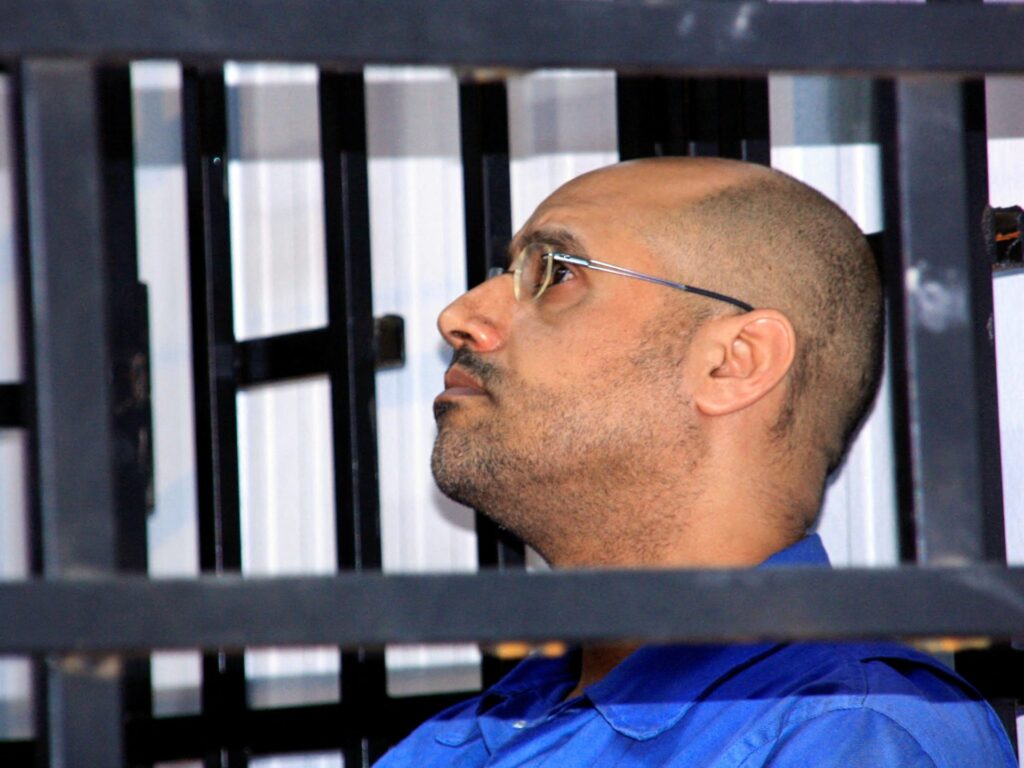
Libya’s top prosecutor has initiated a formal investigation into the killing of Saif al-Islam Gaddafi, as announced by the country’s attorney general’s office. This move marks a significant development in the case surrounding the son of the late dictator Muammar Gaddafi.
According to the statement from the attorney general’s office, forensic teams have been dispatched to examine the body of Saif al-Islam Gaddafi and to conduct a detailed investigation at the site of the shooting. The authorities are aiming to uncover the precise circumstances that led to his death.
Saif al-Islam Gaddafi was a prominent figure during his father’s regime and had been considered a potential political successor. After the fall of Muammar Gaddafi in 2011, Saif al-Islam remained a controversial figure, with varied reports on his whereabouts and status over the years.
The investigation will involve forensic experts who are tasked with collecting evidence from the scene and conducting autopsies to determine the cause and manner of death. This forensic analysis will be crucial in piecing together events and holding accountable those responsible if foul play is established.
The Libyan attorney general’s office has pledged to conduct a thorough and transparent inquiry, emphasizing the importance of justice and the rule of law in a country still recovering from years of conflict and political instability.
The death of Saif al-Islam Gaddafi has significant political implications for Libya, where different factions continue to vie for control and influence. Investigating his killing is essential not only for legal reasons but also for national reconciliation and political stability.
International observers and human rights organizations have expressed interest in the investigation, urging Libyan authorities to ensure that the probe meets international standards and that any findings are made public.
This investigation could also have wider regional implications, potentially affecting Libya’s relations with neighboring countries and international partners concerned about the rule of law and human rights.
As the inquiry progresses, the Libyan prosecutor’s office may request cooperation from various security and intelligence agencies. The results of the forensic examinations and any subsequent legal proceedings will be closely monitored by the international community.
The developments underscore the ongoing challenges Libya faces in rebuilding its institutions and achieving lasting peace. The death of a high-profile figure like Saif al-Islam Gaddafi highlights the volatile political landscape and the complexities of the country’s transitional justice processes.
Analysts note that the investigation’s outcome could influence upcoming political dynamics and elections in Libya, potentially reshaping the balance of power among competing groups.
In conclusion, the launch of the probe into Saif al-Islam Gaddafi’s killing represents an important step towards accountability and the establishment of a legal framework in Libya. The hope is that this investigation will bring clarity to the circumstances surrounding his death and contribute to the broader efforts of stabilizing and unifying the country.