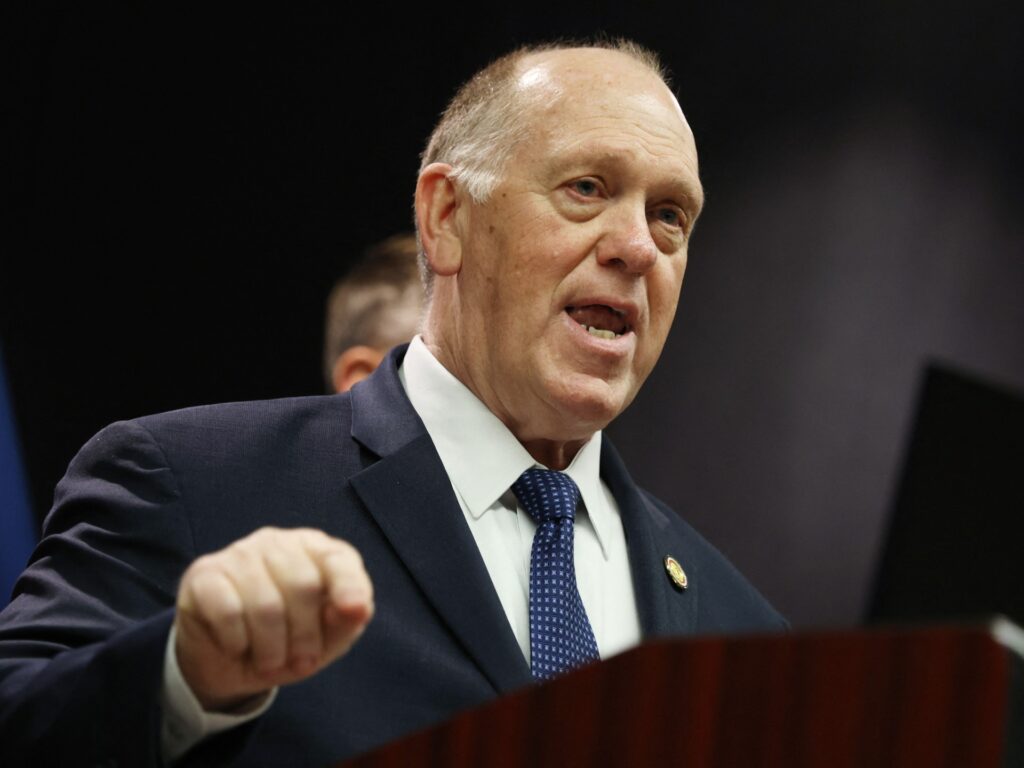
In a significant development concerning immigration enforcement in Minnesota, the US border security chief, Tom Homan, has announced the withdrawal of 700 immigration agents from the state. This decision marks a notable shift in the federal approach to immigration enforcement in the region.
Tom Homan cited increased cooperation with local authorities as the primary reason behind this strategic move. According to Homan, enhanced collaboration with state and local law enforcement agencies has allowed for more effective management of immigration-related issues, enabling the federal government to redistribute resources efficiently.
Despite the withdrawal of such a substantial number of agents, Homan assured that immigration enforcement operations would not cease. Instead, the efforts would continue through coordinated practices involving local authorities. The focus remains on maintaining border security while also optimizing manpower and resources.
This action reflects a broader trend in immigration policy, where federal agencies are increasingly relying on partnerships with local jurisdictions to manage enforcement activities. By leveraging local knowledge and resources, the approach aims to be more targeted and responsive to specific community needs.
The 700 agents’ withdrawal is expected to have various implications. For one, it could signal a de-escalation of federal presence in Minnesota, potentially reducing tensions between federal authorities and local communities concerned about immigration enforcement practices.
Local law enforcement agencies have generally welcomed the increased cooperation, emphasizing a shared commitment to public safety and orderly immigration processes. These partnerships are seen as essential to balancing enforcement with humanitarian concerns.
However, some observers and immigration advocates remain cautious. They stress the importance of ensuring that local agencies have sufficient training and resources to handle immigration enforcement without compromising civil rights or community trust.
The announcement also raises questions about how federal immigration priorities will evolve nationwide. The Minnesota case could serve as a model for other states, demonstrating how federal and local authorities can collaborate effectively in immigration enforcement.
Critics of the policy change argue that withdrawing agents might lead to gaps in border security or enforcement consistency. Nonetheless, supporters believe that this cooperative approach fosters a more sustainable and community-sensitive enforcement framework.
In conclusion, the withdrawal of 700 immigration agents from Minnesota by US border security chief Tom Homan underscores a strategic shift towards enhanced local cooperation in immigration enforcement. While federal operations will continue, the emphasis on partnership with local authorities highlights a nuanced approach aimed at balancing security, resource allocation, and community relations. This move will likely influence future immigration enforcement policies and practices both in Minnesota and potentially across the United States.