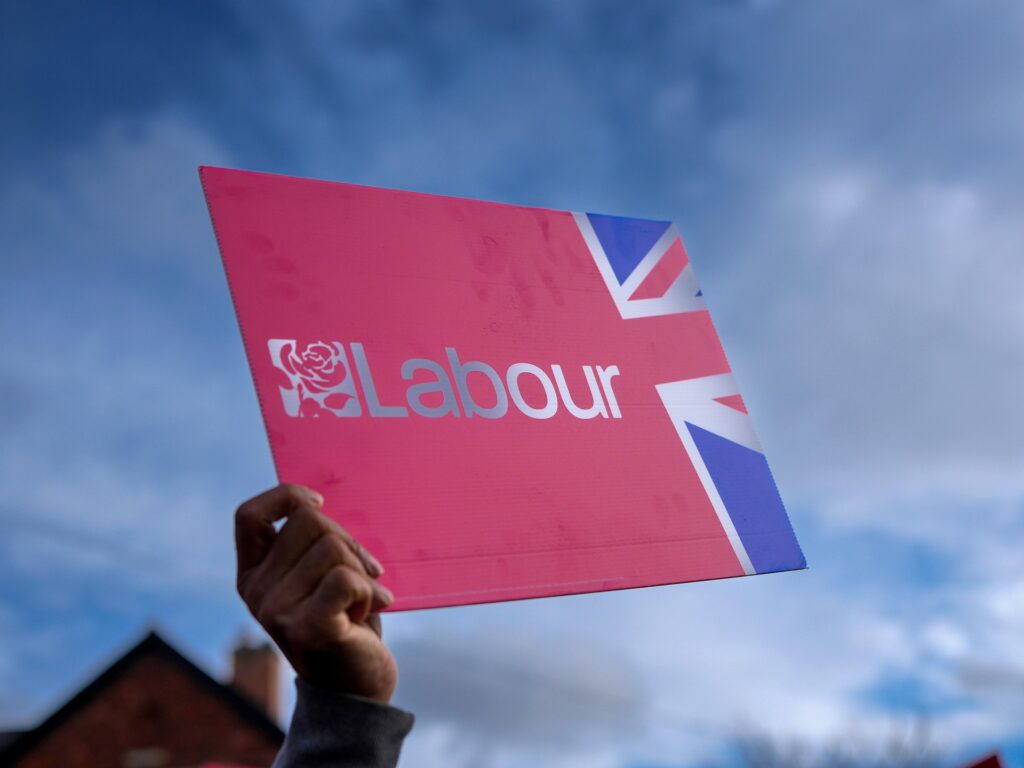
The upcoming by-election in Gorton and Denton is set to be a crucial test for the Labour Party’s continued dominance in Greater Manchester, a region traditionally considered a Labour stronghold. Internal party rifts and the rising support for smaller parties are creating new challenges that could reshape the local political landscape.
Labour has historically enjoyed broad support across Greater Manchester, with many of the area’s constituencies considered safe seats. However, recent internal disputes within the local Labour organizations have stirred concerns about the party’s cohesion and its ability to effectively represent and address the concerns of heartland voters.
These fissures within Labour are compounded by a notable increase in voter interest and backing for smaller political parties. This fragmentation of the vote could erode Labour’s traditional base, opening opportunities for other parties to gain ground in a region where Labour has long been dominant.
The by-election will gauge the extent of Labour’s hold over these pivotal constituencies and whether the party can unify its ranks to reaffirm its authority. This election carries significant weight, not just for the immediate political representation but also as an indicator of Labour’s broader standing and electoral prospects in the region.
Moreover, the growing appetite among voters for alternative political platforms reflects a broader shift in the political dynamics nationwide, where dissatisfaction with the major parties is prompting explorations of new political voices.
The outcome of this by-election will thus be closely watched by political analysts and party strategists alike, as it might signal a turning point in the political allegiance of Greater Manchester’s electorate.
In conclusion, Gorton and Denton’s by-election serves as more than just a routine political event; it is a critical battleground that tests Labour’s enduring connection with its core supporters amid emerging internal and external political challenges.