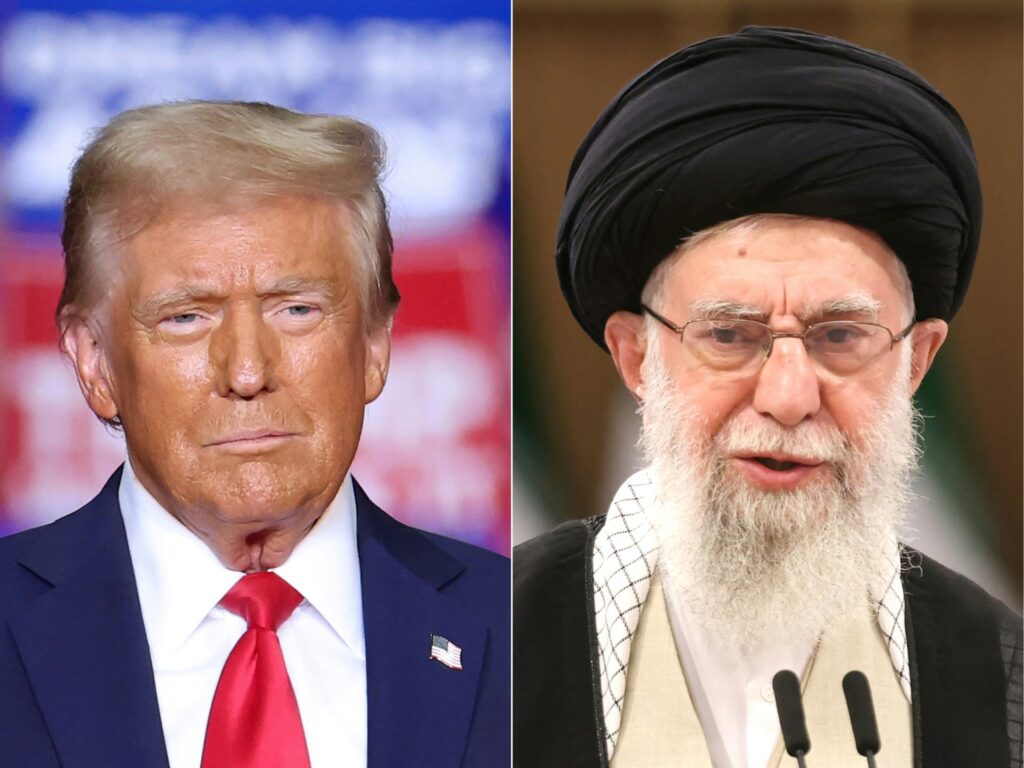
The possibility of US-Iran diplomacy has taken center stage amid ongoing regional tensions and shifting political landscapes. Recent developments suggest a narrow but critical window for dialogue between the two nations, which could potentially lead to a de-escalation of conflicts and improved regional stability.
Iran has expressed a willingness to engage in talks with the United States, emphasizing the need to first stabilize bilateral relations before inviting other regional countries to participate in the dialogue process. This approach highlights Iran’s cautious strategy to ensure that foundational issues between Tehran and Washington are addressed directly and constructively.
The backdrop to these diplomatic overtures is complex. Iran’s desire for talks comes amid increased international pressure and economic challenges resulting from sanctions and political isolation. Tehran views dialogue as a pathway to easing economic hardships and gaining more strategic leverage.
On the US side, the mixed messages, especially during the Trump administration, have complicated diplomatic efforts. While some signals indicate openness to discussions, others reflect skepticism and continued pressure tactics, creating uncertainty about the US’s true intentions.
Experts note that successful diplomacy requires clear communication, mutual respect, and a willingness to compromise from both sides. For the US and Iran, this means navigating a landscape marked by mutual distrust and decades of conflict history.
Regional dynamics add another layer of complexity. Neighboring countries have vested interests in the outcome of US-Iran relations, and their involvement could either help broaden the scope of peace or exacerbate existing tensions, depending on how negotiations unfold.
Diplomatic channels have seen intermittent engagement through backdoor meetings, special envoys, and international intermediaries. These efforts aim to build trust and set the stage for formal negotiations.
However, challenges remain significant. Issues such as Iran’s nuclear program, missile capabilities, human rights concerns, and support for proxy groups in the region are major sticking points that require thoughtful and patient negotiation.
The international community, including the European Union and United Nations, encourages dialogue, emphasizing that war and conflict serve no one’s interests and that diplomacy is the best path forward.
Looking ahead, political changes in Washington following the Trump era could open new avenues for negotiation, with fresh leadership potentially adopting different strategies.
For Iran, engaging in talks not only serves immediate economic and security needs but also helps project an image of a responsible regional actor willing to engage constructively.
In conclusion, while the road to successful US-Iran diplomacy is fraught with challenges, the current window of opportunity holds promise. Both sides must prioritize direct communication, address core issues pragmatically, and carefully manage regional stakeholders’ involvement to achieve lasting stability.
As the world watches closely, the potential for diplomacy to resolve one of the Middle East’s most persistent conflicts remains a beacon of hope for peace and cooperation.