The destruction of Gaza’s health system has been described as deliberate and methodical, particularly in the context of ongoing conflicts and military actions by Israel. Despite intermittent ceasefires, the health sector in Gaza continues to face relentless challenges, severely affecting its capacity to provide adequate care to its population.
Gaza has long been under blockade, which restricts the entry of medical supplies, equipment, and even personnel. This blockade has contributed significantly to the crippling of the health infrastructure. Hospitals and clinics struggle with shortages of essential medicines, surgical supplies, and medical devices, making routine medical care difficult and emergency responses even more complicated.
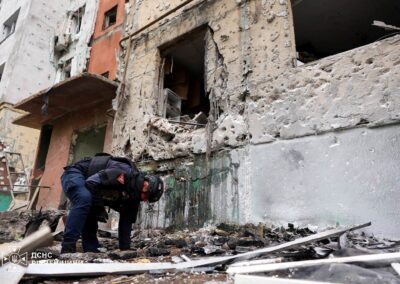
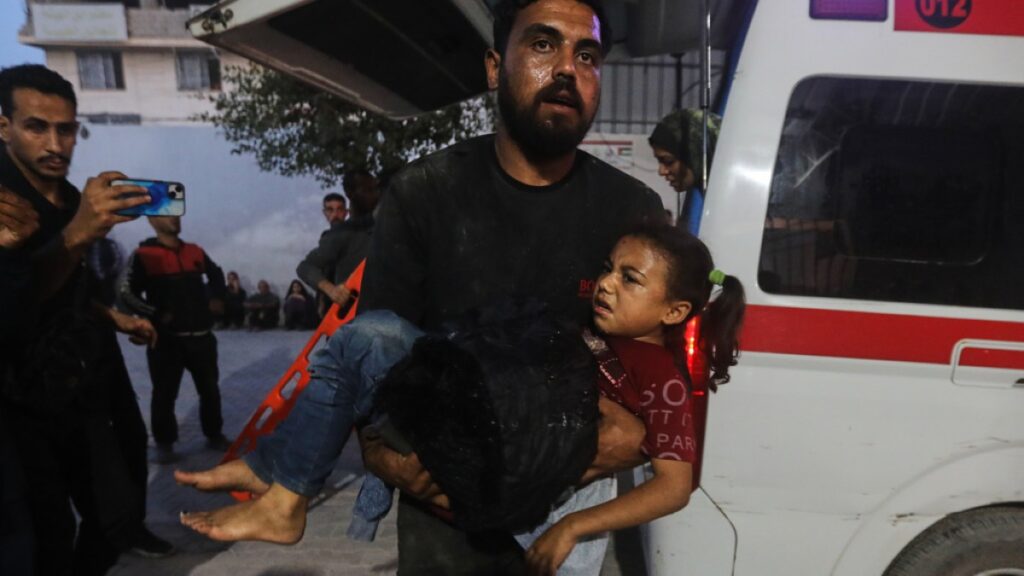
Targeted bombings and airstrikes have repeatedly destroyed medical facilities, ambulances, and infrastructure, worsening the humanitarian crisis. These attacks have not only caused physical destruction but have also led to the displacement of healthcare workers and patients, further destabilizing the system.
The health sector’s vulnerability is exacerbated by the scarcity of fuel necessary to operate generators, critical for powering hospitals during frequent electricity outages. This lack of reliable power jeopardizes continuous medical services, including life-saving surgeries, neonatal care, and treatment of chronic diseases.
International humanitarian organizations have documented the ongoing deterioration and have called for immediate actions to protect medical facilities and staff. They emphasize that even during periods labeled as ceasefires, the blockade and restrictions continue to choke the flow of necessary medical aid.
The psychological toll on health workers, who are often working under extreme stress and in dangerous conditions, is profound. Healthcare professionals face long hours, insufficient resources, and a constant threat to their lives, which questions the sustainability of the health care provision in Gaza.
Patients in Gaza are also subjected to the indirect consequences of the health system’s collapse. Many are forced to seek treatment outside the Strip, which is complicated by travel restrictions. The delay or denial of permits for patients needing urgent care abroad often leads to preventable deaths.
Furthermore, the ongoing conflict has amplified the spread of diseases, including those preventable under normal circumstances. The lack of clean water and sanitation facilities, alongside the overcrowding in shelters due to displacements, contribute to deteriorating public health conditions.
Efforts to rebuild and rehabilitate Gaza’s health system face enormous hurdles. Without lifting the blockade, allowing humanitarian aid and reconstruction materials to enter, and ensuring the protection of medical facilities, the health crisis in Gaza is likely to continue or even worsen.
The international community remains divided on the issue, with some calling for increased humanitarian access and protection of civilians, while others prioritize political and security concerns. However, consensus exists on the urgent need to address the humanitarian consequences affecting the health and wellbeing of Gaza’s population.
In conclusion, the systematic damage to Gaza’s health system by Israeli actions, compounded by the blockade and ongoing conflicts, has led to a health crisis characterized by shortages, destruction, and lack of equipment. Despite ceasefires, the situation shows little improvement, underscoring the necessity for sustained international intervention and a resolution to the broader conflict that respects human rights and the right to health for all in Gaza.