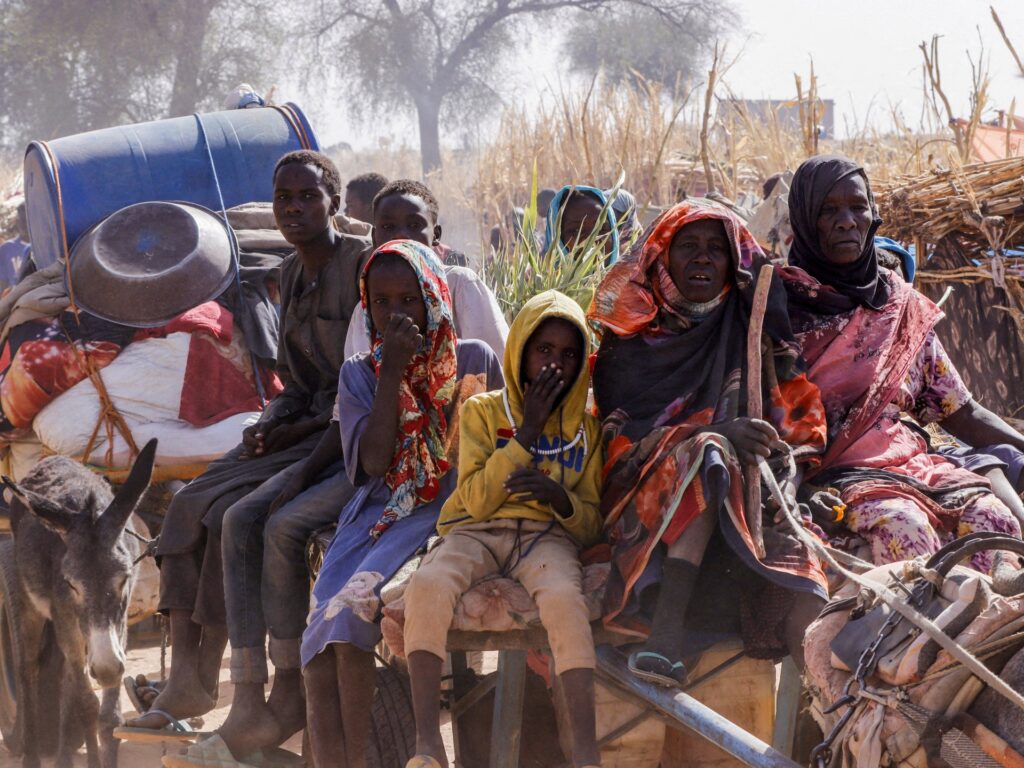
In the heart of Sudan’s war-torn region, Tawila, the plight of displaced families has become a harsh and distressing reality. These families, having fled the violence and devastation in el-Fasher, now face an unforgiving existence marked by extreme cold, hunger, and a dire lack of basic necessities.
Tawila has become a refuge for many who escaped the conflict in el-Fasher, but safety has come at a steep cost. The displaced population is grappling with severe shortages of food, leaving many to endure hunger. Malnutrition and starvation are looming threats as humanitarian aid struggles to meet the overwhelming demand.
Blankets and adequate clothing are in critically short supply, exposing displaced individuals—many of whom are children and the elderly—to the harsh cold of the region. Without proper protection, the risk of hypothermia and other cold-related illnesses has risen sharply.
Medical facilities in Tawila are overwhelmed and under-equipped. Basic medical supplies are scarce, hindering the ability to treat injuries and illnesses. The lack of healthcare contributes to the spread of diseases and increases mortality rates among the displaced population.
Living conditions in Tawila are grim. Overcrowded shelters, often makeshift and inadequate, offer little protection from the elements. Sanitation facilities are lacking, exacerbating health risks and complicating efforts to contain communicable diseases.
The psychological trauma experienced by these families cannot be overstated. Having fled violence and the destruction of their homes, many face an uncertain future with little hope for stability or a return to normalcy. Children are particularly vulnerable, with disrupted education and the constant threat of violence affecting their well-being.
Humanitarian organizations on the ground are working tirelessly to provide relief, but the scale of displacement and destruction has stretched resources thin. Access to affected areas remains challenging due to ongoing conflict and logistical barriers.
International attention and aid are crucial to alleviate the suffering in Tawila. Without concerted efforts to improve living conditions, provide food, medical care, and shelter, the situation risks further deterioration.
The story of Tawila is a stark reminder of the human cost of conflict. As displaced families endure the cold and hunger, the urgent need for comprehensive humanitarian response grows ever more critical. Their resilience in the face of adversity underscores the importance of global solidarity and sustained support to address the consequences of war in Sudan.