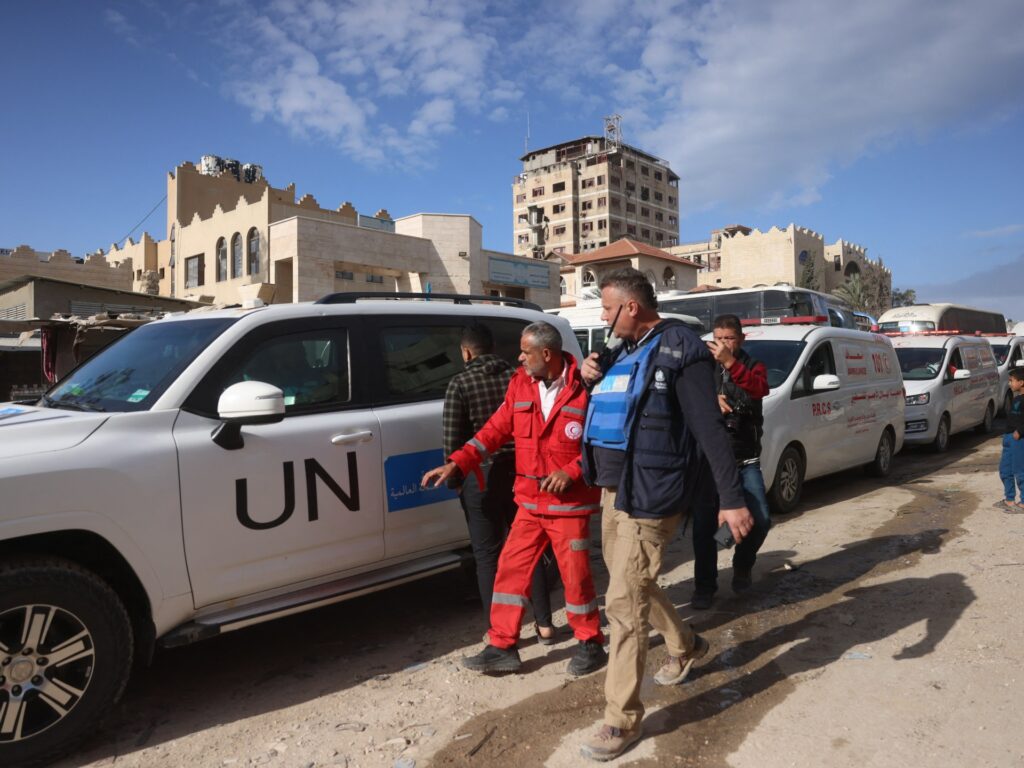
The United Nations Secretary-General has issued an urgent plea for increased humanitarian aid to the Gaza Strip, highlighting a critical crisis unfolding as Israel continues to block most medical evacuations at the Rafah border crossing. This blockade has drawn fierce concern from international health officials and human rights organizations, who warn of dire consequences if access to medical care remains restricted.
Al-Shifa Hospital, one of Gaza’s primary medical facilities, is at the heart of this emergency. The hospital’s director has stated that preventing patients from being evacuated via the Rafah crossing essentially acts as a “death sentence” for many critically ill individuals. The hospital is overwhelmed with patients injured in ongoing conflicts and those suffering from severe chronic conditions who require specialized treatment unavailable locally.
Rafah crossing, which connects Gaza to Egypt, is the primary exit and entry point for medical evacuation of Palestinians in critical need of care outside the territory. However, in recent weeks, Israel’s stringent security measures and restrictions have resulted in a drastic reduction in the number of patients permitted to cross. This has severely impeded the transfer of patients to hospitals elsewhere in the region equipped to provide necessary medical interventions.
The blockade exacerbates Gaza’s already fragile healthcare infrastructure, which has been severely damaged amid recent hostilities. Medical supplies are running critically low, staff are overworked, and the number of casualties continues to rise. The UN Secretary-General emphasized that unhindered access through Rafah is essential to save lives and reduce suffering.
International humanitarian organizations have called for immediate action to allow safe passage for all medical evacuations. They stress that the protection and care of sick and wounded civilians are obligations under international humanitarian law, which must be upheld even during conflict.
The humanitarian situation in Gaza remains precarious, with thousands of residents reliant on aid deliveries for food, water, and medical treatment. The ongoing blockade impedes not only evacuations but also the delivery of these vital resources, raising fears of a widespread health crisis.
In response to the UN’s appeal, several countries and non-governmental organizations are mobilizing resources to support medical facilities and provide emergency aid in Gaza. Nonetheless, experts warn that without a significant shift in policy at the Rafah crossing, many lives will remain at risk.
The UN chief’s call serves as a critical reminder of the urgent need for diplomacy, humanitarian access, and respect for human rights amidst the ongoing tensions in the region. The international community is urged to prioritize the health and dignity of Gaza’s residents by ensuring safe and timely medical evacuations and assistance.