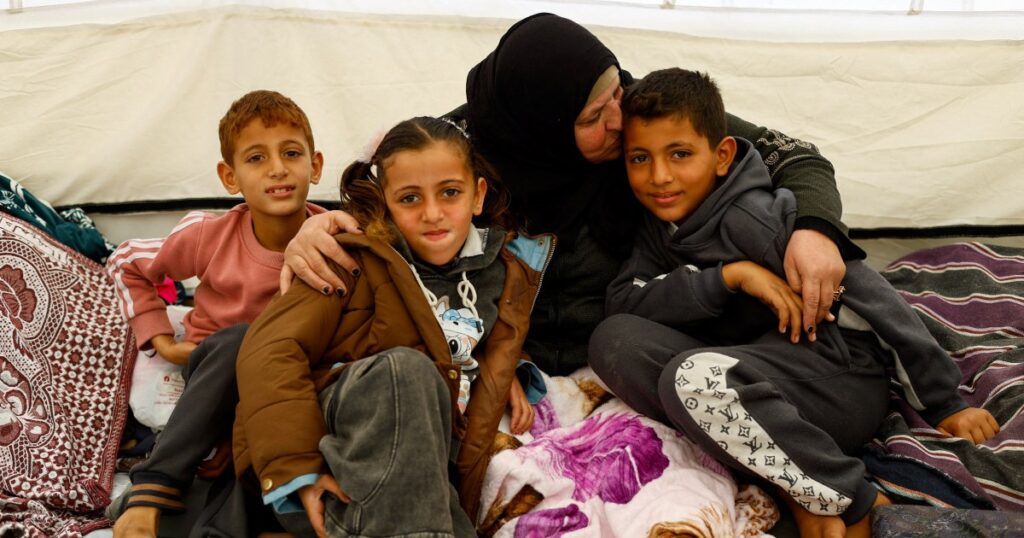
The reopening of the Rafah crossing between Gaza and Egypt, a critical exit point for Palestinians, has brought with it harrowing accounts from women who endured traumatic experiences under the Israeli military’s control. These voices shed light on the trials faced by civilians caught in one of the world’s most protracted conflicts.
Several Palestinian women who managed to cross through Rafah recently described their ordeal as a ‘journey of horror.’ With the crossing serving as a vital lifeline for Gaza’s 2.3 million residents, particularly during times of intensified conflict, the reopening came amid heightened tensions and military presence.
According to their testimonies, encounters with Israeli soldiers included harsh treatment, invasive searches, and emotional distress. Many reported being subjected to aggressive questioning and extended delays, which intensified their anxieties and compounded the already perilous conditions in Gaza.
One woman shared how her family was separated during the crossing, with Israeli military personnel detaining male relatives for hours without clear explanation, while she and her children were allowed to continue. Another described being pushed back and forth between border checkpoints, causing confusion and fear, especially for elderly family members.
These experiences highlight the broader humanitarian crisis in Gaza, where movement restrictions significantly impact access to medical care, education, and family reunifications. The trauma recounted at Rafah underlines the psychological and physical toll borne disproportionately by women and children.
Human rights organizations have criticized the treatment of Palestinians at border crossings, calling for measures that uphold dignity and protect vulnerable populations. The testimonies from Gaza’s women reaffirm the urgent need for international attention and diplomatic efforts to ease restrictions and ensure safe passage.
The reopening of the Rafah crossing remains a critical yet fraught development amid ongoing political and military conflicts. For many Gaza residents, it is not only a physical passage but an emotionally charged reminder of the hardships endured under siege and occupation.
This ‘journey of horror’ at Rafah symbolizes the broader struggle faced by Palestinians striving for normalcy and security amidst decades of instability. Their stories serve as a powerful plea for compassion, justice, and peace in a region yearning for a resolution to its persistent conflicts.