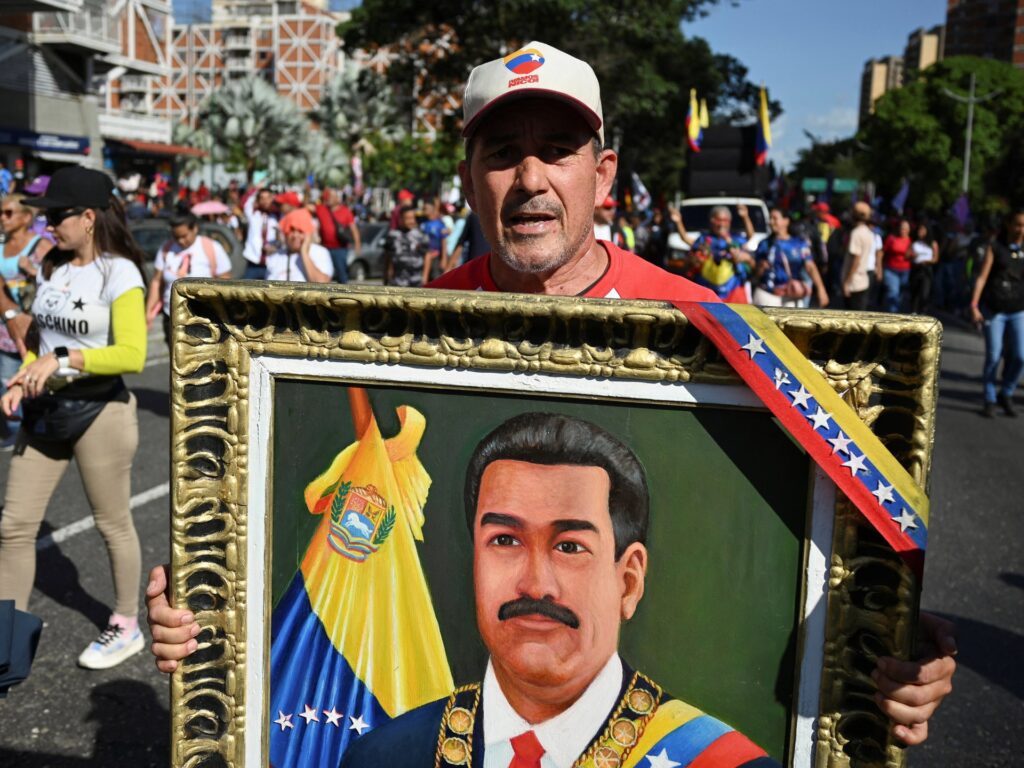
In a significant display of support, thousands of pro-Maduro protesters gathered in Venezuela to demand the release of President Nicolás Maduro and his wife, First Lady Cilia Flores, whom they allege have been ‘kidnapped’ by the United States. The demonstrations saw hundreds holding banners and placards with slogans calling on the US government to free the Venezuelan leaders.
The protesters’ message centers on allegations that the US has unjustly detained or is holding President Maduro and Cilia Flores against their will. Although official sources have not confirmed such detainment, the demonstrators firmly believe their leaders are subject to a political seizure abroad.
This march reflects the ongoing tensions between the Venezuelan government and the United States. The US has imposed numerous sanctions on Venezuela and its officials, accusing Maduro’s administration of corruption and undermining democratic institutions. However, Venezuelan citizens and government supporters often portray these actions as imperialist interference.
The demonstration was peaceful and organized by supporters loyal to Maduro’s administration, showcasing a united front in the face of international pressure. The banners prominently read messages like ‘Free Our President,’ ‘Stop US Kidnapping,’ and ‘Venezuela Stands United.’ The crowd’s energy was palpable, with chants and speeches emphasizing sovereignty and justice for the Venezuelan leaders.
Analysts suggest that these protests serve both to rally domestic support for Maduro and to signal to the international community the persistence of his regime despite external pressures. It is also seen as an effort to shape public opinion around the narrative that the US is engaging in unlawful actions against Venezuela’s sovereignty.
Public demonstrations such as this are part of a broader strategy by the Maduro government to consolidate power and counteract sanctions and diplomatic isolation. Supporters argue that Maduro remains the legitimate president who is battling foreign aggression aimed at destabilizing the country.
Critics, however, point to the economic crisis and shortages within Venezuela, attributing them to the government’s policies and mismanagement. They argue that international sanctions are a response to ongoing human rights violations and suppression of political opposition.
Despite the polarizing views, the recent march underscores the deep divisions within Venezuelan society and the contentious nature of its relations with the United States. The ongoing saga highlights the complexities of geopolitical conflicts in the region and the powerful symbolism that leaders like Maduro and Flores hold for their supporters.
As the situation develops, observers will be watching for responses from both the US government and international bodies regarding the protesters’ demands. Meanwhile, the Venezuelan public remains engaged and vocal in their calls for justice and sovereignty.
This event serves as a reminder of the broader struggles Venezuela faces on the international stage and the passionate commitment of its people to their leaders, regardless of external narratives or pressures.